
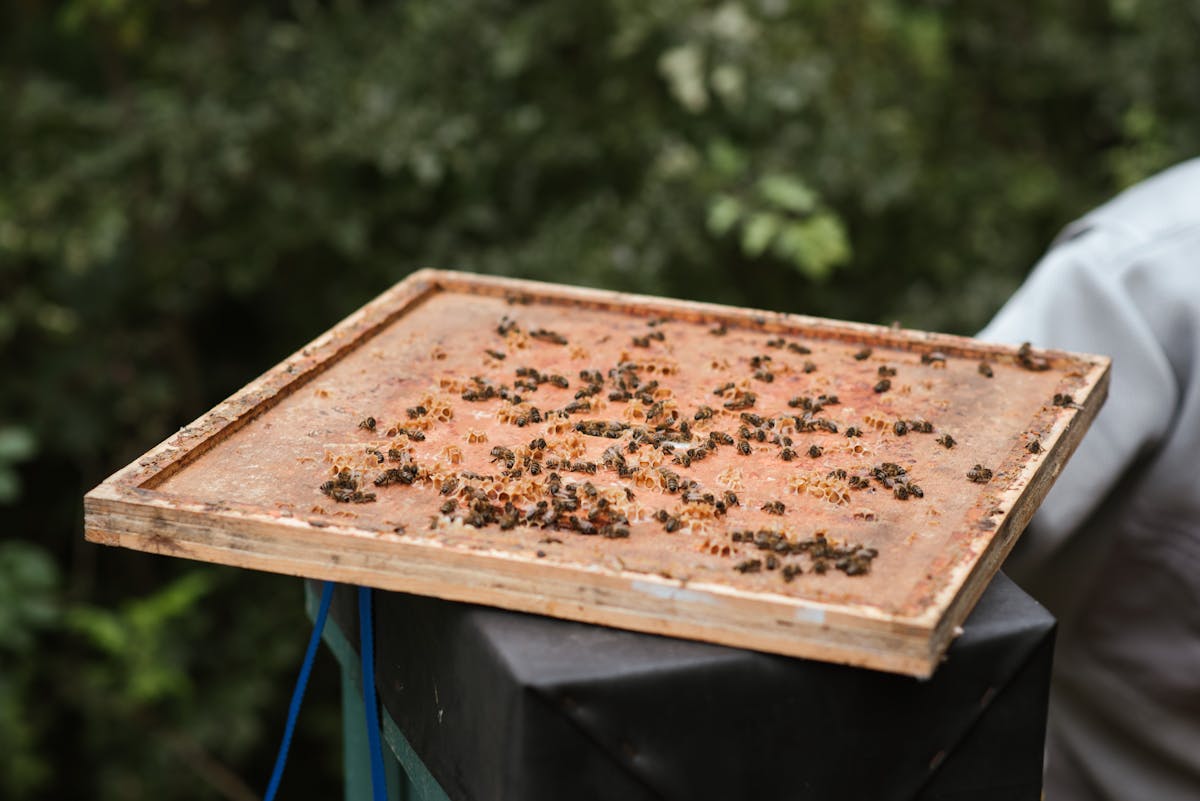
Located just 90 minutes from Bangkok, the 10-rai Somdul Bee Sanctuary is a masterclass in multi-crop agroforestry and native pollinator conservation. In a region often dominated by monoculture, this sanctuary demonstrates how small-scale farms can stabilize local ecosystems and contribute to Thailand’s green economy. Travelers explore demonstration plots, learn the science of bee conservation, and taste chemical-free honey harvested on-site, making it a cornerstone of sustainable travel in Samut Songkhram.
I remember the first time I stepped onto the grounds of Somdul. After the rhythmic chaos of Bangkok’s traffic, the soundscape here is a revelation. It isn’t silent—it’s alive. There is a low, vibrational hum that seems to emanate from the earth itself. “That’s the sound of a healthy planet,” a local guide told me as we stood under a canopy of flowering lime trees. This isn’t just a place that sells honey; it’s a living laboratory for regenerative agriculture.
Why Sustainable Travel in Samut Songkhram Should Be on Your List Right Now
Samut Songkhram has long been famous for its floating markets and “umbrella-down” railway market, but the province is currently undergoing a profound “Green Transformation.” Under the national “Thailand Tourism Next 2026” strategy, the focus has shifted toward the “Circular Economy” and regional income distribution.
The Somdul Bee Sanctuary is the poster child for this movement. While mass tourism often leads to environmental degradation, Somdul acts as a carbon sink and a biodiversity hotspot. By visiting now, you are supporting a model that proves small-scale Thai farmers can thrive by protecting their land rather than depleting it.
Best Time to Visit & Practical Planning Tips
| Category | Details |
|---|---|
| Best Season | November to February (Cool, dry, and peak flowering season). |
| Getting There | 90-minute drive from Bangkok via Highway 35 (Rama II Rd). |
| Visa Info | Most travelers enjoy 30-day visa exemptions (check 2026 updates for 60-day extensions). |
| Daily Budget | 1,800 – 2,800 THB for a high-value, low-impact day of exploration. |
| Local Etiquette | Avoid wearing heavy perfumes; it can confuse or agitate the bees. |
Expert Tip: If you’re coming from Bangkok, consider hiring a private electric vehicle (EV) or using the Maeklong Railway for a lower carbon footprint.
Top 5 Must-Experience Highlights at Somdul Bee Sanctuary
1. The Pollinator Science Workshop
This is the heart of the experience. You won’t just look at hives; you’ll learn about the critical role native Thai bees play in the national food supply. Guides explain how multi-crop agroforestry—planting different types of trees together—creates a resilient habitat that monoculture (like palm or rubber plantations) destroys.
- Opening Hours: 9:00 AM – 4:00 PM (Workshops by appointment).
- Entry Fee: ~500 THB for the full guided workshop.
2. The Chemical-Free Honey Tasting
Forget the processed syrup from the supermarket. Here, you taste the “terroir” of Samut Songkhram. Depending on what’s in bloom—coconut, lime, or wildflowers—the honey profile changes. It’s a sensory lesson in why biodiversity matters.
3. Native Plant Identification Trail
Somdul is a 10-rai forest-farm. Walking the trails with a community guide allows you to see the “5 Green” principles in action. You’ll see how grey water is recycled and how “waste” is turned into compost for the orchards.
4. Zero-Waste Crafting
Many visitors love the hands-on workshops where you can make beeswax wraps or herbal balms using ingredients grown within 100 meters of where you’re standing. It’s a tangible way to take the “Circular Economy” home with you.
5. Community “Green” Market
On weekends, the sanctuary often hosts local small-scale producers. This is the best place to buy authentic OTOP (One Tambon One Product) goods, from organic salt to hand-woven coconut palm hats, ensuring your money stays in the local economy.
Detailed 3-Day “Green Sweetness” Itinerary
Day 1: The Pollinator Connection
- 09:30 AM: Arrive at Somdul Bee Sanctuary. Welcome drink of honey-lime water.
- 10:30 AM: Immersive Pollinator Science Workshop and hive observation.
- 12:30 PM: Farm-to-table lunch at the sanctuary café, featuring ingredients from their organic plots.
- 02:30 PM: Honey tasting and beeswax wrap workshop.
- 04:30 PM: Check into a local riverside eco-homestay.
- Estimated Cost: 2,200 THB.
Day 2: Coastal Resilience and Mangroves
- 08:30 AM: Head to the nearby coastal areas for a “Crab Condominium” activity—helping restore local crustacean populations.
- 11:00 AM: Kayak through the mangrove forests to see how the community fights coastal erosion.
- 01:00 PM: Sustainable seafood lunch at a local fishing cooperative.
- 03:00 PM: Visit Sirisompong Farm for a workshop on Thai herbal remedies.
- Estimated Cost: 1,800 THB.
Day 3: The Slow Market Experience
- 08:00 AM: Visit the Tha Kha Floating Market—a much more sustainable and local alternative to the crowded Damnoen Saduak.
- 11:00 AM: Participate in a traditional coconut sugar-making demonstration.
- 01:00 PM: Community voting session: Use the platform to vote on which local environmental project receives the next grant from the Environmental Fund.
- Estimated Cost: 1,200 THB.
Where to Stay: Best Eco-Friendly & Authentic Accommodations
- Luxury: Kiri Private Reserve (Regional Partner): While a bit of a drive, this resort sets the benchmark for zero-waste policies and community-driven projects.
- Mid-Range: Asita Eco Resort: A boutique stay designed to minimize environmental impact with a strong focus on water conservation and local sourcing.
- Budget: Ban Rim Klong Homestay: A 5-star rated community tourism hub where you live with a local family and participate in daily gardening and cooking.
Food & Local Cuisine Guide: The Flavors of the Delta
Sustainable travel in Samut Songkhram is synonymous with eating seasonally.
- Must-Try Dish: Pla Too Mae Klong (Short-bodied mackerel). Look for the “quality mark” to ensure it was caught using sustainable, small-scale methods.
- Sweet Treat: Thong Yip made with local organic duck eggs and palm sugar from the sanctuary’s neighbors.
- Etiquette: In Samut Songkhram, “slow food” is a way of life. Don’t rush your meal; engage with the vendor about where the ingredients came from.
Sustainable & Responsible Travel Tips
- Pollinator Respect: Never swat at bees. At Somdul, they are treated as partners, not pests.
- No Pesticides: If you are visiting nearby farms, ensure they adhere to organic standards. The Tour in Thailand project only partners with certified “Green” farms.
- Water Conservation: The delta area is sensitive to saltwater intrusion. Use water sparingly at your homestay.
- Community Voting: Your booking fee contributes to the Thailand Environmental Fund. Make sure you use your “Impact Token” on the marketplace app to vote for local reef or forest restoration.
Packing List & What to Know Before You Go
- Neutral-Colored Clothing: Avoid bright floral patterns which might attract too much attention from the bees.
- Natural Insect Repellent: Choose DEET-free, citronella-based sprays to protect the sanctuary’s delicate ecosystem.
- Reusable Kit: A water bottle and a small cloth bag for market finds are essential. Thailand has banned single-use plastics in all national parks and many eco-sites.
Frequently Asked Questions (FAQ)
Is Somdul Bee Sanctuary safe for children?
Yes! The sanctuary has specialized educational programs for youth. The “hands-off” observation methods ensure a safe and educational environment for families.
What if I’m allergic to bees?
We recommend consulting your doctor before visiting any apiary. However, Somdul offers many “bee-adjacent” activities like agroforestry walks and herbal workshops that don’t require close proximity to the hives.
How does this visit help the environment?
A portion of your fee goes directly to the Thailand Environmental Fund, which supports regional projects like mangrove restoration and school environmental programs.
Conclusion: A Greener Shade of Sweet
The Somdul Bee Sanctuary isn’t just about honey; it’s about a vision of Thailand where nature and progress hum in harmony. By choosing sustainable travel in Samut Songkhram, you are proving that the “Value over Volume” strategy isn’t just a government catchphrase—it’s a viable, beautiful reality. You’ll leave with more than just a jar of honey; you’ll leave with a deeper understanding of the intricate web that connects us all.
Ready to taste the future of travel? Book your Somdul Bee Sanctuary experience today and cast your vote for local biodiversity!

Comment (0)