
Experience #1: Khlong Toei Community Immersion
Beyond the Skyscrapers: A Deep Dive into Bangkok’s Khlong Toei Community Immersion
Bangkok is often viewed through its glitzy malls and skyscrapers, but the heart of the city beats in the Khlong Toei neighborhood. This immersive experience, co-created with the social enterprise Local Alike, shifts the narrative from “slum tourism” to social awareness and community empowerment. Visitors engage directly with residents through jasmine-garland workshops and sample home-cooked dishes that reflect the diverse culinary heritage of the urban working class. This is a “Perfect Stranger” journey where travelers become active participants in local life, supporting a localized model of sustainable urban tourism in Bangkok.
Imagine stepping off the air-conditioned Skytrain and, within minutes, finding yourself in a labyrinth of vibrant alleyways where the air smells of blooming jasmine and simmering galangal. This isn’t the Bangkok you see on postcards; this is the Bangkok that keeps the city running. As an expert who has spent years navigating the “Land of Smiles,” I can tell you that the most profound travel moments don’t happen in front of gold-plated temples, but in the kitchens of local families who open their doors—and their hearts—to share their story.
Why Sustainable Urban Tourism in Bangkok Should Be on Your List Right Now
Thailand is currently undergoing a massive transformation in its tourism philosophy. Under the “Thailand Tourism Next 2026” framework, the nation is pivoting from a volume-based model to one that prioritizes high-value, quality growth. The goal is no longer just “more tourists,” but “more impact.”
Khlong Toei is the frontline of this shift. As Bangkok implements its “Green Bangkok 2030” project to increase urban green spaces and promote eco-friendly infrastructure, neighborhoods like Khlong Toei are proving that social sustainability is just as vital as environmental protection. By visiting now, you are participating in a “Circular Economy” model that ensures tourism revenue flows directly into community funds rather than leaking offshore.
Best Time to Visit & Practical Planning Tips
To get the most out of your Khlong Toei community tour, timing and preparation are key.
- Weather: The “cool” season from November to February is ideal, with temperatures ranging from 20°C to 30°C. Avoid the peak afternoon heat (12:00 PM – 3:00 PM) if you are sensitive to humidity.
- Crowds: Because this experience is limited to small groups to preserve community dignity, “over-tourism” isn’t an issue. However, Saturday mornings are particularly vibrant as the local markets are in full swing.
- Logistics: The neighborhood is easily accessible via the MRT Blue Line (Khlong Toei Station). From there, your local guide will meet you to begin the walking portion.
- Budgeting:
Top 5 Must-Experience Highlights in Khlong Toei
- The Jasmine-Garland Workshop: Sit down with the community’s expert artisans—often the neighborhood “grannies”—to learn the meditative art of stringing Phuang Malai. It’s harder than it looks, and the laughter shared over your first few attempts is the best bridge between cultures.
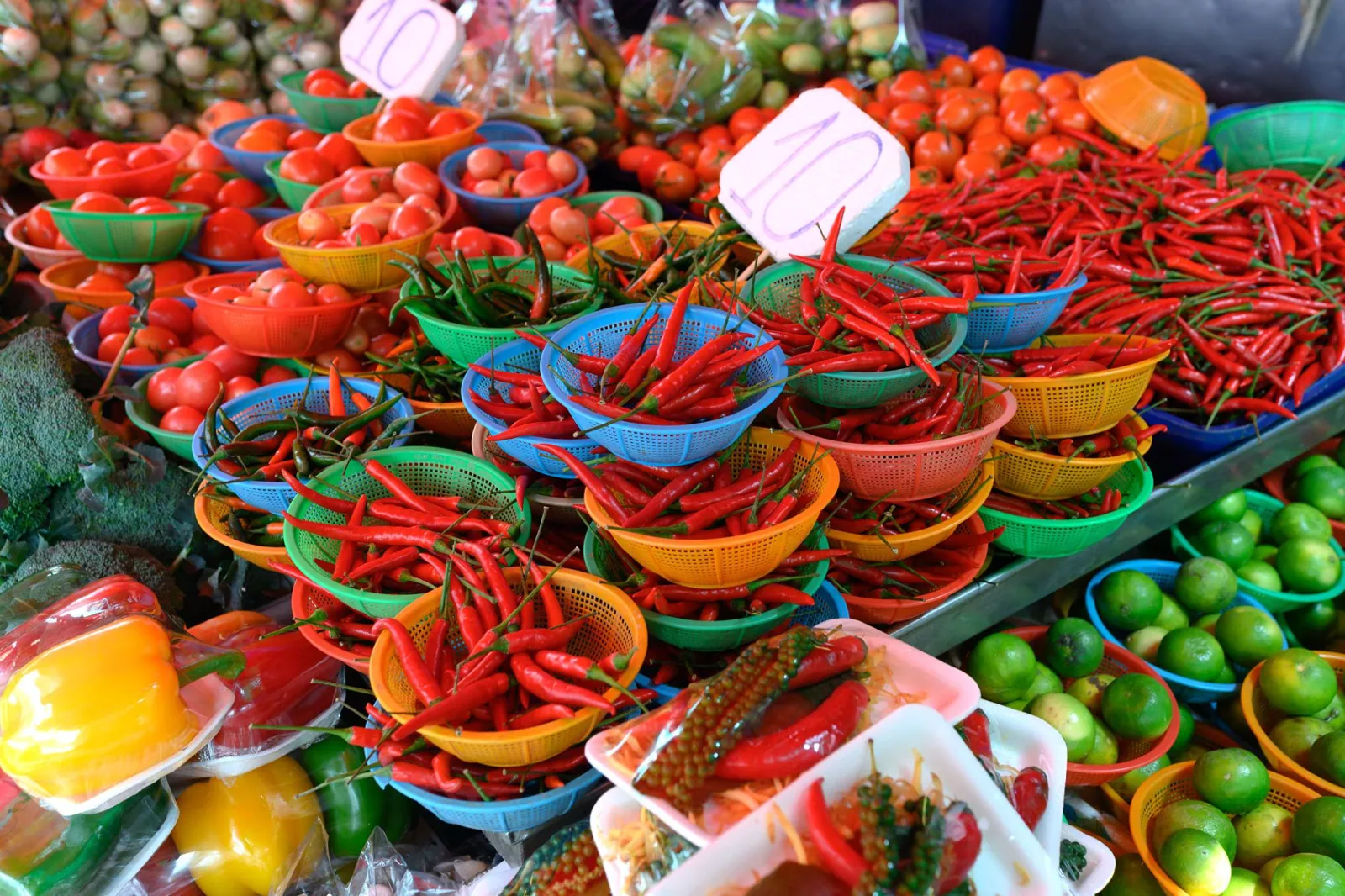
- Market-to-Table Lunch: Visit the sprawling Khlong Toei wet market to see where Bangkok’s top chefs source their ingredients, followed by a home-cooked meal in a resident’s home.
- Local Art and Murals: Discover the vibrant street art that tells the history of the neighborhood’s resilience and its struggle for land rights.
- Social Awareness Walk: Your guide will explain the complexities of urban migration and how the community manages its own waste and education programs through the Local Alike partnership.
- Community Hub Visit: See the local library and youth center, funded in part by your visit, where children learn English and digital skills.
Detailed 2-Day “Value Over Volume” Itinerary
Day 1: The Urban Heartbeat
- 09:00 AM: Meet your Local Alike guide at MRT Khlong Toei.
- 10:00 AM: Walking tour of the Khlong Toei Market; sample seasonal fruits like durian (if you’re brave!).
- 12:30 PM: Authentic lunch at a “Perfect Stranger” host home—try the Kai Ga Ta (pan-fried eggs with minced pork).
- 02:30 PM: Hands-on jasmine-garland workshop.
- 04:30 PM: Reflection session at the community center to learn about the Thailand Environmental Fund’s local projects.
- Cost: ~2,800 THB.
Day 2: The Green Connection
- 08:00 AM: Take a cross-river ferry to the “Green Lung” (Bang Krachao) to see how urban communities protect Bangkok’s air quality.
- 12:00 PM: Riverside lunch featuring sustainable seafood.
- 03:00 PM: Visit a local craft cooperative making upcycled products from ocean plastic.
- Cost: ~1,500 THB.
Where to Stay: Best Eco-Friendly & Authentic Accommodations
- Luxury: Varana Hotel Krabi (Partner Program): While not in Bangkok, their urban partner hotels in the Riverside district offer the same commitment to zero-waste and organic dining.
- Mid-Range: Kaomai Lanna Resort (Bangkok Outpost): A sustainable oasis with a zero-food-waste policy that connects nature with urban comfort.
- Budget: Sila Homestay: A community-run lodge that reinvests 100% of profits into local hospitality training.
Food & Local Cuisine Guide: Tasting the Real Bangkok
Forget the pad thai you find on Khao San Road. In Khlong Toei, you’re tasting the food of the people.
- Must-Try Dish: Sai Krok Isaan (fermented sausages)—a staple for the many residents who migrated from the Northeast.
- Etiquette: Always wait for the eldest at the table to take the first bite. It’s a sign of Kreng Jai (consideration) that goes a long way in Thai culture.
Sustainable & Responsible Travel Tips
- Ask Before Taking Photos: This is a living neighborhood, not a zoo. Always ask your guide if a photo is appropriate.
- Avoid Single-Use Plastics: The Tour in Thailand project promotes a “No Foam, No Plastic” policy. Bring a reusable bottle; your guide can show you where to find reverse osmosis refill stations.
- Support Local Artisans: Instead of mass-produced souvenirs, buy a handmade garland or a textile from a local cooperative.
- Community Voting: After your tour, don’t forget to cast your vote on the platform to decide which local project receives the next grant from the Thailand Environmental Fund.
Packing List & What to Know Before You Go
- Essentials: A reusable water bottle, comfortable walking shoes (you’ll be navigating uneven paths), and a modest outfit (shoulders and knees covered) for temple visits.
- Connectivity: Grab an e-SIM before arrival to stay connected with your guide.
- Health: Stick to bottled or filtered water and carry a small bottle of hand sanitizer for market snacks.
Frequently Asked Questions (FAQ)
Is it safe to visit Khlong Toei?
Absolutely. When visiting with a community-sanctioned guide from Local Alike, you are welcomed as a guest. The project focuses on “Optimistic Thailand,” ensuring safety and trust for both visitors and locals.
How much of my money goes to the community?
Under the Tour in Thailand model, over 70% of the booking fee remains in the host community, with an additional percentage flowing into the transparent Thailand Environmental Fund.
Can I visit without a guide?
While you can walk through the market on your own, the immersive “Perfect Stranger” home visits and workshops are only possible through our community partners to ensure privacy and ethical standards.
Conclusion: Travel with Purpose
Stepping into Khlong Toei is more than just a day trip; it’s a commitment to a new way of traveling. It’s an acknowledgment that every dollar spent can either contribute to a community’s resilience or its displacement. By choosing sustainable urban tourism in Bangkok, you aren’t just a spectator—you’re a partner in Thailand’s journey toward a greener, fairer future.
Ready to plan your responsible adventure? Book your Khlong Toei Immersion today and cast your vote for the next local conservation project!

Comment (0)