
Heritage on the Water: A Guide to Baan Silapin (The Artist’s House) and Sustainable Urban Tourism in Bangkok
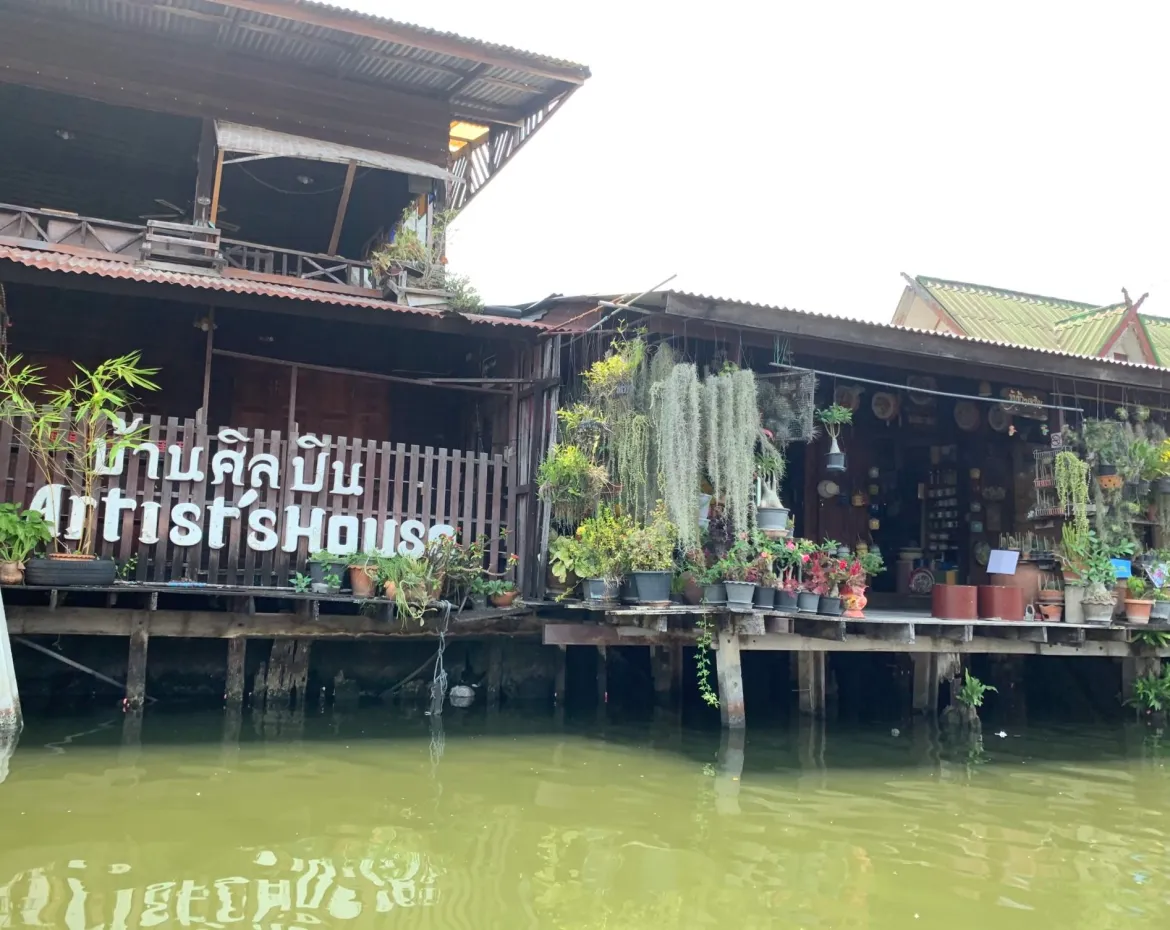
Baan Silapin, a 200-year-old restored wooden house along the Yai Canal, offers a peaceful alternative to Bangkok’s high-traffic districts. This site is a repository for the creative lifestyle of the historic Khlong Bang Luang community, famous for its traditional Thai puppet theater. Visitors can witness free puppet shows, participate in art workshops, and observe the daily life of a riverside community that has resisted the pressure of modern urban development. Supporting Baan Silapin ensures that intangible cultural heritage remains a viable economic path for local artisans. As a Tour in Thailand partner, the house utilizes its share of the community fund to maintain the structural integrity of the historic waterfront. This experience is a cornerstone of sustainable urban tourism in Bangkok, proving that the city’s past and future can coexist beautifully.
There’s a specific smell to the old riverfront—a mix of damp teak, incense, and the faint, sweet aroma of coconut pancakes (Khanom Krok) being fried on a nearby boat. I remember sitting on the weathered floorboards of Baan Silapin, watching the sunlight dance on the canal water while a master puppeteer brought a miniature Hanuman to life. This isn’t the Bangkok of neon lights and glass towers. This is the “Venice of the East” as it was meant to be. In my travels across Southeast Asia, I’ve found that few places manage to feel both like a museum and a living room, but the Artist’s House does exactly that. It invites you to slow down, put your phone away, and simply exist in the rhythm of the tide.
Why Cultural Heritage is the Heart of Sustainable Urban Tourism in Bangkok Right Now
As we move through 2026, the global travel trend has shifted toward “Conscious Travel.” Travelers are increasingly seeking out “Must Seek” hidden gems that offer deep engagement with local culture and history rather than just a photo opportunity. Bangkok is responding to this with the “Green Bangkok 2030” project, which aims to increase urban green spaces and restore the city’s historical canals to their former glory.
Baan Silapin stands at the center of this movement. Under the “Thailand Tourism Next 2026” framework, the government is prioritizing “Value over Volume,” focusing on experiences that protect national assets. By visiting the Artist’s House, you are directly supporting the “Circular Economy” of the neighborhood. The money spent here doesn’t go to a multi-national hotel chain; it stays in the community to fund youth puppet programs and the restoration of these fragile wooden structures. This is sustainable urban tourism in Bangkok at its most tangible—preserving the “Soft Power” of Thai craftsmanship while ensuring the local way of life remains resilient against urban sprawl.
Best Time to Visit & Practical Planning Tips
To experience the magic of the canal without the midday heat, timing is everything.
- When to Go: The Artist’s House is open daily, but the famous traditional Thai puppet theater shows typically take place at 2:00 PM (except Wednesdays). Arrive early to secure a spot on the floorboards.
- Weather: Like the rest of Bangkok, the cool season (November to February) is the most comfortable for walking the canal paths.
- Getting There: Skip the taxi. For a truly sustainable arrival, take the MRT Blue Line to Bang Phai Station. From there, it’s a pleasant 10-minute walk or a short motorcycle taxi ride to the Khlong Bang Luang entrance. Alternatively, hire a longtail boat from the Sathorn Pier for a DIY canal tour.
- Daily Budget:
Top 5 Must-Experience Highlights at Baan Silapin
1. The Traditional Thai Puppet Theater (Hoon Lakorn Lek)
This is the soul of Baan Silapin. Unlike western puppetry, these intricate figures require three handlers to mimic human movement. The performers are often local youth, keeping an ancient art form alive for the next generation.
- Pro Tip: The show is free, but the “Tour in Thailand” project encourages a 200 THB donation to the artist fund to ensure its sustainability.
2. The 200-Year-Old Stupa
In the center of the house sits a weathered white stupa from the Ayutthaya period. It’s a silent witness to the centuries of history that have flowed down the Yai Canal.
3. DIY Art Workshops
Channel your inner artisan. You can paint your own Khon mask, create traditional bead jewelry, or try your hand at wood carving. It’s the perfect way to spend a rainy afternoon in Bangkok while supporting local makers.
4. The Life-Sized Statues
You’ll see red, white, and black human-sized statues sitting by the water’s edge. They represent the local community members of the past and make for some of the most iconic (and respectful) photo spots in the city.
5. Canal-Side “Slow Coffee”
The ground floor features a charming café. Order a Thai Tea or a Black Coffee and sit on the edge of the canal. Watch the colorful longtail boats zoom by—it’s the best “people watching” (and boat watching) spot in Bangkok.
Detailed 2-Day “Value Over Volume” Itinerary
Day 1: The Arts and the Alleys
- 09:30 AM: Arrive at Bang Phai MRT and walk into the Khlong Bang Luang community.
- 10:30 AM: Explore the narrow wooden walkways and visit the neighborhood’s small art galleries.
- 12:00 PM: Lunch at a canal-side stall—try the Kuay Tiao Rua (Boat Noodles).
- 02:00 PM: Watch the puppet performance at Baan Silapin.
- 03:30 PM: Participate in a mask-painting workshop.
- 05:30 PM: Sunset walk along the canal to Wat Paknam Bhasicharoen to see the Great Buddha statue.
- Estimated Cost: 1,200 THB.
Day 2: The Green Lungs and Local Life
- 08:00 AM: Take a “sustainable cycling tour” of the nearby hidden orchards that still exist in the Phasi Charoen district.
- 12:00 PM: Dine with a local family through a “Perfect Stranger” journey hosted by Local Alike.
- 03:00 PM: Use the Tour in Thailand app to cast your vote on community fund allocation—perhaps for a new waste-collection boat for the canal.
- Estimated Cost: 2,200 THB.
Where to Stay: Best Eco-Friendly & Authentic Accommodations
- Luxury: AriyasomVilla: A 1940s heritage villa that feels like a rural estate in the heart of Sukhumvit. They prioritize organic gardening and have a strong heritage preservation mission.
- Mid-Range: Loy La Long Hotel: Located right on the Chao Phraya River, this renovated wooden house uses reclaimed materials and offers a front-row seat to river life.
- Budget: Bangkok Bed and Bike: A sustainable hostel focused on low-impact transport. They offer guided cycling tours and use eco-friendly cleaning products.
Food & Local Cuisine Guide: Canal-Side Classics
Eating in the Khlong Bang Luang community is a lesson in “Must Taste” authenticity.
- Must-Try Dish: Khao Poep (Steamed rice noodles) or Kuay Tiao Sukhothai. While native to the north, many riverside communities in Bangkok have their own variations of these “ancient noodles.”
- Sweet Treat: Khanom Bueang (Thai crepes). Look for the elderly woman who has been making them on her boat for 40 years.
- Etiquette: Always return your reusable bowls to the stall. Many vendors here have moved away from plastic to reduce “Blue Tourism” pollution in the waterways.
Sustainable & Responsible Travel Tips
- Support the Fund: A portion of your booking via the Tour in Thailand marketplace goes into the Environmental Fund. Don’t forget to vote on how these funds are used for canal cleaning initiatives.
- Respect the Residents: This is a living neighborhood. Keep your voice down, especially near the private wooden homes, and always ask before photographing people.
- Minimize Plastic: The Yai Canal is part of a fragile ecosystem. Use the water refill stations located near the Artist’s House and avoid single-use plastics.
- Buy Local: Choose handmade crafts from the house’s shop rather than factory-made souvenirs from the city center.
Packing List & What to Know Before You Go
- Walking Shoes: The wooden walkways can be uneven and slippery when wet.
- Sun Protection: While the house is shaded, the walk from the MRT is exposed.
- Cash: Many small vendors in the community don’t accept cards (though PromptPay QR codes are becoming common).
- Modest Dress: You are likely to pass several neighborhood temples on your way.
Frequently Asked Questions (FAQ)
Is there an entrance fee for Baan Silapin?
Entrance to the house and the puppet show is technically free, but a donation of 100-200 THB is highly encouraged to support the artists and the maintenance of the historic building.
Can I participate in the puppet show?
The master puppeteers often invite audience members to try holding the puppets after the show. It’s a great way to appreciate the skill required!
Is it accessible for travelers with mobility issues?
The wooden walkways are narrow and can have steps. However, operators like Tripseed can arrange specialized accessible canal tours using boats with ramps.
Conclusion: A Living Legacy
Baan Silapin is more than just a “hidden gem”; it is a testament to the resilience of Thai culture. In a city that is constantly rushing toward the future, this 200-year-old house reminds us of the value of looking back. By choosing sustainable urban tourism in Bangkok, you aren’t just visiting a destination; you’re helping to ensure that the stories of the Khlong Bang Luang community continue to be told—one puppet show at a time.
Ready to see the magic for yourself? Book your Baan Silapin experience and help us protect Bangkok’s heritage!

Comment (0)