
The Green Heart of the Floating Market: A Sustainable Guide to Sirisompong Farm & Café and Amphawa
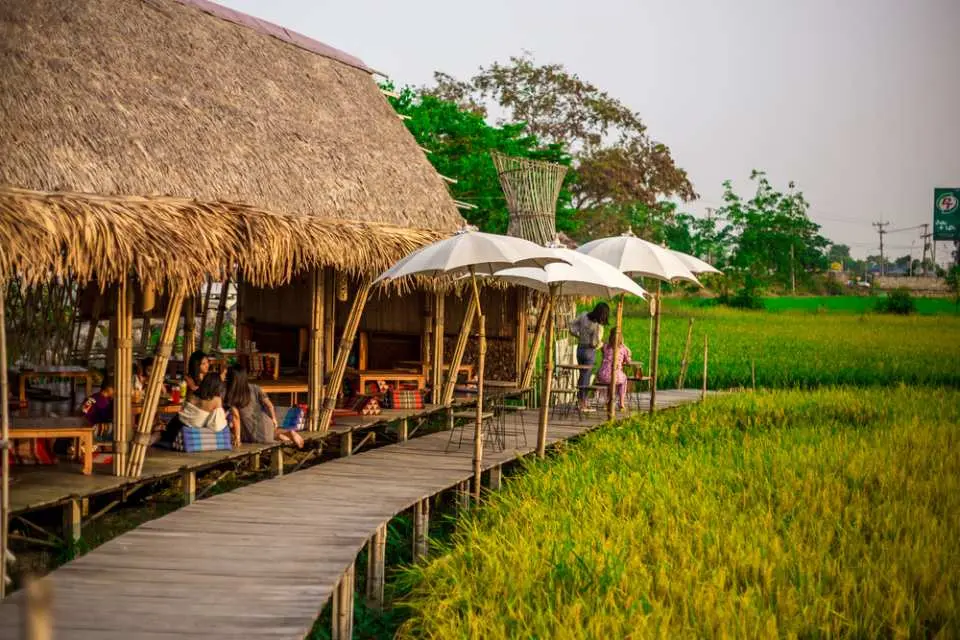
Located on the edge of the historic Amphawa Floating Market district, Sirisompong Farm combines learning and leisure in a way that feels like a warm embrace from the Thai countryside. This 10-rai oasis grows pesticide-free vegetables, herbs, and flowers, serving as a vital model for sustainable travel in Amphawa. Workshops on composting, organic farming, and Thai herbal remedies are available for visitors, while the associated café ensures every dish and drink highlights local ingredients. By choosing this experience, you are directly supporting the community economy and proving that sustainability can be both delicious and practical.
If you’ve ever felt overwhelmed by the neon-lit chaos of Bangkok, Amphawa is the deep breath you’ve been looking for. I remember sitting on the wooden deck of the Sirisompong Café, the scent of crushed kaffir lime leaves drifting from the garden, watching a monitor lizard glide silently through the canal. A local farmer, Uncle Siri, handed me a glass of bright purple butterfly pea juice sweetened with honey from their own hives. “The soil tells the story,” he told me. “If the soil is happy, the people are happy.” This isn’t just a business; it’s a living testament to the Thai philosophy of Sufficiency Economy, where we take only what we need and give back to the land that feeds us.
Why Sustainable Travel in Amphawa Should Be on Your List Right Now
As we navigate through 2026, the Tourism Authority of Thailand (TAT) has doubled down on the “Action Plan 2026,” which prioritizes value over volume. Amphawa, long famous for its evening firefly tours and weekend markets, is at the heart of this transformation. The region is shifting away from mass-market tourism toward “Circular Economy” initiatives that empower local families.
Sirisompong Farm & Café is a “Must Seek” destination under this new framework. While the main floating market can still get crowded on Saturday nights, the surrounding orchards are becoming the new frontier for eco-conscious travelers. Recent developments in the “Green Breath of Chanthaburi” model are being replicated here in the Samut Songkhram delta, focusing on green logistics and sustainable gastronomy. By visiting now, you are participating in a pilot program that uses tourism to restore the biodiversity of the Maeklong River basin, rather than depleting it.
Best Time to Visit & Practical Planning Tips
To experience the true “slow life” of the delta, planning is essential.
- Weather: The best time for sustainable travel in Amphawa is during the cool season (November to February). The humidity is lower, and the herbal gardens are in full bloom.
- Avoiding Crowds: The Amphawa weekend market is at its peak on Friday and Saturday evenings. To truly enjoy Sirisompong Farm, visit on a weekday (Monday to Thursday). You’ll have the workshops almost to yourself.
- Getting There: Skip the gas-guzzling minivans. Take the SRT train from Wongwian Yai to Mahachai, cross the river by ferry, and catch the “Maeklong Railway” train to the end of the line. From the Maeklong station, a 15-minute electric Tuk-Tuk ride will bring you to the farm.
- Daily Budget:
Top 5 Must-Experience Highlights at Sirisompong Farm & Café
1. The “Grandma’s Pharmacy” Herbal Workshop
Learn how to transform garden plants like turmeric, galangal, and lemongrass into traditional Thai remedies. You’ll pound your own herbal compress (Luk Prakob) and learn which plants can soothe a mosquito bite or aid digestion.
2. Composting 101: Closing the Loop
Sirisompong is a zero-waste advocate. This workshop shows you how the café’s food scraps become the “black gold” that fuels the organic vegetable plots. It’s a hands-on lesson in the Circular Economy.
3. Canal-Side Sustainable Gastronomy
The café isn’t just a place to eat; it’s a gallery of local flavors. Try the Miang Kham (leaf-wrapped snacks) where every ingredient—from the ginger to the toasted coconut—is sourced within 5 kilometers of your table.
4. Organic Pollinator Walks
Walk through the 10-rai plots and observe how the farm uses companion planting to manage pests without chemicals. You’ll see native bees and butterflies that are essential to the region’s pomelo and coconut production.
5. Community “Market to Table” Tours
Pair your visit with a trip to the nearby Tha Kha Floating Market. Unlike the more famous markets, Tha Kha is still a hub for local exchange. Sirisompong guides can help you identify seasonal fruits and buy directly from the farmers’ boats.
Detailed 3-Day “Delta Resilience” Itinerary
Day 1: The Orchard Immersion
- 09:00 AM: Arrive at Sirisompong Farm. Welcome drink of honey-lime-soda.
- 10:30 AM: Immersive Organic Farming Workshop. Get your hands in the dirt and learn about the Maeklong soil profile.
- 12:30 PM: Farm-to-table lunch at the café featuring chemical-free seasonal greens.
- 02:30 PM: “Grandma’s Pharmacy” workshop—make your own herbal compress.
- 05:00 PM: Check into a local riverside eco-homestay.
- Estimated Cost: 2,200 THB.
Day 2: River Life and Marine Heritage
- 08:00 AM: Head to the nearby Tha Kha Floating Market. Try the traditional coconut sugar making.
- 11:00 AM: Kayak through the narrow canals (Khlongs) to see the last remaining traditional wooden riverside houses.
- 01:00 PM: Sustainable seafood lunch—look for the short-bodied mackerel (Pla Too), a regional specialty.
- 03:00 PM: Visit the Somdul Bee Sanctuary (a fellow Tour in Thailand partner) to learn about pollinator conservation.
- Estimated Cost: 1,800 THB.
Day 3: Impact and Reflection
- 09:00 AM: Cycle through the coconut plantations using the “Green Logistics” paths.
- 11:00 AM: Visit a local community cooperative making upcycled products from coconut husks.
- 01:00 PM: Community Voting: Use the Tour in Thailand app to vote on how the Environmental Fund should be used to protect the Maeklong River’s water quality.
- Estimated Cost: 1,200 THB.
Where to Stay: Best Eco-Friendly & Authentic Accommodations
- Luxury: Varana Hotel Krabi (Regional Strategic Partner): While located in the South, their philosophy of “Sustainable Luxury” is reflected in their recommended partner lodges in the Central region that prioritize zero-waste and organic dining.
- Mid-Range: Asita Eco Resort: Located right on the canal, this resort uses renewable energy and avoids all single-use plastics. They even have their own organic garden that supplies their restaurant.
- Budget: Ban Rim Klong Homestay: A 5-star community-based tourism hub. You’ll stay with a local family, participate in traditional activities like weaving, and support the local economy directly.
Food & Local Cuisine Guide: Tasting the Maeklong
Amphawa is a “Must Taste” destination, especially for those interested in the link between biodiversity and gastronomy.
- Must-Try Dish: Pla Too Mae Klong (Mae Klong Mackerel). This fish is famous for its “broken neck” (to fit in the basket) and its rich, oily flesh. Ensure it is sourced from small-scale sustainable fishers.
- Dessert: Thong Yip and Thong Yod made with local organic duck eggs and palm sugar from the nearby Tha Kha groves.
- Etiquette: In family-run cafes like Sirisompong, it’s polite to finish your food to show respect for the farmer’s hard work. Many places now have a “Zero Food Waste” policy, composting whatever is left.
Sustainable & Responsible Travel Tips
- Support the Fund: Every booking through the marketplace includes a contribution to the Thailand Environmental Fund. Don’t forget to vote on the platform to decide which mangrove restoration or water cleaning project gets the grant.
- No Plastic, No Foam: Thailand’s national parks and many eco-destinations have a strict “No Foam, No Plastic” policy. Carry a reusable water bottle; Sirisompong offers free refills of filtered rainwater.
- Choose Human-Powered Transport: Whenever possible, use bicycles or kayaks to explore the orchards. This reduces your carbon footprint and allows you to hear the sounds of nature.
- Respect the Fireflies: If you take an evening boat tour, ensure the boatman uses an electric motor or rows silently. Never use a flash when photographing fireflies, as it disrupts their mating patterns.
Packing List & What to Know Before You Go
- Natural Bug Spray: Citronella-based sprays are better for the farm’s delicate ecosystem.
- Neutral Clothing: Earth tones (greens, browns, tans) help you blend in with the nature trails and keep you cool.
- Reusable Kit: A cloth bag for market finds and a set of bamboo cutlery.
- Cash and QR: While small vendors prefer cash, most eco-resorts and the Sirisompong Café accept PromptPay QR codes.
Frequently Asked Questions (FAQ)
Is Sirisompong Farm suitable for children?
Absolutely! The farm has specialized workshops for youth focusing on “Nature-Based Learning.” It’s a great place for kids to learn where their food comes from.
How do I know my visit is truly sustainable?
Sirisompong is a partner of the Tour in Thailand project, meaning their impact is measurable and verifiable. Over 70% of your booking fee stays in the local community, and they adhere to a strict pesticide-free policy.
Can I visit Sirisompong Farm without a car?
Yes. We highly recommend using the Maeklong Railway and electric Tuk-Tuks. It’s part of the “Green Logistics” initiative to reduce tourism-related carbon emissions.
Conclusion: A Greener Shade of Life
Sirisompong Farm & Café isn’t just a place to stop for coffee; it’s a glimpse into a more resilient future for Thai tourism. By choosing sustainable travel in Amphawa, you are helping to protect the delicate balance of the delta’s ecosystem and ensuring that the traditions of the Lanna and Central Thai ancestors continue to thrive. You’ll leave not just with a full stomach, but with a deeper understanding of the “Value over Volume” movement that is reshaping the Land of Smiles.
Ready to slow down and reconnect? Book your Sirisompong Farm experience today and cast your vote for local water conservation!

Comment (0)