
The Highland Blueprint: A Guide to Mae Kampong Village and Community Based Tourism in Chiang Mai
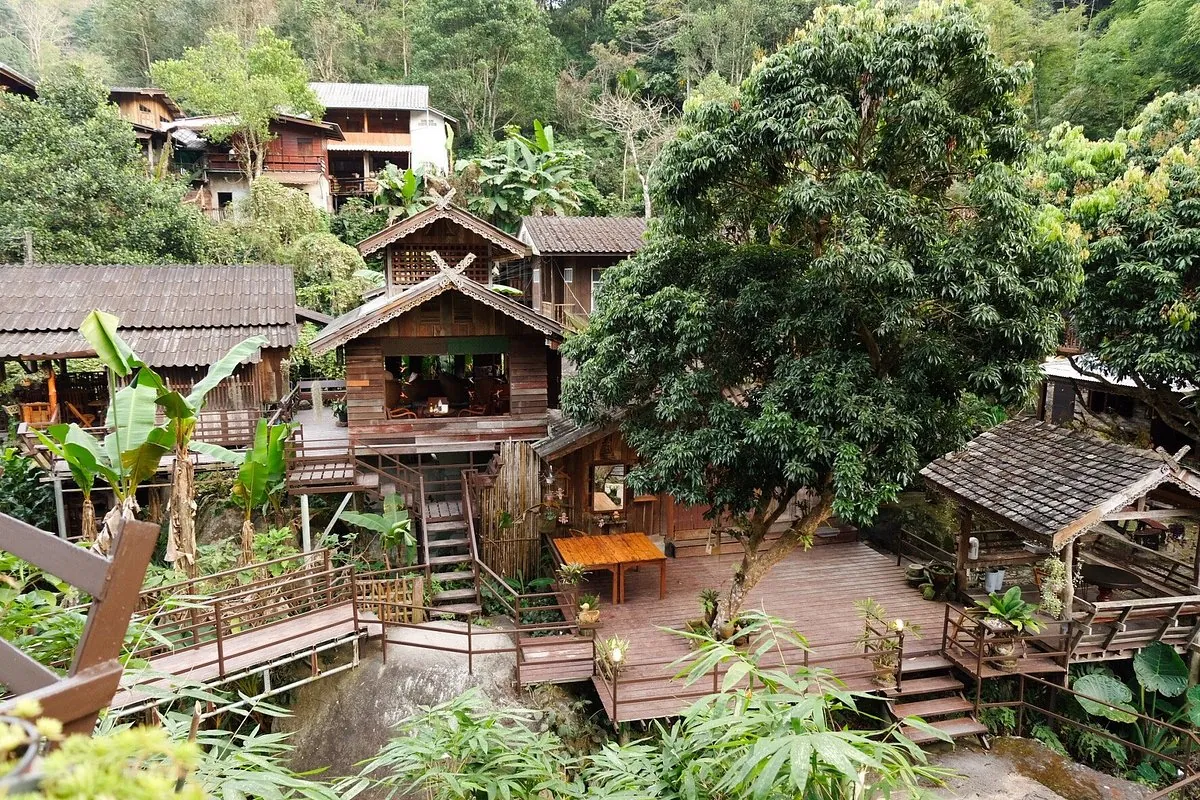
Mae Kampong is a mountain village that has successfully balanced tourism with ecological limits. With only 500 residents, the community manages its own hydroelectric system and recycles grey water for agricultural irrigation. To prevent over-tourism, the village limits the number of daily guests. Visitors participate in coffee roasting and fermented tea workshops, learning how the community relies on the land to survive without damaging the surrounding forest. The income from homestays is distributed collectively, with a percentage mandatory for the village scholarship fund and the community-led forest fire prevention teams. This makes it a premier example of community based tourism in Chiang Mai.
When I first hiked into the mist-shrouded valley of Mae Kampong, the first thing I noticed wasn’t the scenery, but the sound—the constant, gentle rush of a mountain stream that powers the entire village. A local elder, Uncle Pom, shared with me that the village has refused major road expansions for years. “We don’t want to be a destination that people just drive through,” he said. “We want people to stay, to listen, and to understand the forest.” In my years of documenting Southeast Asian cultures, Mae Kampong stands out as a “Must Seek” destination because it hasn’t lost its soul to the mass market. It is a living lesson in how human prosperity and forest conservation can exist in a symbiotic loop.
Why Community Based Tourism in Chiang Mai Should Be on Your List Right Now
As we move into 2026, the global travel landscape is shifting away from “Instagrammable spots” toward “Fascinating Experiences” that offer personal growth and local connection. The Tourism Authority of Thailand’s “Thailand Tourism Next 2026” strategy highlights the “Circular Economy” as a way to spread income to rural areas.
Mae Kampong is the pioneer of this movement. While many mountain villages have faced displacement due to development, Mae Kampong has used its hydroelectric power and organic coffee heritage to remain independent. By visiting now, you are supporting a community that actively manages its own resources. The village serves as a benchmark for the “7 Greens” initiative, focusing specifically on Green Heart and Green Community principles. As search interest for “sustainable travel” continues to rise, choosing a community-led experience like this ensures your footprint is not only minimized but serves to regenerate the local ecosystem.
Best Time to Visit & Practical Planning Tips
To experience the authentic “village rhythm,” timing is critical.
- Weather & Seasons: The “Cool Season” (November to February) is spectacular, with morning temperatures often dropping to 10°C. This is the best time for hiking the local nature trails. The “Rainy Season” (June to October) makes the surrounding forest incredibly lush and the waterfalls powerful, though trails can be slippery.
- Avoiding the Weekend Rush: Mae Kampong is a popular weekend trip for locals from Chiang Mai. To enjoy a quiet, contemplative atmosphere, visit on a Tuesday or Wednesday.
- Getting There: The village is roughly 1 hour and 15 minutes from Chiang Mai city. For a lower carbon footprint, use a shared electric minivan or hire a local driver through the Tour in Thailand platform to ensure the transport fee stays in the regional economy.
- Sample Daily Budgets:
Top 5 Must-Experience Highlights in Mae Kampong
1. The Community Hydroelectric Walk
Follow a local guide to see the small-scale turbines that generate clean energy for every home in the village. This activity illustrates the “Green Community” principle and shows how Mae Kampong achieved energy independence.
2. “Seed to Cup” Coffee Roasting Workshop
Mae Kampong is famous for its high-altitude Arabica. You’ll visit the hillside plantations, learn about the “forest-friendly” shade-grown method, and roast your own beans over an open fire.
3. Fermented Tea (Miang) Tasting
Learn the ancient Northern Thai art of fermenting tea leaves. This is a “Must Taste” cultural heritage activity that has sustained village elders for generations.
4. Doi Mon Lan Nature Trek
Led by village forest patrols, this trek takes you to the highest point in the area. Your trekking fee directly funds the community’s efforts to prevent seasonal wildfires.
5. The “No-Waste” Village Market
Explore the small shops along the main wooden street. Look for “Must Buy” items like hand-woven textiles and bamboo crafts, where every purchase supports the local social enterprise.
Detailed 3-Day “Highland Resilience” Itinerary
Day 1: Energy and Immersion
- 09:30 AM: Arrive in Mae Kampong; welcome tea at the community center.
- 11:00 AM: Guided walk of the hydroelectric system and village watershed.
- 12:30 PM: “Must Taste” lunch of Khao Soi made with local mountain herbs.
- 02:30 PM: Arabica coffee roasting workshop.
- 06:30 PM: Traditional northern dinner with your homestay hosts.
- Cost: ~2,200 THB.
Day 2: The Deep Forest
- 08:30 AM: Nature trek to Doi Mon Lan with a community guide.
- 12:30 PM: Picnic lunch in the forest using bamboo containers to avoid plastic.
- 03:00 PM: Visit the Mae Kampong Waterfall and participate in a stream-cleaning activity.
- 05:00 PM: Traditional Thai massage by a village practitioner.
- Cost: ~1,500 THB.
Day 3: Heritage and Giving Back
- 06:30 AM: Alms offering to the local monks—a peaceful start to the day.
- 09:00 AM: Fermented tea workshop and “Miang” tasting.
- 11:30 AM: Community Voting: Use the Tour in Thailand app to vote for the next forest restoration project funded by the Thailand Environmental Fund.
- Cost: ~800 THB.
Where to Stay: Best Eco-Friendly & Authentic Accommodations
- Authentic Choice: Mae Kampong Homestay Group: There are approximately 39 registered homestays starting from 600 THB. Your stay includes traditional meals and ensures income is shared across the village.
- Boutique Eco-Stay: Flight of the Gibbon Partner Lodges: Located nearby, these lodges focus on rainforest conservation and carbon-neutral operations.
- Sustainable Luxury: Aleenta Retreat Chiang Mai (Regional Partner): While a drive away, their commitment to zero-waste and wellness makes them the perfect base for exploring the Mae Kampong highlands.
Food & Local Cuisine Guide: Highland Flavors
Eating in Mae Kampong is a lesson in “Sustainable Gastronomy”.
- Must-Try Dish: Sai Oua (Northern Thai Sausage) grilled over local wood fires. The herbs used are foraged from the village forest gardens.
- Vegetarian Gem: Stir-fried “Chayote” shoots, a crisp mountain vegetable grown without pesticides.
- Etiquette: Meals are served family-style on “Khantoke” trays. Always wait for the oldest person at the table to begin.
Sustainable & Responsible Travel Tips
- Respect the Capacity: Mae Kampong limits daily visitors. Always book through the platform in advance to ensure the village’s ecological carrying capacity isn’t exceeded.
- No Plastic, No Exceptions: The village is a “Green Zone.” Carry a reusable bottle; many homestays provide filtered mountain spring water for refills.
- Support the Fund: A portion of your booking fee goes to the Thailand Environmental Fund. Don’t forget to cast your vote on the app for local projects like the “Young Guide” training program.
- Dress Modestly: This is a traditional community. Keep shoulders and knees covered when walking through the village.
Packing List & What to Know Before You Go
- Warm Layers: Even in the hot season, mountain nights are chilly.
- Sturdy Shoes: The village paths are steep and can be slippery.
- Natural Bug Spray: Protect yourself while protecting the mountain ecosystem from harsh chemicals.
- Cash: While QR payments are growing, small shops in the highlands still prefer cash for small transactions.
Frequently Asked Questions (FAQ)
Is Mae Kampong too commercialized?
While it is popular, the community manages tourism numbers to prevent the loss of village character. Visiting on a weekday ensures a much more authentic, quiet experience.
Is the water safe to drink?
Most homestays use mountain spring water that is filtered or boiled. We recommend using your reusable bottle to fill up at these stations.
Can I visit without a guide?
You can walk the main street, but the “forest-friendly” coffee workshops and nature treks require a village guide to ensure safety and community benefit.
Conclusion: A Living Blueprint
Mae Kampong is more than just a beautiful village; it is a blueprint for the future of community based tourism in Chiang Mai. It proves that when a community has the power to manage its own resources—from its water to its visitors—tourism becomes a force for regeneration rather than extraction. You’ll leave the highland mist with more than just memories; you’ll leave with the knowledge that your visit helped protect a forest and sustain a way of life for generations to come.
Ready to see the highland future? Book your Mae Kampong experience today and cast your vote for community forest protection!

Comment (0)