
The Ethical Standard: A Guide to Elephant Nature Park and Sustainable Wildlife Tourism in Chiang Mai
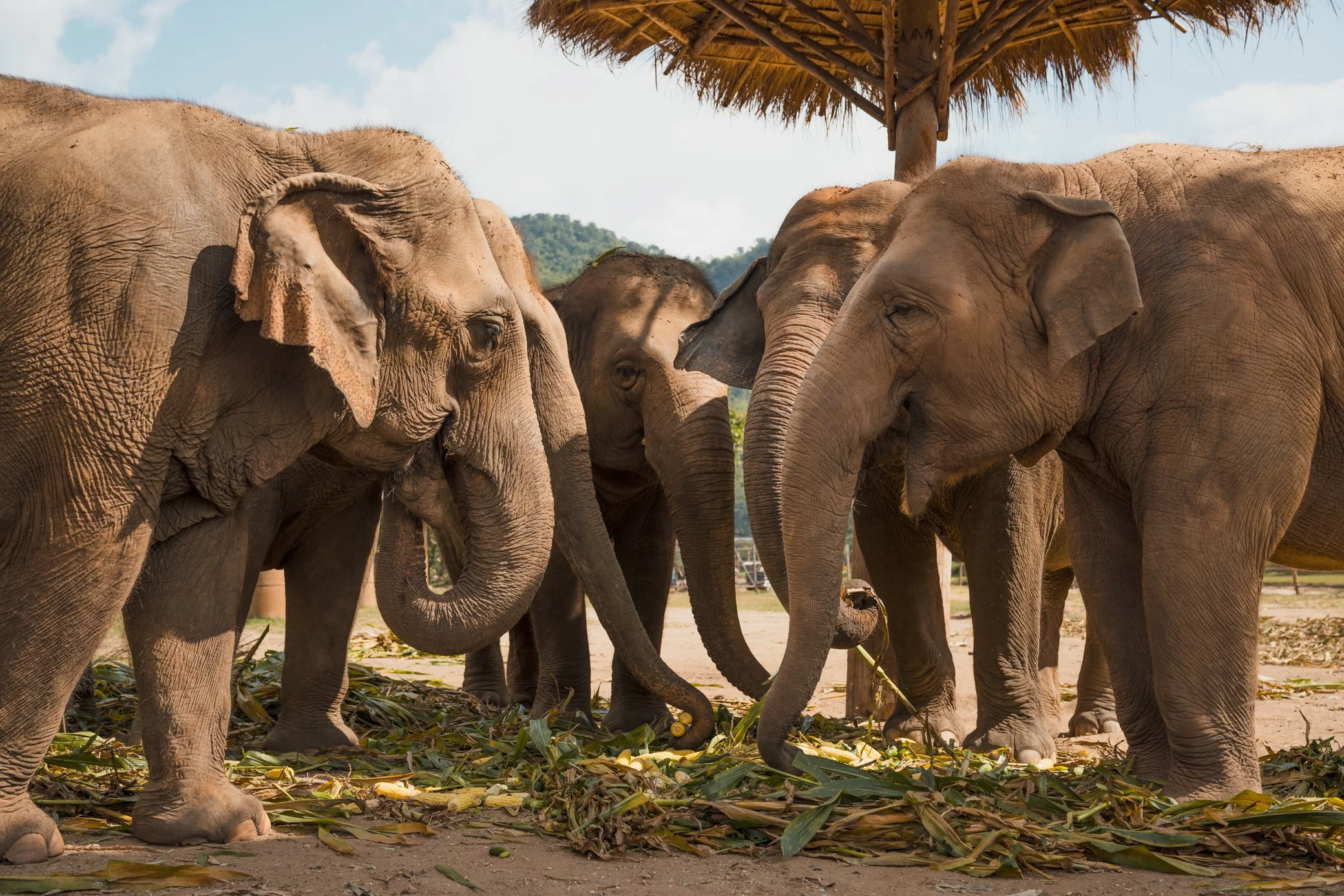
The Tour in Thailand project adheres to a strict “observation-only” policy for wildlife. Elephant Nature Park (ENP), founded by award-winning conservationist Lek Chailert, is the gold standard for this model. Home to over 100 rescued elephants, ENP prohibits riding and bathing, focusing instead on behavioral rehabilitation and natural observation. Travelers spend their day preparing medicinal supplements and observing social interactions from a respectful distance. This experience represents the pinnacle of an ethical elephant sanctuary in Chiang Mai, where the welfare of the animal is prioritized over the entertainment of the visitor.
I remember standing on the viewing platform at ENP as a herd of four females—all survivors of the logging and trekking industries—slowly made their way toward the river. There were no chains, no bullhooks, and no shouting. Just the sound of massive feet on soft earth and the low, rumbling communication that only elephants can do. Lek Chailert once told me, “We don’t own these elephants; we are just their guardians while they learn how to be elephants again.” In fifteen years of reporting on wildlife ethics, I have seen many facilities that claim to be “eco,” but ENP is one of the few that provides full transparency on where every baht of your entry fee goes: toward land acquisition and medical care for these gentle giants.
Why Ethical Wildlife Tourism Should Be on Your List Right Now
As we move through 2026, the demand for “Responsible Travel” has never been higher. Search volume for “sustainable travel” has increased by 191%, and modern travelers are increasingly prioritizing destinations that support wildlife conservation and minimize waste. Thailand has responded with the “Amazing Thailand Grand Tourism Year 2025” and “Action Plan 2026,” which focus on “Fascinating Experiences” that are ethically grounded.
Elephant Nature Park is a “Must See” for anyone who wants to understand the complexities of Asian elephant conservation. By choosing an observation-only sanctuary, you are helping to shift the entire industry away from exploitative practices. ENP doesn’t just rescue elephants; it works with local mahouts to provide fair employment and educates the public on the “Circular Economy” of sanctuary management, where elephant waste is turned into paper and compost for local farms.
Best Time to Visit & Practical Planning Tips
- Seasonality: The best time for ethical elephant sanctuary Chiang Mai visits is from November to February, when the weather is cool and the river is calm. However, the rainy season (June to October) offers a unique perspective as the park becomes a lush green paradise and the elephants love playing in the mud.
- Booking in Advance: Because ENP limits the number of visitors to minimize stress on the animals, tours often sell out months in advance. Use the Tour in Thailand platform to secure your spot and ensure your booking includes a contribution to the Thailand Environmental Fund.
- Logistics: The park is located about 60km north of Chiang Mai city. ENP provides its own transport in air-conditioned vans that pick you up from your hotel.
- Sample Budgets:
Top 5 Must-Experience Highlights at Elephant Nature Park
1. Social Herd Observation
Spend time on the skywalks observing how rescued elephants form new “chosen families.” Unlike trekking camps, here you see natural behaviors—play, grooming, and hierarchy—without human interference.
2. Preparing Medicinal Supplements
Join the “kitchen crew” to pound tamarind, salt, and grains into nutritional balls for the elderly elephants who can no longer chew raw vegetation. It’s a hands-on way to contribute to their health.
3. The “Cat Kingdom” and Dog Rescue
ENP is home to over 1,000 rescued dogs and hundreds of cats. Visiting these sections shows the park’s commitment to all animals and offers a chance to volunteer with smaller companions.
4. Educational Documentary Session
Every visit includes a briefing on the history of the “Phajaan” (the crushing of the spirit) and why the no-riding model is essential for the future of the species. It’s a powerful “Must Seek” educational moment.
5. Elephant PooPooPaper Park (Nearby Partner)
Visit this nearby eco-center to see how ENP’s “waste” is transformed into sustainable handmade paper. It’s a perfect example of the Circular Economy in action.
Detailed 2-Day “Compassionate Conservation” Itinerary
Day 1: The Heart of the Sanctuary
- 08:30 AM: Hotel pickup in Chiang Mai and drive to the park.
- 10:30 AM: Introduction to the herds and their individual rescue stories.
- 12:30 PM: “Sustainable Gastronomy” vegan buffet featuring organic local produce.
- 02:00 PM: Preparing afternoon treats and observing the river bath from the banks.
- 04:30 PM: Check into on-site accommodation (for overnight guests) and enjoy a sunset over the valley.
- Cost: ~3,500 THB.
Day 2: Multi-Species Impact
- 07:30 AM: Morning walk with the “Dog Squad”—helping exercise the park’s many rescued canines.
- 10:00 AM: Visit the elephant hospital and meet the specialized vet team.
- 01:00 PM: Lunch and community discussion on mahout rights and fair labor.
- 03:00 PM: Community Voting: Use the Tour in Thailand app to vote for the next land purchase project to expand the elephants’ roaming area.
- Cost: ~2,500 THB.
Where to Stay: Best Eco-Friendly & Authentic Accommodations
- Luxury Choice: Aleenta Retreat Chiang Mai: A SHA Plus certified retreat that prioritizes wellness and sustainability, perfectly complementing your ethical journey.
- Authentic Choice: ENP On-Site Lodging: Simple, clean, and allows you to wake up to the sound of elephant trumpeting. All proceeds go directly to animal care.
- Mid-Range: Away Chiang Mai Thapae: A “Vegan-friendly” hotel that aligns with ENP’s plant-based philosophy and sustainability goals.
Food & Local Cuisine Guide: Compassionate Dining
ENP serves only plant-based meals to minimize the environmental impact of livestock farming.
- Must-Try Dish: The park’s signature Pumpkin Curry made with organic pumpkins from the neighboring Mae Taeng community.
- The “Must Taste” Snack: Fresh seasonal fruits like mangosteen and rambutan, sourced directly from local orchards.
- Etiquette: ENP is a “Zero Waste” zone. Always use the designated bins for composting food scraps, which are used to fertilize the park’s vegetable gardens.
Sustainable & Responsible Travel Tips
- Hands-Off is Best: Follow the “observation-only” rule. Do not try to touch or feed the elephants unless specifically instructed by a guide.
- No Single-Use Plastics: Thailand’s national parks and eco-sites have a strict “No Foam, No Plastic” policy. ENP provides water refill stations; bring your own bottle!
- Support the Fund: Your booking through the marketplace contributes to the Thailand Environmental Fund. Don’t forget to vote for projects like the “Reef Restoration” or “Mangrove Protection” in other regions.
- Quiet Reflection: Keep your voice low when near the animals to maintain a peaceful environment for their rehabilitation.
Packing List & What to Know Before You Go
- Neutral Colors: Wear greens, tans, or greys to blend into the landscape and avoid agitating the wildlife.
- Sun & Bug Protection: Eco-friendly sunscreen and natural citronella repellent are essential.
- Towel and Change of Clothes: If you are staying overnight, the mountain air is humid and things get muddy!
- Educational Mindset: Come ready to learn about the harsh realities of the past so you can help build a better future.
Frequently Asked Questions (FAQ)
Why can’t I ride the elephants?
Riding requires the “Phajaan” (spirit-breaking) process and causes long-term spinal damage. ENP prioritizes the animal’s physical and mental health over human entertainment.
Is ENP suitable for children?
Absolutely! It is a wonderful place for “Nature-Based Learning,” where children can learn about empathy and conservation in a safe environment.
How does my visit help?
Beyond direct funding for care, your presence proves that “ethical tourism” is a viable business model, encouraging other camps to switch to the no-riding standard.
Conclusion: A Future of Respect
A visit to Elephant Nature Park is an acknowledgment that the “Soft Power” of Thailand includes our compassion for our national animal. By choosing an ethical elephant sanctuary in Chiang Mai, you aren’t just taking a tour; you are participating in a global movement to redefine how we interact with the natural world. You’ll leave the park not with a photo of yourself on an elephant’s back, but with something far more valuable: the sight of a creature finally at peace, and the knowledge that you helped keep it that way.
Ready to stand with the giants? Book your Elephant Nature Park visit today and cast your vote for wildlife dignity!

Comment (0)