
High-Altitude Heritage: A Guide to the Hloyo Akha Hill Tribe Experience and Sustainable Travel in Chiang Rai
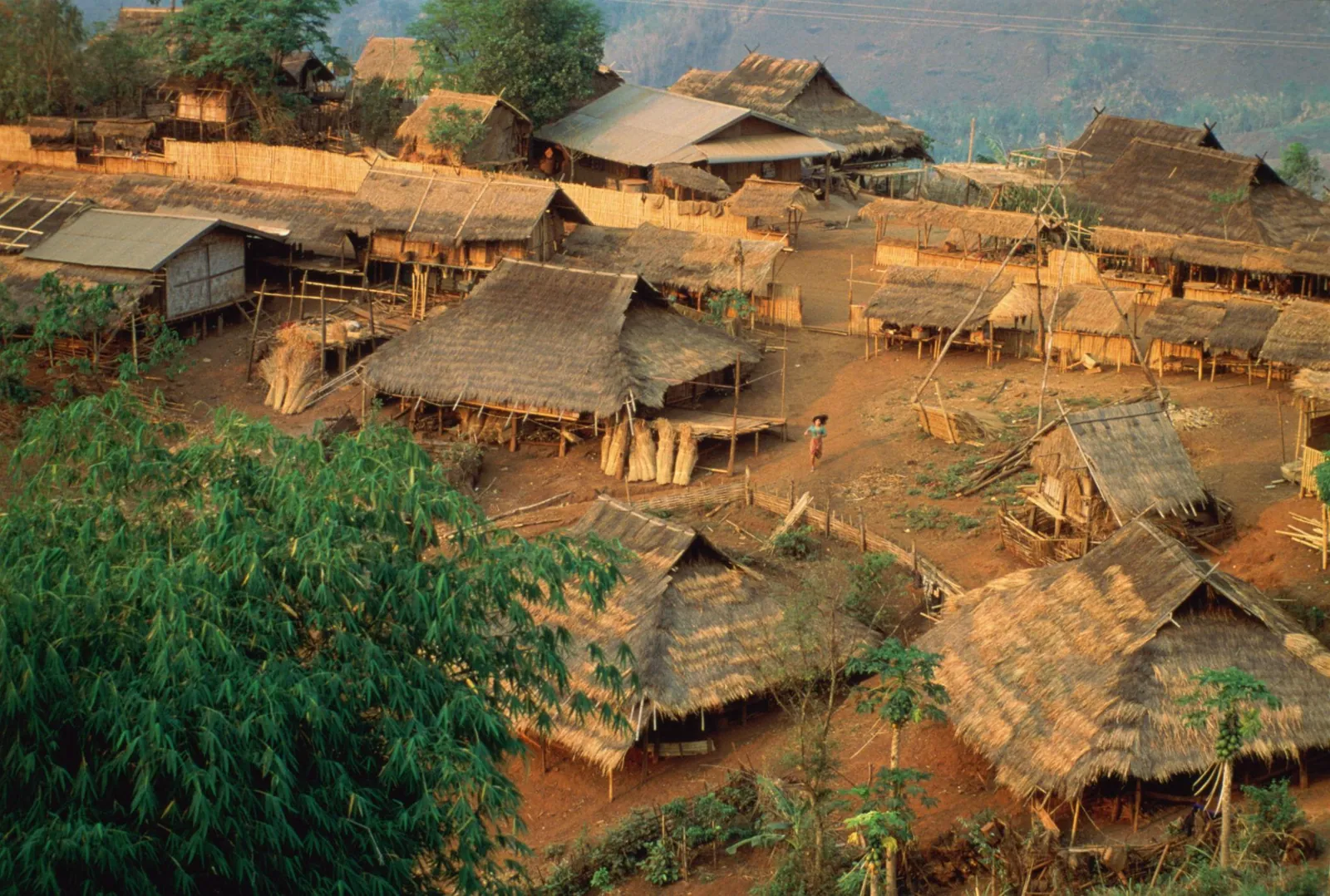
Perched high in the Doi Mae Salong mountain range, the community of Hloyo offers a profound look at the Akha way of life. This mountain-top homestay allows travelers to live in traditional houses and learn about Akha culture directly from the residents. The project creates alternate work for the community, preventing the need for urban migration and preserving the local dialect and crafts. Engaging with the Akha hill tribe experience in Chiang Rai is an act of supporting the “Circular Economy” of the highlands and ensuring that the unique “Soft Power” of Thailand’s ethnic minorities continues to thrive.
I remember waking up at Hloyo as the first light hit the bamboo walls of my traditional stilted house. The village was already alive with the sound of looms and the scent of roasting “Doi Chang” coffee. A local host, P’Apha, showed me the intricate silver headdress she had spent months crafting. “We don’t want to be a museum,” she said. “We want our children to be proud to live here, to stay here.” In my decade of traveling through the Golden Triangle, Hloyo remains the gold standard for “Must Seek” community-led tourism because it isn’t a performance for tourists—it is an invitation to join a family.
Why Hill Tribe Tourism Should Be on Your List Right Now
In 2026, the “Thailand Tourism Next” framework has identified the “Sub-Culture Economy” and “Regional Income Distribution” as key pillars for quality growth. The goal is to move away from mass-market tours that often exploit hill tribe communities and toward “Fascinating Experiences” where the locals are the owners and guides.
The Hloyo community is at the forefront of this shift. While northern Thailand was once synonymous with the opium trade, communities like Hloyo have transitioned to sustainable agriculture and high-value cultural tourism. By booking this Akha hill tribe experience in Chiang Rai, you are directly supporting the “7 Greens” initiative, specifically Green Community and Green Activity. Your tourism dollars stay in the village to fund youth education and the preservation of Akha oral history. As global travelers increasingly seek out “Conscious Travel,” this experience offers a way to connect with a unique culture while making a measurable social impact.
Best Time to Visit & Practical Planning Tips
- Weather & Seasons: The “Cool Season” (November to February) is perfect for the highlands, with clear skies and stunning mountain views. The “Rainy Season” (June to October) brings dramatic mist and makes the rice paddies vibrant green, though mountain roads can be challenging.
- The Alms Giving Factor: If you want to witness the peaceful morning alms-giving ceremony, stay overnight. It is a moment of deep spiritual connection for the village.
- Getting There: The village is about 1.5 hours from Chiang Rai city. For a sustainable arrival, use the “Green Logistics” shared transport options or hire an electric Tuk-Tuk for the final ascent.
- Sample Daily Budgets:
Top 5 Must-Experience Highlights in Hloyo
1. Traditional Akha Architecture Stay
Sleep in a hand-built bamboo house designed to stay cool in the summer and warm in the winter. It’s a “Must Seek” example of sustainable, indigenous design.
2. The “Bar-Hon” Doll Workshop
Learn to carve and paint traditional Akha puppets or “Bar-Hon” dolls. These toys represent the “Soft Power” of Akha craftsmanship and make for a perfect, ethical “Must Buy” souvenir.
3. Akha “Forest-to-Table” Cooking Class
Gather wild herbs from the village gardens and learn to cook traditional dishes like Akha Salad or smoked mountain pork over an open fire.
4. Sunrise Over the Golden Triangle
Get up early to hike to a hidden viewpoint. You can watch the sun rise over the overlapping mountains of Thailand, Myanmar, and Laos—a serene connection with nature.
5. Akha Craft & Textile Workshop
Try your hand at traditional weaving or silver jewelry making. These skills are passed down from generation to generation and represent the village’s commitment to “Intangible Cultural Heritage”.
Detailed 2-Day “Highland Heritage” Itinerary
Day 1: The Akha Welcome
- 10:30 AM: Arrive at Hloyo; welcome drink of mountain herbal tea.
- 11:30 AM: Walking tour of the community to see the “Gate of the Spirit” and learn village taboos.
- 01:00 PM: “Must Taste” lunch of Akha specialty dishes.
- 03:00 PM: Hands-on Akha crafts workshop—make your own bracelet.
- 06:30 PM: Traditional “Khantoke” dinner under the stars with village elders.
- Cost: ~2,500 THB.
Day 2: Nature and Resilience
- 05:30 AM: Sunrise trek to the highland viewpoint.
- 08:30 AM: Breakfast of organic mountain rice and fresh seasonal fruit.
- 10:30 AM: Visit the village “Seedling Bank” to plant a native tree as part of the forest restoration effort.
- 01:00 PM: Community Voting: Use the Tour in Thailand app to vote for the next village heritage project funded by the Thailand Environmental Fund.
- Cost: ~1,800 THB.
Where to Stay: Best Eco-Friendly & Authentic Accommodations
- Authentic Choice: Hloyo Community Homestays: Stay in traditional houses high on the mountain. Your booking fee directly supports the village’s socio-economic resilience.
- Mid-Range: Phunacome Resort (Regional Partner): Located in a nearby valley, this resort prioritizes “Sustainable Stays” and zero-waste dining.
- Luxury: Anantara Golden Triangle (Strategic Partner): For those seeking high-end eco-luxury, they offer inclusive tours that support the Hloyo community and local elephant conservation.
Food & Local Cuisine Guide: Highland Harvest
Akha food is fresh, pungent, and deeply tied to the land.
- Must-Try Dish: Akha Chili Paste (Nam Phrik Akha). It is unique for its use of “forest coriander” and toasted sesame seeds.
- Seasonal Special: Stir-fried wild mushrooms, foraged by villagers from the surrounding Doi Mae Salong forests.
- Etiquette: In Akha homes, it is polite to accept a second helping of tea. It is a sign that you are comfortable and happy in their home.
Sustainable & Responsible Travel Tips
- Respect the Spirit Gate: Every Akha village has a spirit gate. Never touch or walk through it without a guide, as it is a sacred boundary between the human and spirit worlds.
- Ask Before You Snap: This is a living village. Always ask permission before photographing people, especially elders in traditional dress.
- No Plastic in the Peaks: The highlands are sensitive ecosystems. Carry a reusable water bottle; Hloyo provides filtered mountain water refills.
- The Environmental Fund: When you book your Akha experience, a portion goes to the Thailand Environmental Fund. Don’t forget to vote on the platform for local highland conservation projects.
Packing List & What to Know Before You Go
- Warm Layers: Mountain nights can be very cold, even in the summer.
- Slip-on Shoes: You will be taking your shoes off constantly to enter traditional Akha homes.
- Natural Bug Spray: Citronella-based sprays are better for the mountain’s delicate biodiversity.
- Learning Mindset: Learn a few basic Akha words (“A-Bo-Da-Ye” for thank you) to build a quick connection with your hosts.
Frequently Asked Questions (FAQ)
Is this a “human zoo” experience?
Not at Hloyo. This is a community-owned project where the villagers are the hosts and decision-makers. It is designed to empower the community, not exploit them.
Do they have Wi-Fi?
Some homestays have limited Wi-Fi, but we recommend using this as an opportunity for a “digital detox” to connect with the mountain culture.
Is the road to Hloyo dangerous?
The road is paved but steep and winding. We recommend using a professional local driver who is experienced with highland terrain.
Conclusion: A High-Altitude Connection
Choosing the Akha hill tribe experience in Chiang Rai is an act of supporting a people who are the guardians of Thailand’s mountain heritage. It is a way to say that the value of a culture isn’t found in its souvenirs, but in its stories and its resilience. By staying at Hloyo, you aren’t just a tourist; you are a partner in the community’s journey toward a sustainable, self-sufficient future. You’ll leave the mountain peaks not just with a handmade bracelet, but with a deeper understanding of the intricate web that connects us all.
Ready to reach new heights? Book your Hloyo Akha adventure today and cast your vote for indigenous cultural preservation!

Comment (0)