
The Pilgrim’s Silence: A Guide to the Wat Pha Lat Jungle Hike and Sustainable Hiking in Chiang Mai
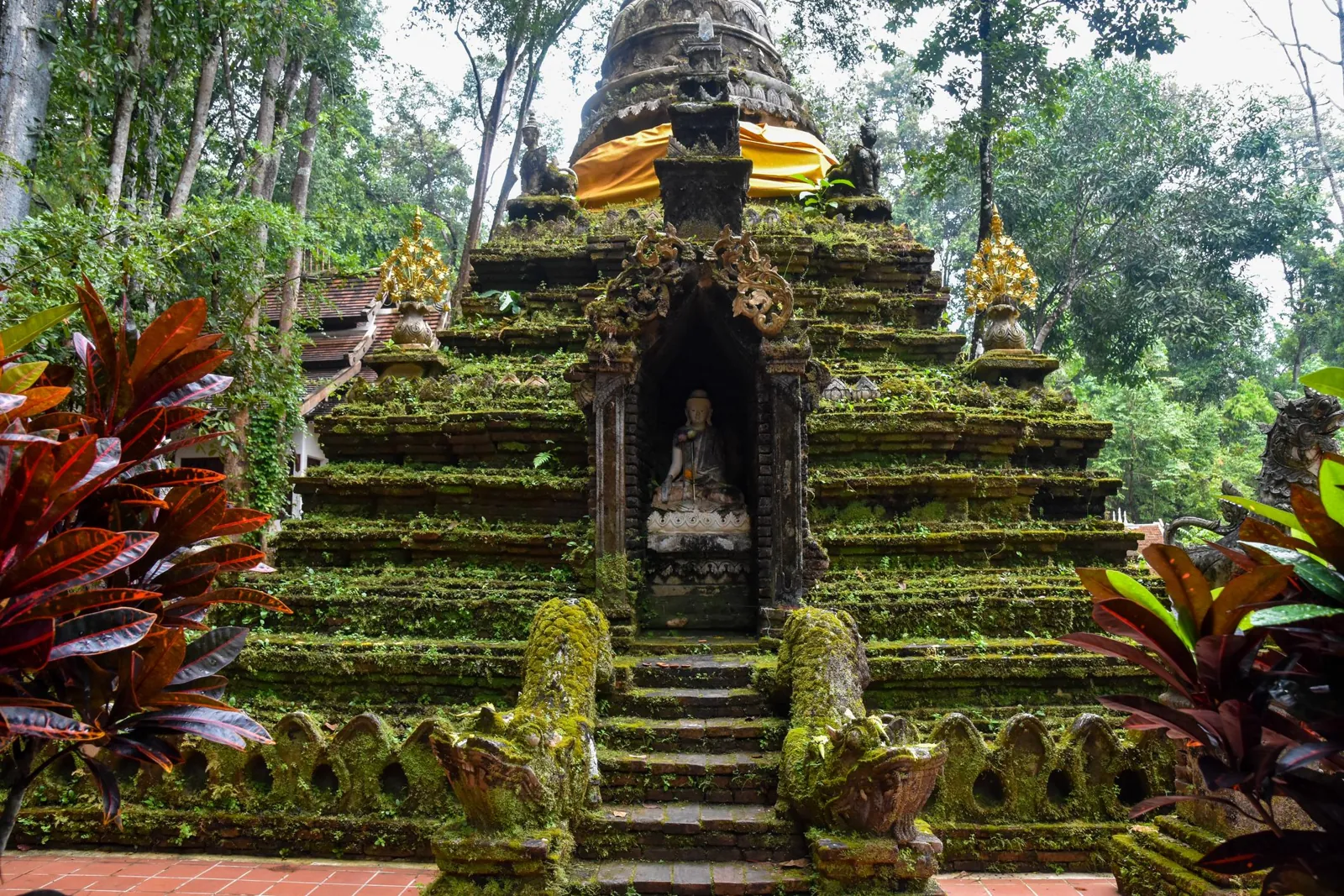
Hidden in the forest along the “Monk’s Trail” on Doi Suthep mountain, Wat Pha Lat offers a serene alternative to the crowded temple at the peak. This “Pilgrim’s Path” hike emphasizes the symbiotic relationship between Buddhism and environmental conservation. Engaging with the Wat Pha Lat hike in Chiang Mai is more than just an exercise; it is an act of sustainable hiking in Thailand that honors the “Soft Power” of Thai spirituality while promoting a “Value over Volume” approach to pilgrimage. By walking this path, you gain the context needed to understand why Doi Suthep is considered the “Mother Mountain” of the north.
I remember my first time stepping onto the “Pilgrim’s Path” just after sunrise. The forest was alive with the sound of bamboo cicadas and the distant, rhythmic clinking of temple bells. As I reached the stone bridge of Wat Pha Lat—covered in moss and framed by a trickling waterfall—I realized that this wasn’t a destination to be “checked off.” It was a sanctuary for the mind. A local monk, Phra Somchai, once told me, “We don’t build temples in the forest; we build them with the forest.” In my fifteen years of covering Southeast Asian heritage, the hike to Wat Pha Lat remains the most profound example of how nature and faith can breathe together in perfect silence.
Why Sustainable Hiking Should Be on Your List Right Now
As we move through 2026, the “Thailand Tourism Next” strategy has identified the “Life Economy” and “Wellness Tourism” as key pillars for quality growth. The goal is to move away from mass-market crowds and toward meaningful engagement with Thai identity.
The Wat Pha Lat jungle hike is the lighthouse for this movement. While the main Doi Suthep temple can draw thousands of visitors daily, Wat Pha Lat remains a quiet retreat for those willing to walk. By choosing this path, you are participating in a “Green Activity” that aligns with the “7 Greens” standard. The revenue generated from guided “Mindfulness Hikes” stays within the local guide cooperatives and the temple’s educational fund, ensuring that the “Soft Power” of northern Thai Buddhism continues to be shared respectfully. As conscious travelers increasingly seek out “Must Seek” hidden gems, this hike offers a way to experience the spiritual heart of Chiang Mai without the environmental footprint of heavy transport.
Best Time to Visit & Practical Planning Tips
- When to Go: The best time for the Wat Pha Lat hike in Chiang Mai is in the early morning (06:30 AM to 08:30 AM). You’ll catch the monks finishing their morning chores and the forest at its coolest.
- Weather: The “Cool Season” (November to February) is ideal. During the “Rainy Season” (June to October), the trail is lush and the waterfall is powerful, but be prepared for muddy sections.
- Getting There: The trailhead is located at the end of Suthep Road, near the Chiang Mai Zoo. For a truly sustainable arrival, take a shared “Songthaew” or use an electric bike to reach the base of the mountain.
- Sample Budgets:
Top 5 Must-Experience Highlights on the Wat Pha Lat Hike
1. The “Monk’s Trail” Ascent
Follow the ancient path marked by pieces of orange monk’s robes tied to the trees. This is a “Must Seek” example of sustainable, community-maintained trail markers.
2. The Stone Bridge and Waterfall
The heart of Wat Pha Lat. Unlike the gold-leafed temples in the city, this stone structure blends into the rock and water of the mountain. It’s a prime spot for “Forest Bathing” and quiet reflection.
3. Mindfulness Discussion with a Local Monk
Many guides now offer programs that include a sit-down discussion with the resident monks. You can learn about the link between Buddhist philosophy and the protection of nature.
4. The Lanna-Burmese Architectural Fusion
Look closely at the temple’s carvings and statues. You’ll see a unique blend of northern Thai (Lanna) and Burmese styles, a testament to the region’s rich cultural history.
5. Panoramic City View (without the crowds)
From the temple’s terraces, you can see all of Chiang Mai city through a frame of tropical leaves. It is a peaceful alternative to the busy viewing platforms at the peak.
Detailed 1-Day “Pilgrim’s Silence” Itinerary
- 06:30 AM: Meet your guide at the trailhead near Chiang Mai Zoo.
- 07:00 AM: Begin the 45-minute “Monk’s Trail” ascent through the bamboo forest.
- 08:00 AM: Arrive at Wat Pha Lat; witness the morning chanting of the monks.
- 09:30 AM: Guided tour of the temple’s “Circular Economy” heritage restoration projects.
- 11:00 AM: Meditation session by the waterfall.
- 12:30 PM: Plant-based “Sustainable Gastronomy” lunch at a nearby forest café.
- 02:00 PM: Community Voting: Use the Tour in Thailand app to vote for the next forest trail maintenance project on Doi Suthep.
- Cost: ~1,800 THB.
Where to Stay: Best Eco-Friendly & Authentic Accommodations
- Luxury Choice: The Dhara Dhevi Chiang Mai (Regional Partner): A resort that feels like a historic village, prioritizing cultural preservation and organic sourcing for its wellness menus.
- Mid-Range: 99 Heritage Hotel: Located in the Old City, this SHA Plus certified hotel has won awards for its heritage conservation and zero-waste policies.
- Budget Choice: Eco Resort Chiang Mai: Built in a former school, this hostel features massive gardens and a commitment to low-impact urban living.
Food & Local Cuisine Guide: Healing from the Forest
In the highlands, food is often viewed as “Forest Medicine.”
- Must-Try Dish: Gaeng Khae (Spicy Forest Curry). It is packed with seasonal mountain herbs and vegetables, traditionally used to boost vitality after a hike.
- The “Must Taste” Drink: Nam Matoom (Bael Fruit Tea). Known for its cooling properties and ability to soothe the stomach after physical activity.
- Etiquette: When visiting the temple, never bring meat or single-use plastics. Many forest monasteries have a “Zero Food Waste” policy, composting all leftovers for the temple gardens.
Sustainable & Responsible Travel Tips
- Respect the Robes: The trail markers are sacred. Do not touch or remove the orange cloths tied to the trees.
- Quiet Footsteps: Wat Pha Lat is a “Silence Zone.” Keep your voice low and your phone on silent to respect the monks’ meditation.
- Minimize Your Impact: Use the water refill stations located at the temple and avoid buying single-use plastic bottles.
- Support the Fund: When you book your hike through the platform, a portion of the fee goes to the Thailand Environmental Fund. Don’t forget to vote for projects like the “Doi Suthep-Pui Forest Patrol”.
Packing List & What to Know Before You Go
- Modest Hiking Gear: Wear lightweight, breathable clothing that covers your shoulders and knees.
- Sturdy Trail Shoes: The path is steep and can be slippery when wet.
- Reusable Kit: A cloth bag for your trash and a sturdy water bottle.
- Digital Prep: Download the Maps.Me Chiang Mai region for offline trail navigation.
Frequently Asked Questions (FAQ)
Is the hike difficult?
The hike to Wat Pha Lat is an “easy-to-moderate” 45-minute walk. However, it is an uphill climb, so a basic level of fitness is required.
Can I continue to the peak from Wat Pha Lat?
Yes! The “Monk’s Trail” continues for another 60-90 minutes to the famous Wat Phra That Doi Suthep at the summit.
Is there an entrance fee?
There is no entrance fee for Wat Pha Lat, but a donation of 100-200 THB is highly encouraged to support the temple’s forest conservation work.
Conclusion: Reclaiming the Silence
Hiking to Wat Pha Lat is an invitation to reconnect with the rhythms of the forest and the human spirit. In a world that often prioritizes the “view from the top,” Wat Pha Lat offers a different path—one rooted in balance, mindfulness, and the preservation of ancient wisdom. By choosing this sustainable hiking in Chiang Mai experience, you aren’t just a traveler; you are a guardian of Thailand’s spiritual heritage. You’ll leave the mountain not just with tired legs, but with a deeper appreciation for the “Soft Power” of a nation that has spent centuries learning how to heal.
Ready to find the silence? Book your Wat Pha Lat hike today and cast your vote for mountain trail preservation!
Meta Descriptions & Title Tags (Batch #2)
Meta Descriptions:
- Mae Kampong: Experience authentic community based tourism in Chiang Mai. Roast coffee and stay in traditional mountain homestays at Mae Kampong village.
- ENP: Visit the best ethical elephant sanctuary in Chiang Mai. Support observation-only wildlife tourism and rescue efforts at Elephant Nature Park.
- Hloyo: Discover the Hloyo Akha hill tribe experience in Chiang Rai. Stay in traditional bamboo houses and support sustainable indigenous tourism.
- Sticky Waterfalls: Scale nature’s ladder at the Sticky Waterfalls Chiang Mai. Guide to sustainable nature travel and Bua Tong falls.
- Wat Pha Lat: Hike the Monk’s Trail to Wat Pha Lat in Chiang Mai. Experience sustainable hiking and the hidden silence of Doi Suthep’s forest temple.

Comment (0)