
Beyond the Clouds: A Guide to Ban Mae Klang Luang and Sustainable Travel in Doi Inthanon
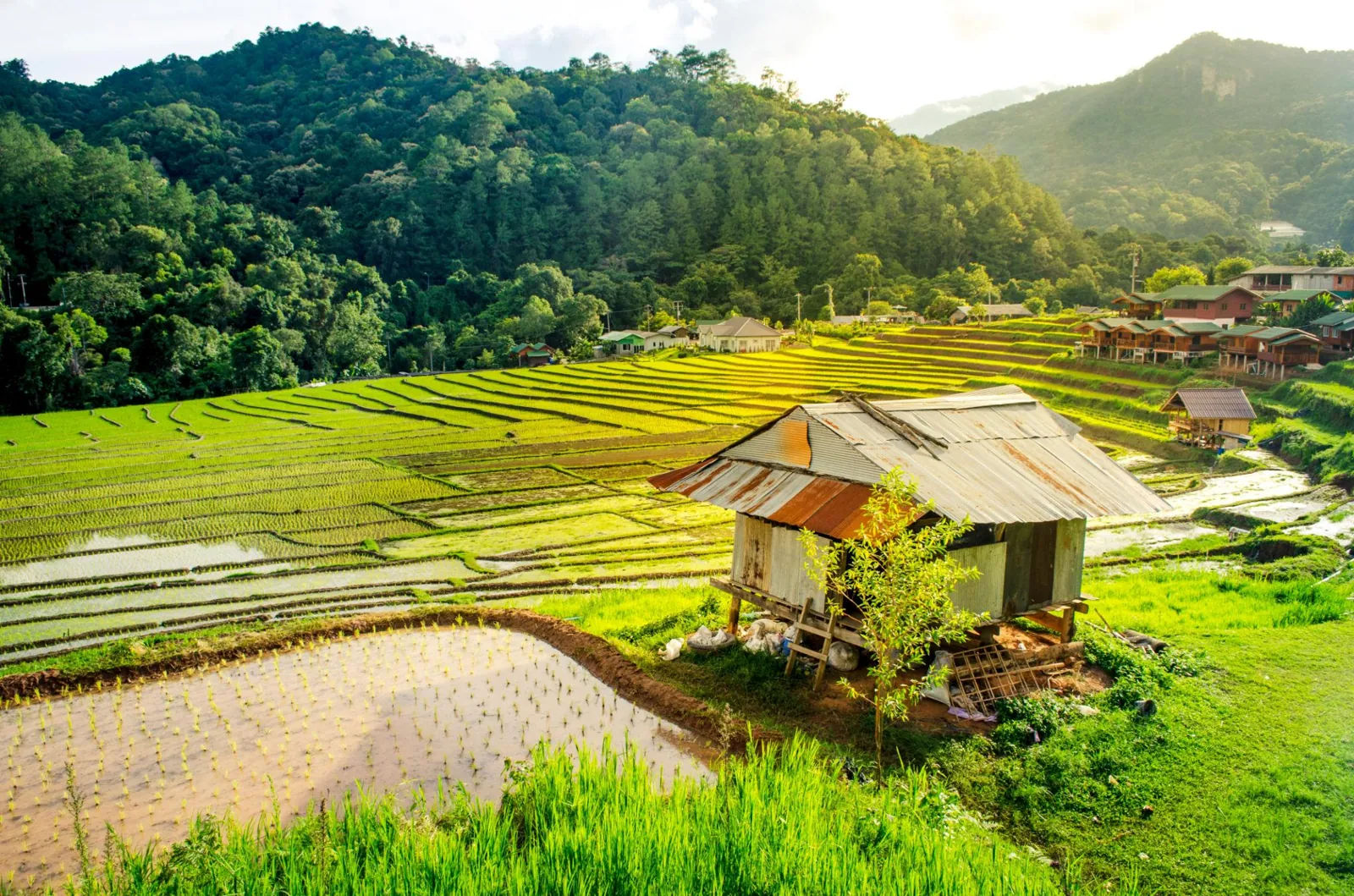
Nestled in the lush valleys of Thailand’s highest peak, Ban Mae Klang Luang is a Karen village that has undergone a remarkable transformation from opium cultivation to sustainable rice and coffee farming. As a cornerstone of sustainable travel in Doi Inthanon, this community offers visitors a rare chance to learn about the King’s Royal Projects, which have revolutionized sustainable agriculture in the highlands. Engaging with the village through its organic coffee trails and terraced rice paddies isn’t just a scenic escape; it’s an investment in a community that has chosen environmental stewardship over extractive industries.
I remember waking up at 5:00 AM to the sound of the Mae Klang River rushing past my wooden homestay. The mist was so thick it felt like the mountains were breathing. As I sat on the porch, a local Karen guide named P’Somsak handed me a bamboo cup of steaming Arabica. “Thirty years ago, these slopes were white with opium poppies,” he told me, gesturing toward the emerald-green rice terraces. “Now, they are green, and our children don’t have to leave the village to find work.” In fifteen years of reporting on rural development, I’ve found that few places illustrate the “Circular Economy” as vividly as Mae Klang Luang. Here, the coffee waste fertilizes the rice, and the tourism revenue protects the watershed for the entire valley.
Why Sustainable Travel in Doi Inthanon Should Be on Your List Right Now
As Thailand implements its “Thailand Tourism Next 2026” strategy, the focus has shifted toward the “Life Economy” and regional income distribution. Doi Inthanon, often crowded at the summit, is being reimagined as a destination for “Fascinating Experiences” in its lower valleys.
Ban Mae Klang Luang is the lighthouse for this movement. Under the national “7 Greens” initiative, the village has become a benchmark for “Green Community” standards. By visiting now, you are participating in a model of regenerative tourism that directly combats “tourism leakage”. Instead of booking through large city-based agencies, the Tour in Thailand model ensures that the majority of your fee stays with the Karen families who manage the land. This is “Value over Volume” in its purest form—where the success of your trip is measured by the quality of the interaction and the resilience of the ecosystem.
Best Time to Visit & Practical Planning Tips
To experience the “Golden Fields” and the “Sea of Mist,” timing is everything.
- Weather & Seasons:
- Logistics: The village is located at KM 26 on the road to the summit of Doi Inthanon. For a sustainable arrival, use the “Green Logistics” electric shuttle from Chiang Mai or a shared “Songthaew” to reduce carbon emissions.
- Sample Budgets:
Top 5 Must-Experience Highlights in Ban Mae Klang Luang
1. The Organic Coffee Trail
Follow the “Seed to Cup” journey. Walk through shade-grown Arabica plantations where coffee is interplanted with native trees to preserve biodiversity. You’ll learn to hand-roast beans over an open fire and taste the unique “terroir” of the highlands.
2. Pha Dok Siew Waterfall Trek
Led by a Karen guide, this 2-hour trail takes you through the “Middle Forest” to a stunning multi-tiered waterfall. Along the way, your guide will point out medicinal plants and traditional traps used by ancestors—a masterclass in “Nature-Based Learning.”
3. Terraced Rice Cultivation
Depending on the season, you can join the villagers in planting or harvesting rice. This isn’t a performance; it’s an invitation to understand the labor-intensive reality of highland farming and the importance of organic methods in protecting the river.
4. Winter Bird Watching
Doi Inthanon is a global hotspot for birders. The village provides specialized local guides who can help you spot the Green-tailed Sunbird or the Ashy Throat Warbler. It’s a prime example of “High-Value” niche tourism.
5. The Sufficiency Economy Workshop
Learn how the village uses King Rama IX’s “Sufficiency Economy Philosophy” to manage water and waste. See the community-run hydroelectric systems and the organic composting centers that turn agricultural waste into wealth.
Detailed 3-Day “Highland Heritage” Itinerary
Day 1: The Coffee and the Clouds
- 08:30 AM: Arrive at the village; welcome drink of fresh mountain coffee.
- 10:30 AM: Immersive Coffee Workshop—learn traditional roasting techniques.
- 12:30 PM: “Must Taste” lunch of Khao Soi made with locally foraged herbs.
- 02:30 PM: Walking tour of the village to see the Royal Project greenhouses.
- 06:30 PM: Traditional Karen dinner with your homestay host.
- Cost: ~2,200 THB.
Day 2: Water and Wildlife
- 07:00 AM: Morning bird watching at the edge of the forest.
- 09:30 AM: Guided trek to Pha Dok Siew Waterfall.
- 12:30 PM: Picnic lunch by the falls using bamboo containers.
- 03:00 PM: Visit the “Mae Baan” (Housewife) weaving cooperative to learn about natural indigo dyeing.
- Cost: ~1,800 THB.
Day 3: Impact and The Summit
- 08:00 AM: Sustainable ascent to the summit of Doi Inthanon for a “Forest Bathing” walk on the Ang Ka Nature Trail.
- 12:00 PM: Community Voting: Use the Tour in Thailand app to vote for the next forest patrol or trail maintenance project funded by the Environmental Fund.
- Cost: ~1,200 THB.
Where to Stay: Best Eco-Friendly & Authentic Accommodations
- Authentic Choice: Ban Mae Klang Luang Homestays: There are over 20 registered houses. Your stay supports local hospitality training and ensures 100% of the revenue stays in the village.
- Mid-Range: Inthanon Eco Hut: Located just outside the village, these huts focus on low-impact design and use solar energy for lighting.
- Luxury Partner: Raya Heritage (Regional Base): While in Chiang Mai, they partner with the village for exclusive cultural tours that prioritize ethical engagement and fair pay for Karen guides.
Food & Local Cuisine Guide: Tasting the Highlands
Eating in Mae Klang Luang is a lesson in “Sustainable Gastronomy.”
- Must-Try Dish: Moo Sa-ngia (Karen-style smoked pork) served with organic red rice.
- Seasonal Special: Stir-fried “Chayote” shoots, grown without pesticides in the village gardens.
- Etiquette: When dining in a Karen home, it is polite to say “Tablu” (Thank you) to the cook.
Sustainable & Responsible Travel Tips
- Respect the Water: Ban Mae Klang Luang is a critical watershed. Never use chemical soaps in the river or waterfalls.
- No Plastic in the Peaks: Thailand has banned single-use plastics in all national parks. Carry a reusable bottle; the village coffee shop offers filtered mountain water refills.
- Support Local Makers: Buy a hand-woven Karen tunic or a bag of organic beans directly from the village shop to ensure fair-trade benefits.
- Cast Your Vote: After your visit, use your “Impact Token” on the marketplace to support the community’s fire prevention fund.
Packing List & What to Know Before You Go
- Warm Layers: Even in summer, Doi Inthanon can be chilly. In winter, temperatures can drop to near freezing.
- Sturdy Trail Shoes: The paths to the waterfalls can be slippery and steep.
- Natural Bug Spray: Choose citronella-based sprays to protect the mountain’s delicate biodiversity.
- Cultural Sensitivity: This is a Christian Karen community. Dress modestly (shoulders and knees covered) when exploring the village center.
Frequently Asked Questions (FAQ)
Is it difficult to reach the village?
The village is very accessible by car or shared transport. It is located directly on the main highway of the national park, about 90 minutes from Chiang Mai.
Do I need a guide for the waterfall trek?
Yes. To ensure safety and community benefit, a Karen guide is mandatory for the Pha Dok Siew trail. They provide invaluable context on the local flora and fauna.
How does my visit support the King’s Royal Projects?
The village is a model of the project’s success. Your presence proves that sustainable agriculture and tourism are viable alternatives to deforestation and illegal crops.
Conclusion: A Journey of Resilience
Visiting Ban Mae Klang Luang is more than just a mountain getaway; it is a pilgrimage to the heart of Thailand’s sustainable future. By choosing sustainable travel in Doi Inthanon, you aren’t just a tourist; you are a witness to a community that has reclaimed its land and its dignity. You’ll leave the highland mist not just with a bag of coffee, but with a deeper understanding of the “Value over Volume” movement that is making the “Land of Smiles” a more resilient home for everyone.
Ready to reach new heights? Book your Mae Klang Luang experience today and cast your vote for highland conservation!

Comment (0)