
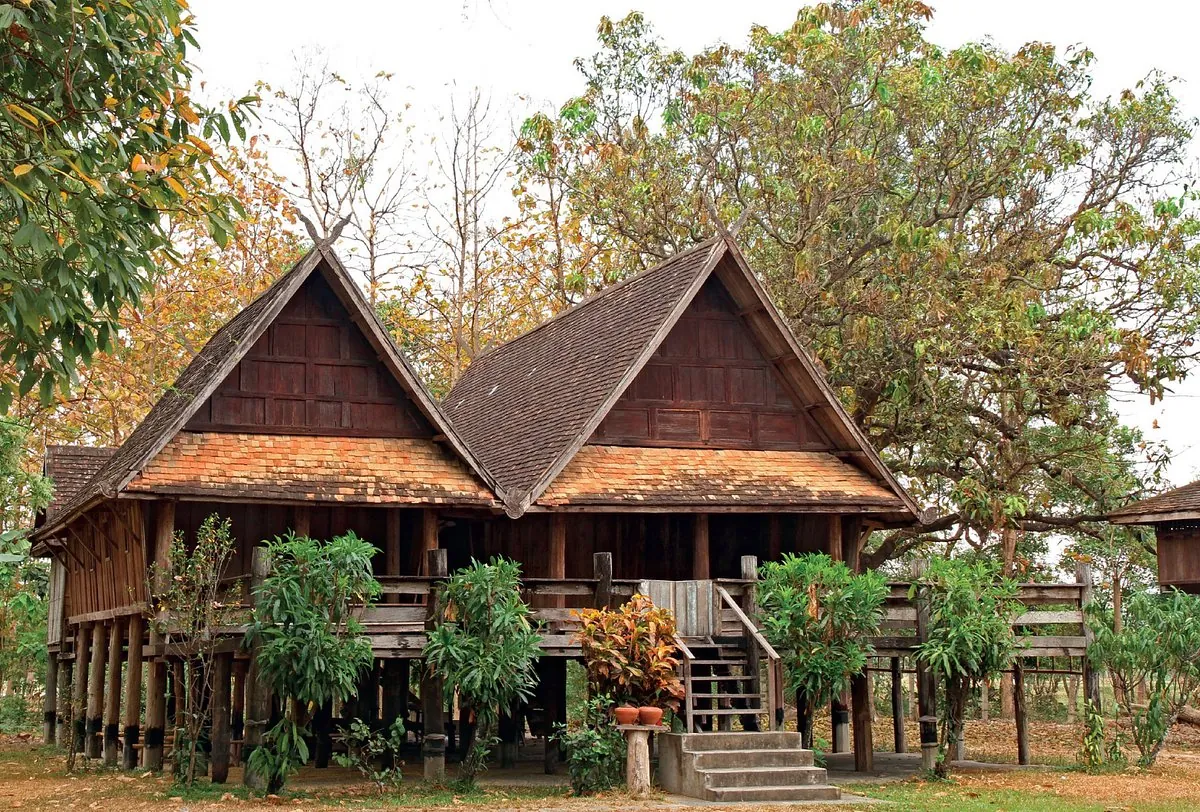
Architecture of Wisdom: A Guide to the Lanna Traditional House Museum and Cultural Heritage in Chiang Mai
Located at Chiang Mai University, this site preserves 10 traditional Lanna houses and 4 rice granaries, serving as a repository for historical architectural wisdom and craftsmanship. The Lanna Traditional House Museum is more than just a collection of buildings; it is a center for the preservation of “Intangible Cultural Heritage” and a highlight of sustainable travel in Chiang Mai. By visiting, you are directly supporting the “Circular Economy” of traditional knowledge and ensuring that the “Soft Power” of Northern Thai architecture continues to inspire future generations.
I remember my first walk through the museum grounds. The smell of sun-warmed teak and jasmine was intoxicating. As I climbed the steep wooden stairs of the “Kalae House,” I felt the temperature drop naturally—a testament to the “Green Building” wisdom of the ancestors. A local student-guide, Khun Nopporn, pointed to the intricate “Kalae” (carved wooden eaves) on the roof. “These aren’t just for decoration,” he said. “They are the wings of the house, protecting the family and the spirits.” In fifteen years of covering Southeast Asian heritage, I’ve found that few places manage to feel both like a museum and a living room, but the Lanna Traditional House Museum does exactly that.
Why Cultural Heritage Preservation Should Be on Your List Right Now
As Thailand moves through 2026, the “Thailand Tourism Next” strategy has identified the “Sub-Culture Economy” and “Regional Income Distribution” as key pillars for quality growth . The goal is to move away from mass-market crowds and toward meaningful engagement with Thai identity through “Fascinating Experiences”.
The Lanna Traditional House Museum is the anchor for this movement in the north. Under the national “7 Greens” standard, the museum has become a benchmark for “Green Community” and “Green Learning” principles. By visiting now, you are participating in a model of regenerative tourism that directly combats “tourism leakage”. The revenue from your entry fee stays within the university’s research and restoration funds, ensuring that the “Soft Power” of northern Thai architecture continues to be shared respectfully. As conscious travelers increasingly seek out “Must Seek” hidden gems that offer health benefits and cultural depth, this site offers a way to experience the spiritual heart of Chiang Mai without the environmental footprint of heavy transport.
Best Time to Visit & Practical Planning Tips
To experience the museum without the midday sun, a bit of strategy is essential.
- When to Go: The museum is open Monday to Friday (08:30 AM to 04:30 PM). Aim for the 09:00 AM slot to enjoy the morning light and avoid the peak afternoon humidity.
- Weather: Being mostly outdoors but well-shaded, the museum is pleasant year-round. The “Cool Season” (November to February) is spectacular for wandering the gardens.
- Getting There: Skip the gridlocked taxis. Take the city’s new electric bus service to the Chiang Mai University main gate. From there, it’s a pleasant 10-minute walk through the campus or a short electric Tuk-Tuk ride to the museum entrance.
- Sample Budgets:
Top 5 Must-Experience Highlights at Lanna Traditional House Museum
1. The Kalae House (Traditional Teak)
The crown jewel of the collection. You’ll see the “Green Building” techniques used by the Lanna ancestors, including natural ventilation and elevated floors to prevent flood damage—a masterclass in “Nature-Based Learning.”
2. The Traditional Rice Granaries
Learn about the “Circular Economy” of ancient farming. These structures show how the community managed its food security and waste, providing essential context for your visits to highland villages like Mae Kampong.
3. The “Kru A-kae” Wood Carving Workshop
Watch master artisans at work and participate in a sustainable wood-carving session. You’ll learn how they use local, sustainable timber to create the “Must Buy” handicrafts that support the grassroots economy.
4. The Museum’s “Blue Economy” Gardens
Explore the grounds to see how the university manages its water and biodiversity. You’ll see native Thai plants and herbs used in traditional “Life Economy” medicine.
5. Student-Led Cultural Storytelling
The guides are often architecture and history students. Their passion for the “Soft Power” of their heritage adds a layer of depth that you won’t find in a standard guidebook.
Detailed 1-Day “Architecture of Wisdom” Itinerary
- 09:00 AM: Arrive at the museum via electric transport.
- 09:30 AM: Full 2-hour guided tour of the 10 traditional houses.
- 11:30 AM: Hands-on wood carving or weaving workshop with a local artisan.
- 12:30 PM: “Sustainable Gastronomy” lunch at a nearby university café—try the Khao Soi made with local farm ingredients.
- 02:30 PM: Visit the museum’s “Life Economy” herbal garden to learn about medicinal plants.
- 04:00 PM: Community Voting: Use the Tour in Thailand app to vote for the next heritage restoration project in the Chiang Mai district.
- Cost: ~1,200 THB.
Where to Stay: Best Eco-Friendly & Authentic Accommodations
- Luxury Partner: Raya Heritage Chiang Mai: A restored boutique manor that prioritizes zero-waste and organic gardening, located just a short drive from the museum.
- Mid-Range: 99 Heritage Hotel: An SHA Plus certified riverside hotel that uses renewable energy and supports local waste management initiatives.
- Budget Partner: Eco Resort Chiang Mai: Built in a former school, this hostel features massive gardens and a commitment to low-impact urban living.
Food & Local Cuisine Guide: Tasting the Lanna Heart
Eating in the museum district is a lesson in “Must Taste” authenticity.
- Must-Try Dish: Gaeng Hang Lay (Northern Thai Pork Curry). This dish is the ultimate example of “Life Economy” wellness food—packed with ginger and spices used for digestion.
- The “Must Taste” Drink: Nam Matoom (Bael fruit tea). Known for its cooling properties and ability to soothe the stomach after a walk in the sun.
- Etiquette: When dining in the historic district, always look for the “Thailand Good Travel” mark, certifying that the restaurant supports local farmers and manages waste responsibly.
Sustainable & Responsible Travel Tips
- Respect the Space: This is a place of learning. Keep your phone on silent and engage with the digital displays to understand the “Soft Power” of the kingdom.
- Minimize Your Footprint: Use the water refill stations located throughout the museum and avoid buying single-use plastic bottles from street vendors.
- Support the Fund: When you book your museum experience through the platform, a portion of the fee goes to the Thailand Environmental Fund. Don’t forget to cast your vote on which heritage restoration or forest project should receive funding.
- Dressing for Respect: Although it’s a museum, it’s located on university grounds. Ensure your shoulders and knees are covered as a sign of respect for the culture.
Packing List & What to Know Before You Go
- Slip-on Shoes: You will be taking your shoes off constantly to enter the traditional houses.
- Light, Breathable Clothing: The gardens can be humid, so wear cotton or linen.
- Reusable Kit: A cloth bag for your DIY creations and a sturdy water bottle.
- Connectivity: The museum has excellent Wi-Fi, but download the Tour in Thailand app to access the AI-powered digital architect guide.
Frequently Asked Questions (FAQ)
Is there an entrance fee for the museum?
Entrance to the grounds is 50 THB for adults. Donations are highly encouraged to support the university’s heritage restoration work.
Are the houses original?
Yes! Most of the houses were donated by local families and moved to the university grounds to ensure their preservation for future generations.
Is the museum accessible for travelers with mobility issues?
While the traditional houses have steep stairs, the gardens and ground-level pavilions are accessible. Operators like Tripseed can arrange specialized tours.
Conclusion: A Living Legacy of Balance
Visiting the Lanna Traditional House Museum is an invitation to reconnect with the rhythms of northern Thai life. In a world that often prioritizes speed over substance, this museum offers a different path—one rooted in balance, mindfulness, and the preservation of ancient wisdom. By choosing this sustainable travel in Chiang Mai experience, you aren’t just a traveler; you are a guardian of Thailand’s intangible heritage. You’ll leave the museum not just with photos of teak houses, but with a deeper appreciation for the “Soft Power” of a nation that has spent centuries learning how to live in harmony with the Earth.
Ready to uncover the heart of the Lanna Kingdom? Book your museum experience today and cast your vote for local cultural preservation!

Comment (0)