
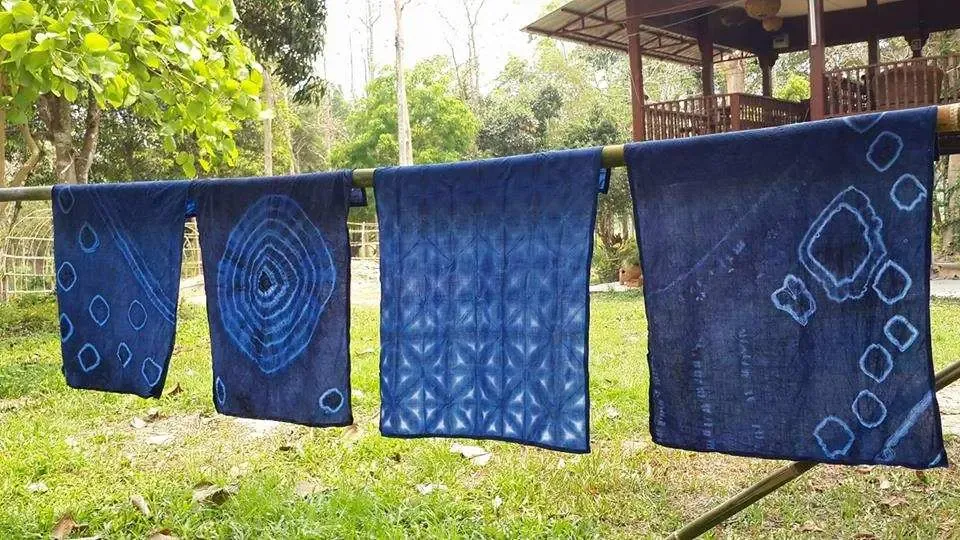
The Blue Alchemy: A Guide to Mae Rim Indigo Dyeing and Sustainable Fashion in Chiang Mai
In the lush valleys of Mae Rim, visitors can learn the traditional art of indigo dyeing from local artisans. This activity supports the use of natural, plant-based dyes over harmful chemical alternatives. Engaging with sustainable fashion in Chiang Mai through an indigo workshop is an act of supporting the “Circular Economy” of traditional textiles and ensuring that the unique “Soft Power” of Thailand’s ethnic minority and Lanna crafts continues to thrive. By participating, you are directly investing in the livelihoods of local makers and the health of the mountain ecosystem.
I remember my first time dipping a piece of white cotton into a bubbling vat of fermented indigo. The smell was earthy and organic, like damp forest soil after rain. A master dyer, Auntie Orathai, showed me how the color changes from green to brilliant blue as it meets the air. “Indigo is alive,” she told me. “It breathes, just like we do. If you treat it with respect, it will give you a color that lasts a lifetime.” In fifteen years of reporting on global craftsmanship, I’ve found that few things illustrate the “Value over Volume” philosophy as vividly as the slow, careful process of natural dyeing. It is a “Must Try” experience that connects your wardrobe with the Earth.
Why Sustainable Fashion Should Be on Your List Right Now
As Thailand moves toward its “Thailand Tourism Next 2026” goals, the “Circular Economy” and “Soft Power” have become central pillars of the national strategy. The objective is to encourage travelers to choose “Must Buy” local handicrafts over mass-produced factory goods.
The Mae Rim indigo dyeing workshops are the lighthouse for this movement. While the global textile industry is one of the world’s largest polluters, traditional Thai indigo uses plant-based materials that are safe for the water and the soil. By visiting, you are participating in a model that supports the “7 Greens” initiative—specifically Green Heart and Green Community. As conscious travelers increasingly seek out “Conscious Travel” experiences that offer personal growth and ethical consumption, these workshops provide a way to create your own “Must Buy” souvenir that is 100% sustainable and deeply meaningful.
Best Time to Visit & Practical Planning Tips
To enjoy the workshop without the midday sun, a bit of strategy is essential.
- When to Go: The workshops in Mae Rim typically run daily. Aim to arrive at 09:30 AM to enjoy the morning light and avoid the peak afternoon humidity. The dyeing process takes about 2-3 hours, depending on the complexity of your design.
- Weather: Like the rest of the north, the cool season (November to February) is ideal. Being mostly outdoors but well-shaded, the workshop areas remain pleasant year-round.
- Getting There: The workshops are located about 30 minutes north of Chiang Mai city. Skip the taxi and use an electric Tuk-Tuk or the city’s new “Green Logistics” shared van service from the Old City.
- Sample Budgets:
Top 5 Must-Experience Highlights in Mae Rim Indigo Dyeing
1. The Fermented Indigo Vat (The “Living” Blue)
Learn the science of the indigo vat. You’ll see how the leaves of the Indigofera tinctoria plant are fermented to create the dye. It’s a “Must Seek” education in the “Circular Economy” of natural colors.
2. Traditional Resist Techniques (Tie-Dye and Wax)
Watch master artisans demonstrate ancient Lanna resist methods. You’ll learn how to use rubber bands, wood blocks, or wax to create intricate patterns—a masterclass in “Intangible Cultural Heritage.”
3. Your Own “Must Buy” Creation
Roll up your sleeves and create your own wearable art. Whether it’s a scarf, a tote bag, or a shirt, you’ll leave with a unique item that supports the grassroots economy and the “7 Greens” standard.
4. Plant-Based Color Identification
Explore the gardens to see other plants used for natural dyes, such as ebony fruit (black) and lac extract (red). It’s a hands-on look at the biodiversity of the northern forests.
5. The “Circular” Craft Shop
Even if you don’t have time for a workshop, the shop is a masterclass in eco-design. Look for upcycled products made from textile scraps, showing how the “Circular Economy” can scale beyond just dyeing.
Detailed 2-Day “Blue Alchemy” Itinerary
Day 1: The Alchemy
- 09:30 AM: Arrive at the Mae Rim workshop via electric transport.
- 10:00 AM: Full guided workshop—learn the history and process of indigo.
- 12:30 PM: “Sustainable Gastronomy” lunch at the workshop’s garden café featuring local organic greens.
- 02:30 PM: Final dyeing session and reflection on the “7 Greens” of sustainable travel.
- 04:30 PM: Community Voting: Use the Tour in Thailand app to vote for the next textile heritage project funded by the Environmental Fund.
- Cost: ~1,500 THB.
Day 2: The Forest Connection
- 08:00 AM: Head to the nearby Elephant Nature Park (a fellow Tour in Thailand partner) to see how ethical tourism supports wildlife conservation.
- Cost: ~3,500 THB.
Where to Stay: Best Eco-Friendly & Authentic Accommodations
- Luxury: Raya Heritage Chiang Mai: A boutique riverside hotel that prioritizes local craftsmanship and zero-waste dining, making it the perfect high-value base for your Mae Rim trips.
- Mid-Range: Maraya Hotel & Resort: Located on the Ping River, this SHA Plus certified hotel has strong sustainability standards and offers easy access to the northern nature routes.
- Budget: Eco Resort Chiang Mai: Built in a former school, this hostel features massive gardens and a commitment to low-impact urban living.
Food & Local Cuisine Guide: Tasting the Valley
The Mae Rim area is a “Must Taste” for farm-to-table dining.
- Must-Try Dish: Gaeng Khae (Spicy vegetable soup with herbs) at a nearby organic farm.
- The “Must Taste” Drink: Fresh lemongrass and honey tea, served in a reusable bamboo cup.
- Etiquette: The workshops are often “Zero Waste” zones. Always use the designated bins for composting any food scraps from the café.
Sustainable & Responsible Travel Tips
- Wear Old Clothes: Indigo is a permanent dye. You will be given an apron, but it’s best to wear something you don’t mind getting a little “blue” on.
- Support Local Makers: Buy your supplies and extra crafts directly from the artisans. This ensures that 100% of your money goes to the producer rather than a middleman.
- Minimize Water Waste: The indigo process requires water. Most workshops use recycling systems. As a visitor, use the water refill stations and avoid single-use plastics.
- Support the Fund: Every booking through the marketplace includes a contribution to the Thailand Environmental Fund. Don’t forget to vote on the platform for local forest or craft restoration projects.
Packing List & What to Know Before You Go
- Breathable, Washable Clothing: Essential for a day in the garden and workshop.
- Sun Protection: The workshop areas are shaded, but the gardens are in the sun.
- Reusable Kit: A cloth bag for your DIY creations and a sturdy water bottle.
- Connectivity: The workshops have excellent Wi-Fi, but download the Tour in Thailand app beforehand to access the “Blue Alchemy” digital guide.
Frequently Asked Questions (FAQ)
Is the indigo dye safe for my skin?
Yes! Natural indigo is a plant-based material that has been used for centuries. It is safe for the skin and doesn’t contain the harsh chemicals found in synthetic dyes.
Can I bring my own items to dye?
Most workshops allow you to bring one small cotton or linen item from home. This is a great way to “upcycle” an old shirt and give it a second life!
How long will the color last?
Natural indigo is incredibly durable. If you follow the care instructions (wash in cool water, dry in shade), the color will remain vibrant for many years.
Conclusion: A Wardrobe with a Soul
Choosing a Mae Rim indigo dyeing workshop is an act of supporting a fashion industry that is trying to find its balance. It is a way to say that the value of a garment isn’t in its brand name, but in its story and its impact. By creating your own blue alchemy, you aren’t just a tourist; you are a witness to Thailand’s resilience. You’ll leave the valley not just with a beautiful scarf, but with the peace of mind that comes from knowing that in the circle of life, everything has value.
Ready to get your hands blue for the planet? Book your indigo experience today and cast your vote for local craft innovation!

Comment (0)