
The Gleam of the Ancestors: A Guide to the Wualai Silver Temple and Heritage Preservation in Chiang Mai
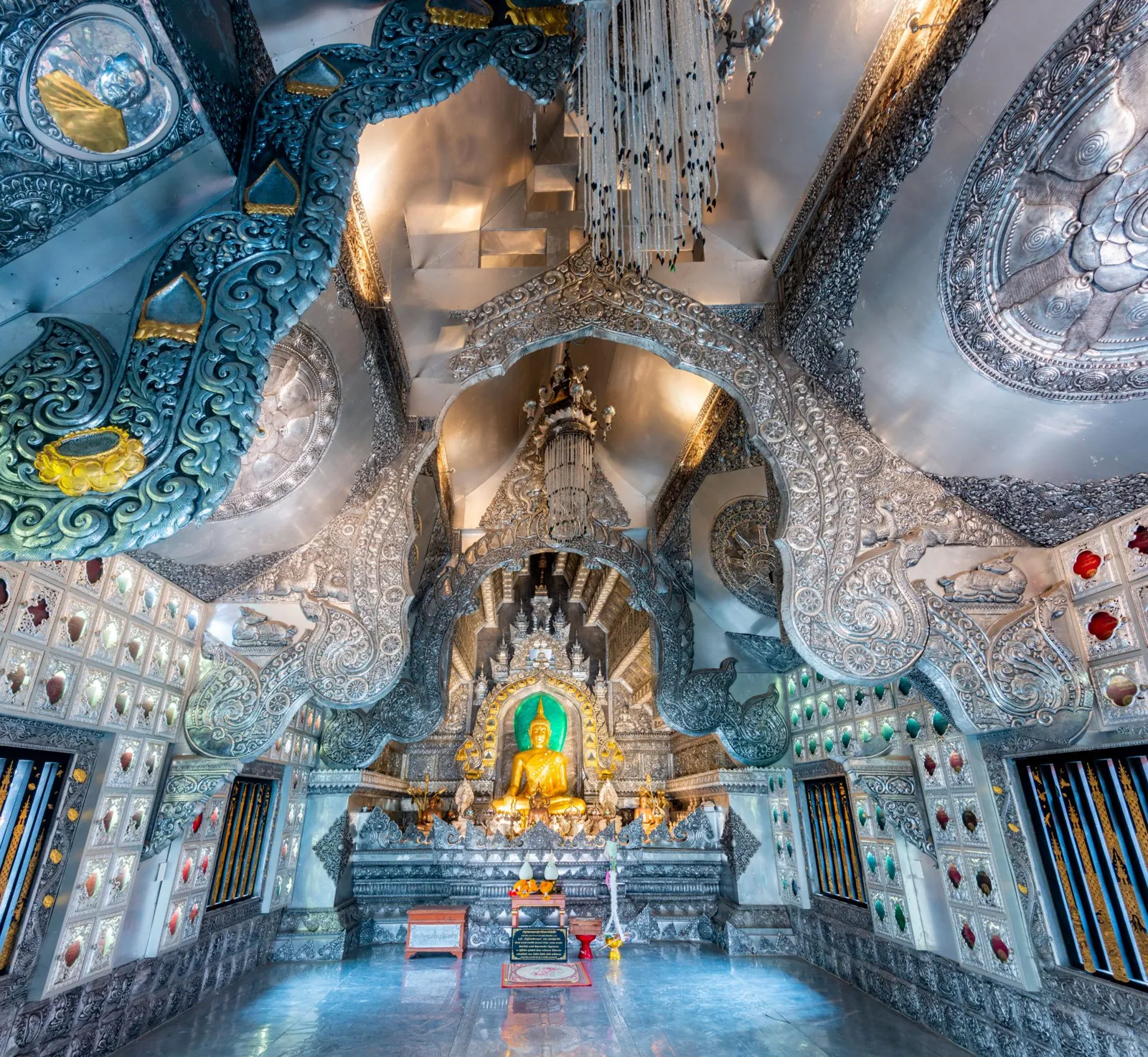
Wat Sri Suphan, also known as the Silver Temple, is a center for the hereditary silversmiths of Chiang Mai. By supporting the temple’s workshops, travelers ensure the continuation of a 200-year-old artistic tradition. Engaging with heritage preservation in Chiang Mai through a visit to the Silver Temple is an act of supporting the “Circular Economy” of traditional knowledge and ensuring that the unique “Soft Power” of Lanna craftsmanship continues to thrive. By participating, you are directly investing in the livelihoods of local artisans and the restoration of one of the world’s most unique religious structures.
I remember my first visit to the Wualai district on a quiet Tuesday morning. The air was filled with the rhythmic tap-tap-tap of hammers on silver. As I reached the gates of Wat Sri Suphan, the afternoon sun hit the silver-coated wihan, creating a shimmer that was almost otherworldly. A master silversmith, Khun Somchai, showed me the intricate “repoussé” patterns he was hammering into a panel. “We don’t just work with metal,” he told me. “We work with memory. Every pattern we hammer is a story our grandfathers told us.” In fifteen years of reporting on Southeast Asian heritage, I’ve found that few places manage to feel both like a museum and a workshop, but the Silver Temple does exactly that. It is a “Must See” experience that defines the creative heart of the north.
Why Heritage Preservation Should Be on Your List Right Now
As Thailand moves toward its “Thailand Tourism Next 2026” goals, the “Sub-Culture Economy” and “Regional Income Distribution” have become central pillars of the national strategy. The objective is to shift travelers away from mass-market crowds and toward meaningful engagement with Thai identity through “Fascinating Experiences.”
The Wualai Silver Temple is the anchor for this movement. While many temples rely on gold leaf, Wat Sri Suphan uses the local heritage of silversmithing to define its identity. By participating in a workshop or taking a guided tour, you are supporting a model that ensures the majority of your tourism dollars stay within the community of makers. The temple serves as a benchmark for the “7 Greens” standard—specifically Green Community and Green Learning. As conscious travelers increasingly seek out “Must Seek” hidden gems that offer depth and cultural connection, this site offers a way to experience the creative heart of Chiang Mai without the environmental footprint of heavy transport.
Best Time to Visit & Practical Planning Tips
To experience the temple without the Saturday night crowds, strategy is essential.
- When to Go: The Silver Temple is open daily, but the best time for heritage preservation in Chiang Mai is on a weekday morning (before 10:30 AM). This is when the silversmiths are working in the temple courtyard, and the atmosphere is quiet and contemplative.
- Weather: Like the rest of the north, the cool season (November to February) is ideal. The temple courtyards can be hot, so morning visits are recommended.
- Getting There: The temple is located in the Wualai district, just outside the Old City walls. The most sustainable way to arrive is via a samlor (trishaw) heritage tour or by using the city’s new electric bus service.
- Sample Budgets:
Top 5 Must-Experience Highlights at the Silver Temple
1. The Silver Wihan (Ordination Hall)
Admire the world’s only silver-coated temple building. The intricate carvings tell the story of the Buddha, but also include modern touches like maps of the stars and the world—a masterclass in “Soft Power” creative evolution.
2. The Silversmithing “Trot”
Walk through the temple’s courtyard to see the master artisans at work. You’ll see the “repoussé” technique—hammering designs from the back of the metal—a skill passed down for over 200 years.
3. Your Own “Must Buy” Silver Craft
Join a workshop to hammer your own small souvenir. Whether it’s a keychain or a small pendant, you’ll leave with a unique item that supports the hereditary makers and the “Circular Economy” of knowledge.
4. Monk Chat at Wat Sri Suphan
Participate in the “Monk Chat” program here, which often focuses on the intersection of Buddhism and the creative arts. It is a prime example of the “Life Economy” dialogue.
5. The Wualai “Sustainable Fashion” Boutiques
Near the temple, visit the small shops selling “Must Buy” silver jewelry and textiles. These shops often use the Tour in Thailand marketplace standards to ensure fair trade and ethical production.
Detailed 1-Day “Gleam of the North” Itinerary
- 09:30 AM: Arrive at Wat Sri Suphan via electric transport.
- 10:00 AM: Full 1-hour guided tour of the Silver Wihan and the artisan courtyard.
- 11:30 AM: Hands-on silversmithing workshop—hammer your own souvenir.
- 12:30 PM: “Sustainable Gastronomy” lunch at a nearby community café—try the Sai Oua made with local herbs.
- 02:30 PM: Visit the Lanna Traditional House Museum to see how silver has been used in northern Thai homes for centuries.
- 04:00 PM: Community Voting: Use the Tour in Thailand app to vote for the next craft restoration project in the Wualai district.
- Cost: ~1,500 THB.
Where to Stay: Best Eco-Friendly & Authentic Accommodations
- Luxury: Raya Heritage Chiang Mai: A boutique riverside hotel that prioritizes local craftsmanship and zero-waste dining, making it the perfect high-value base for your heritage trips.
- Mid-Range: 99 Heritage Hotel: Located in the Old City, this SHA Plus certified hotel has won awards for its heritage conservation and zero-waste policies.
- Budget: Eco Resort Chiang Mai: Built in a former school, this hostel features massive gardens and a commitment to low-impact urban living.
Food & Local Cuisine Guide: Crafting the Menu
In the Wualai district, food is a part of the “Soft Power” creative fabric.
- Must-Try Dish: Khao Soi from the family-run stalls near the temple. Look for those who use local, organic spices.
- The “Must Taste” Drink: Fresh lemongrass and honey tea, served in a reusable cup.
- Etiquette: When dining in the historic district, always look for the “Thailand Good Travel” mark, certifying that the restaurant supports local farmers and manages waste responsibly.
Sustainable & Responsible Travel Tips
- Respect the Sacred Space: Due to strict Buddhist traditions related to this specific wihan, women are not allowed to enter the interior of the Silver Ordination Hall. However, the exterior is fully accessible and is where the majority of the silver work is displayed.
- Support Certified Artisans: Buy your silver directly from the temple or from shops identified on the Tour in Thailand platform to ensure you are getting authentic, fair-trade goods.
- Minimize Your Footprint: Use the water refill stations located at the temple and avoid buying single-use plastic bottles from street vendors.
- Support the Fund: When you book your temple experience through the platform, a portion of the fee goes to the Thailand Environmental Fund. Don’t forget to vote for the next heritage restoration project.
Packing List & What to Know Before You Go
- Modest Dress: Ensure your shoulders and knees are covered as a sign of respect for the temple community.
- Slip-on Shoes: You will be taking your shoes off to walk in the temple courtyards.
- Reusable Kit: A cloth bag for your “Must Buy” silver finds and a sturdy water bottle.
- Connectivity: The temple has excellent Wi-Fi, but download the Tour in Thailand app beforehand to access the AI-powered digital silversmith guide.
Frequently Asked Questions (FAQ)
Why can’t women enter the Silver Wihan?
Wat Sri Suphan adheres to an ancient Buddhist rule specific to ordination halls where sacred objects are buried beneath the floor. This rule is maintained as part of the temple’s intangible cultural heritage.
Is the silver real?
Yes. The wihan is coated in real silver, aluminum, and nickel, with the most sacred parts using the highest purity of silver. The silversmiths use these materials to ensure the structure’s durability and luster.
How long does a silversmithing workshop take?
Basic workshops take about 1-2 hours. If you want to create a more complex piece, we recommend booking a half-day private session with a master maker.
Conclusion: A Legacy of Reflection
Visiting the Wualai Silver Temple is an invitation to see the creative heart of Thailand. It’s an acknowledgment that the “Soft Power” of a nation isn’t found in its skyscrapers, but in the hands of its makers and the memory of its metal. By choosing this heritage preservation in Chiang Mai experience, you aren’t just a visitor; you are a partner in the continuation of a 200-year-old story. You’ll leave the temple not just with a piece of silver, but with a deeper appreciation for the “Value over Volume” movement that is making the “Land of Smiles” a more creative and resilient home for everyone.
Ready to witness the gleam of the north? Book your Silver Temple experience today and cast your vote for local craft preservation!

Comment (0)