
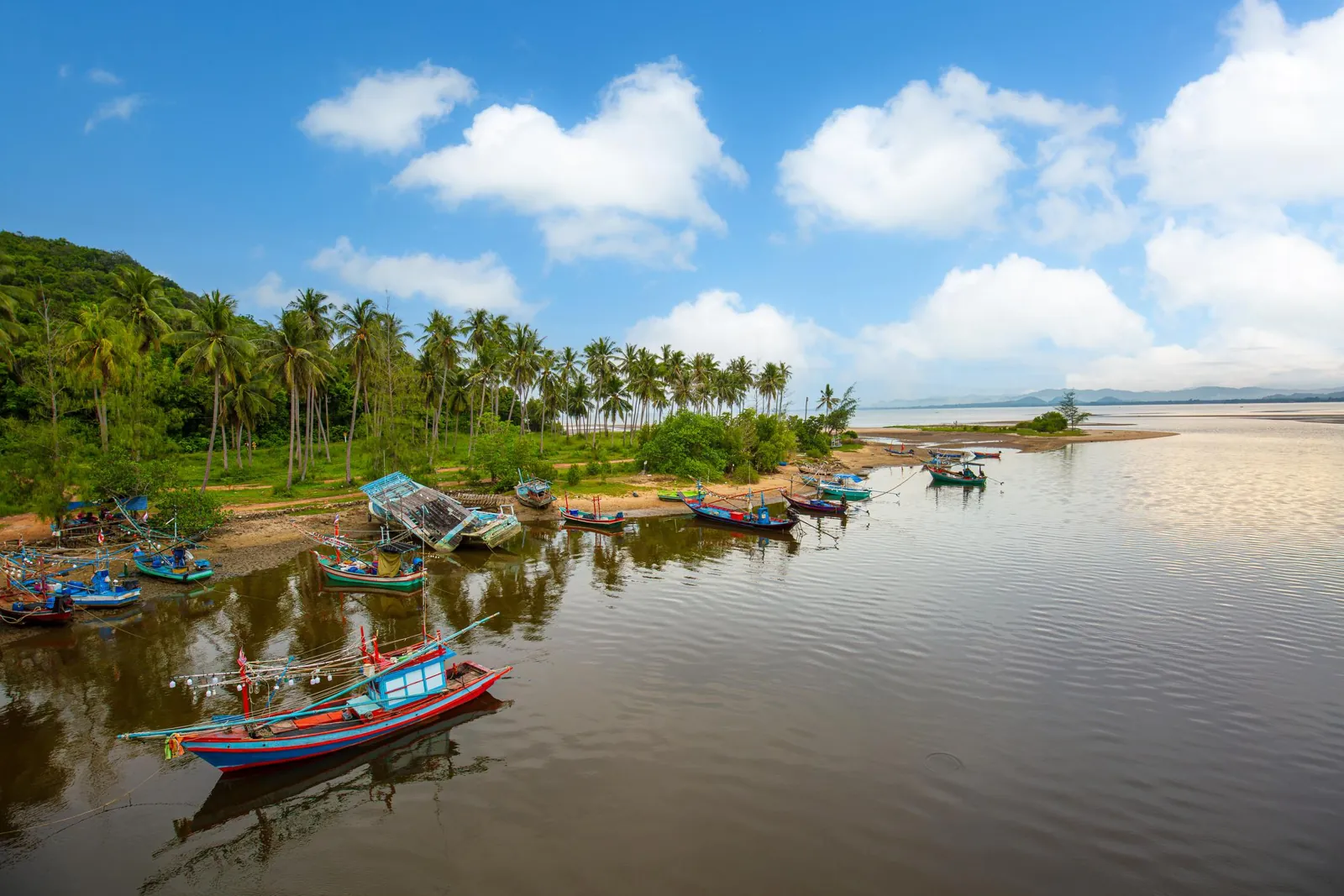
The Island that Time Forgot: A Guide to Koh Klang and Sustainable Travel in Krabi
Just a five-minute longtail boat ride from the bustling Krabi Town pier lies Koh Klang, a Muslim fishing village that remains an oasis of tradition in a province often defined by mass tourism. Here, the hum of the “Hua Tong” long-tail boat engines is the only thing that competes with the sound of the wind through the mangroves. Koh Klang is a “Must Seek” destination under the Thailand Tourism Next 2026 framework, offering a rare glimpse into a community that has resisted urban development to preserve its unique heritage—from the cultivation of organic Sangyod rice to the intricate art of handmade boat modeling. Engaging with sustainable travel in Krabi through Koh Klang is an act of supporting local economic retention and cultural resilience.
I remember my first crossing to Koh Klang. As the boatman maneuvered through the narrow channels, the concrete skyline of Krabi Town vanished, replaced by vast emerald rice paddies and stilted wooden houses. A local guide, P’Bang, handed me a hat woven from local palm leaves. “On this side of the water, we live with the tides, not the clock,” he told me. In fifteen years of reporting on Southeast Asian heritage, I’ve found that Koh Klang represents the gold standard for “Value over Volume” tourism—where the visitor isn’t just a spectator but a guest in a living community.
Why Sustainable Travel in Krabi Should Be on Your List Right Now
Krabi is currently at the heart of the “Krabi Prototype” project, a national initiative to transform the province into a “Green Tourism” model city. As part of the Thailand Green Tourism Plan 2030, Koh Klang serves as a benchmark for community-led conservation and the “Circular Economy.”
By visiting now, you are participating in a model that directly combats tourism leakage. Unlike the large resorts on the mainland, every baht spent on Koh Klang—whether for a batik workshop or a plate of organic rice—stays in the pockets of the 1,500 families who call this island home. Furthermore, bookings made through the Tour in Thailand platform generate a mandatory contribution to the Thailand Environmental Fund, which is currently supporting mangrove reforestation and waste management programs on the island’s northern tip.
Best Time to Visit & Practical Planning Tips
To experience the authentic rhythm of island life, timing is essential.
- Weather & Seasons: The “Cool Season” (November to February) is spectacular for exploring the island by bicycle. The “Green Season” (June to October) is when the rice paddies are at their most vibrant, though you should prepare for brief afternoon showers.
- Logistics: Take a longtail boat from the Chao Fah Pier in Krabi Town (approx. 20-30 THB). Once on the island, the primary modes of transport are bicycle or “Skylab” (motorcycle sidecar).
- Sample Daily Budgets:
Top 5 Must-Experience Highlights on Koh Klang
1. Hua Tong Long-tail Boat Modeling
Visit the workshop of the island’s master craftsmen who create miniature versions of the iconic Krabi long-tail boats. This activity supports “Intangible Cultural Heritage” and ensures that the skills of the ancestors are passed to the next generation.
2. Organic Sangyod Rice Fields
Walk or cycle through the rice paddies to see the unique red rice that only grows in Koh Klang’s brackish soil. You can learn about the “Circular Economy” of traditional farming, where rice husks are used for fuel and fertilizer.
3. Community Batik Painting
Join a women-led cooperative to learn the wax-resist technique. You’ll create your own “Must Buy” textile using patterns inspired by the Andaman reef life.
4. Mangrove Kayak Safari
Paddle through the dense mangrove tunnels on the island’s eastern side. Your local guide will point out mudskippers and exotic birds while explaining the role of mangroves as “Blue Carbon” sinks.
5. Sustainable Seafood at Baan Ma-Ying
Dine at one of the island’s floating restaurants. The fish and crabs are sourced directly from the local fishermen’s traps, ensuring zero-mile sourcing and supporting the “Blue Economy.”
Detailed 2-Day “Island Resilience” Itinerary
Day 1: The Craft and the Current
- 09:00 AM: Arrive at Chao Fah Pier; cross to Koh Klang.
- 10:00 AM: Guided bicycle tour of the village; visit the Hua Tong boat workshop.
- 12:30 PM: “Sustainable Gastronomy” lunch—try the Gaeng Som with local red rice.
- 02:30 PM: Hands-on batik painting workshop at the village cooperative.
- 05:00 PM: Check into your eco-homestay and enjoy sunset over the paddies.
- Cost: ~2,500 THB.
Day 2: The Roots and the Reefs
- 08:30 AM: Kayak tour through the mangrove forest.
- 11:30 AM: Visit the organic rice mill and participate in a seed-saving workshop.
- 01:30 PM: Sustainable seafood lunch at Baan Ma-Ying.
- 03:00 PM: Community Voting: Use the Tour in Thailand app to vote for the next youth scholarship or canal-cleaning project.
- Cost: ~1,500 THB.
Where to Stay: Best Eco-Friendly & Authentic Accommodations
- Authentic Choice: Koh Klang Homestay Group: Managed by the community committee, these stilted wooden houses offer a direct connection to local life. All proceeds are shared among the village families.
- Mid-Range: Bulan Anda Baba Resort: Located on the quieter side of the island, this resort prioritizes low-impact luxury and works closely with the village for cultural tours.
- Sustainable Base: Venice Krabi Villa Resort: Located on the mainland but focusing on eco-friendly practices, this is an excellent base for day trips to Koh Klang.
Food & Local Cuisine Guide: Tasting the Tide
Eating on Koh Klang is a lesson in “Must Taste” regional biodiversity.
- Must-Try Dish: Kao-Kluk Ka-pi (Shrimp paste rice) made with Sangyod rice and artisanal shrimp paste from the island’s southern shore.
- The “Must Taste” Drink: Fresh coconut water harvested from the island’s groves.
- Etiquette: This is a traditional Muslim community. Alcohol and pork are strictly prohibited on the island. Dress modestly (shoulders and knees covered) to show respect for local customs.
Sustainable & Responsible Travel Tips
- Respect the Silence: Koh Klang is a residential area. Keep noise to a minimum, especially near the mosque during prayer times.
- No Plastic, No Problem: The island runs a “No Foam, No Plastic” initiative. Carry a reusable bottle; the homestays provide filtered water refills.
- Support Local Makers: Buy a jar of organic honey or a boat model directly from the artisan. This ensures 100% economic retention.
- Support the Fund: A portion of your booking via the marketplace goes to the Thailand Environmental Fund. Don’t forget to cast your vote for local forest protection.
Packing List & What to Know Before You Go
- Modest Clothing: Light cotton or linen that covers shoulders and knees.
- Sun Protection: A wide-brimmed hat and reef-safe sunscreen (if heading to the mangroves).
- Reusable Kit: A cloth bag for market finds and a sturdy water bottle.
- Cash: Most vendors on the island only accept cash or PromptPay; cards are rarely accepted.
FAQ
Is Koh Klang suitable for families?
Absolutely! The bicycle-friendly paths and hands-on workshops like boat modeling and batik painting make it one of the best family destinations in Krabi.
Can I visit without a guide?
While you can explore the main roads by bike, we highly recommend a guided tour to access the workshops and hear the stories of the community’s history.
How do I know my money helps the village?
The Tour in Thailand marketplace provides a traceable ledger. Over 70% of your fee goes directly to the local hosts and cooperatives.
Conclusion: A Living Legacy
Choosing to visit Koh Klang is an invitation to see Krabi with new eyes. It is an acknowledgment that the “Soft Power” of a nation isn’t found in its skyscrapers, but in its resilience and its heart. By supporting this sustainable travel in Krabi experience, you aren’t just a visitor; you are a partner in the preservation of Thailand’s coastal identity. You’ll leave the island not just with a batik scarf, but with the peace of mind that comes from knowing your journey helped keep the “Island that Time Forgot” alive for generations to come.
Ready to slow down? Book your Koh Klang experience today and cast your vote for community conservation!

Comment (0)