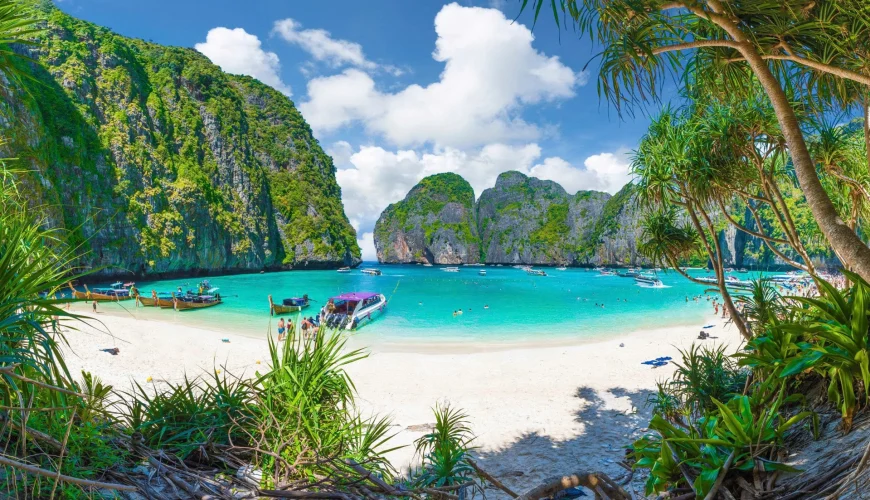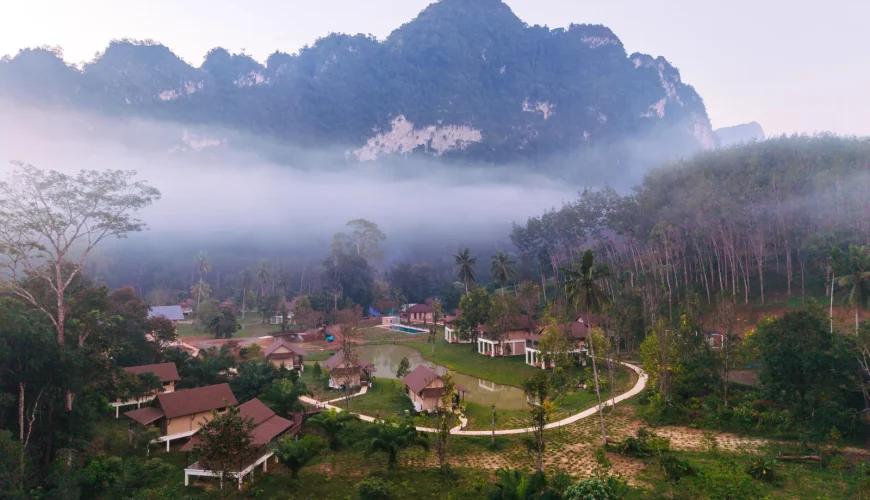
Experience #30: Elephant Hills Rainforest Camp (Surat Thani)

Floating Stewardship: A Guide to Elephant Hills Rainforest Camp and Responsible Travel in Surat Thani Located on the emerald waters of the Cheow Larn Reservoir, Elephant Hills Rainforest Camp represents the pinnacle of responsible, low-impact luxury. This floating tented camp utilizes renewable energy and strictly avoids all harmful plastics, setting the standard for sustainable tourism […]
Read More

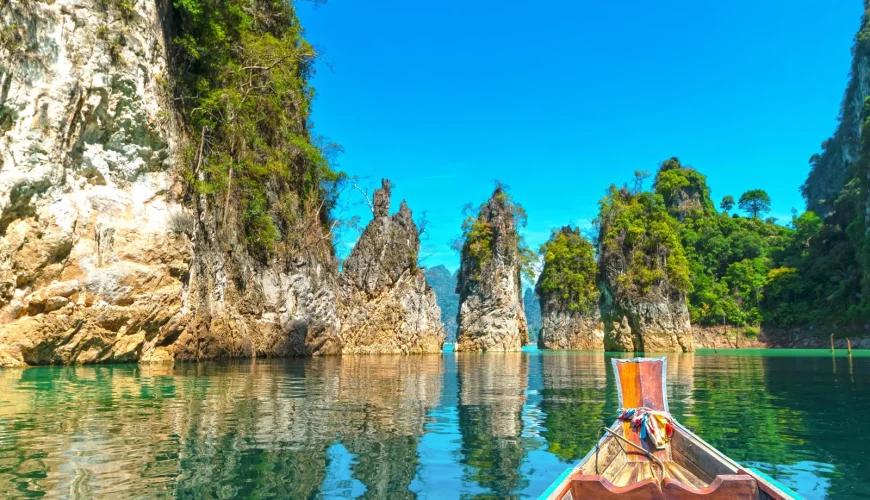
Experience #29: Khao Sok National Park Kayaking

Ancient Currents: A Guide to Khao Sok National Park Kayaking and Rainforest Conservation This “Must See” destination is home to one of the oldest rainforests in the world. Local guides navigate the Sok River and Cheow Larn Reservoir, educating visitors on the limestone ecology and the history of the Cheow Larn Dam. Engaging with sustainable […]

Read More

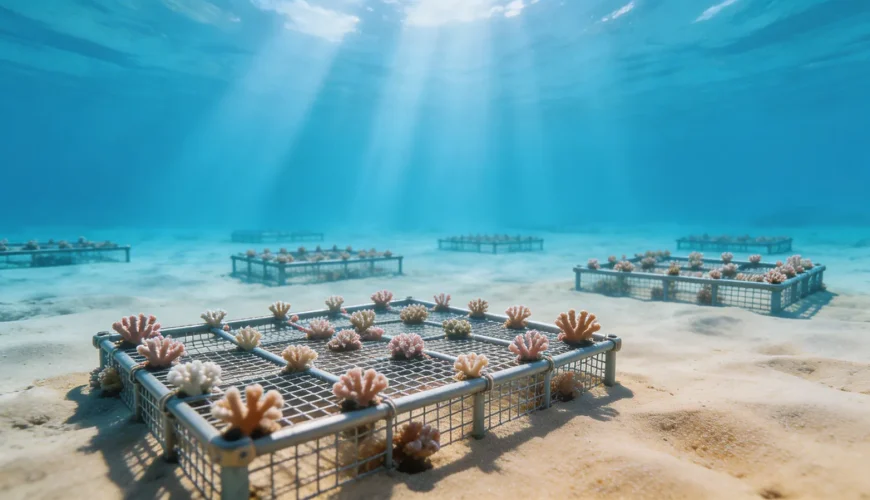
Experience #28: Koh Tao Coral Restoration (New Heaven Reef Conservation)

Regenerative Depths: A Guide to Koh Tao Coral Restoration and Sustainable Diving With over 75% of Koh Tao’s reefs affected by bleaching, tourism here must be regenerative rather than extractive. Through the New Heaven Reef Conservation program, divers and snorkelers participate in hands-on sessions for coral propagation, marine debris removal, and reef monitoring. Engaging with […]

Read More

Experience #27: Koh Surin Moken Experience

The Sea Nomads’ Wisdom: A Guide to the Koh Surin Moken Experience and Sustainable Snorkeling This tour is led by the original Moken inhabitants of the Surin Islands. It focuses on the “Life Below Water” (SDG 14) and “Life on Land” (SDG 15) goals, teaching travelers about sustainable foraging and the cultural heritage of the […]

Read More

Experience #26: Ban Talae Nok Homestay (Phang Nga/Ranong)

Coastal Resilience: A Guide to Ban Talae Nok Homestay and Sustainable Travel on the Andaman Coast Nestled on the quiet shores of the North Andaman Coast, Ban Talae Nok is a Muslim fishing village that offers a profound look at coastal life and resilience. Following the 2004 tsunami, this community rebuilt itself with a focus […]

Read More

Experience #25: Wualai Silver Temple (Wat Sri Suphan)

The Gleam of the Ancestors: A Guide to the Wualai Silver Temple and Heritage Preservation in Chiang Mai Wat Sri Suphan, also known as the Silver Temple, is a center for the hereditary silversmiths of Chiang Mai. By supporting the temple’s workshops, travelers ensure the continuation of a 200-year-old artistic tradition. Engaging with heritage preservation […]

Read More

Experience #24: Doi Inthanon Nature Trails (Ang Ka and Kew Mae Pan)

At the Peak of the Kingdom: A Guide to Doi Inthanon Nature Trails and Cloud Forest Conservation These trails are managed in collaboration with local Karen guides. They offer insights into the unique cloud forest ecosystem and the importance of preserving Thailand’s highest peak as a critical water source. Engaging with the Doi Inthanon nature […]

Read More

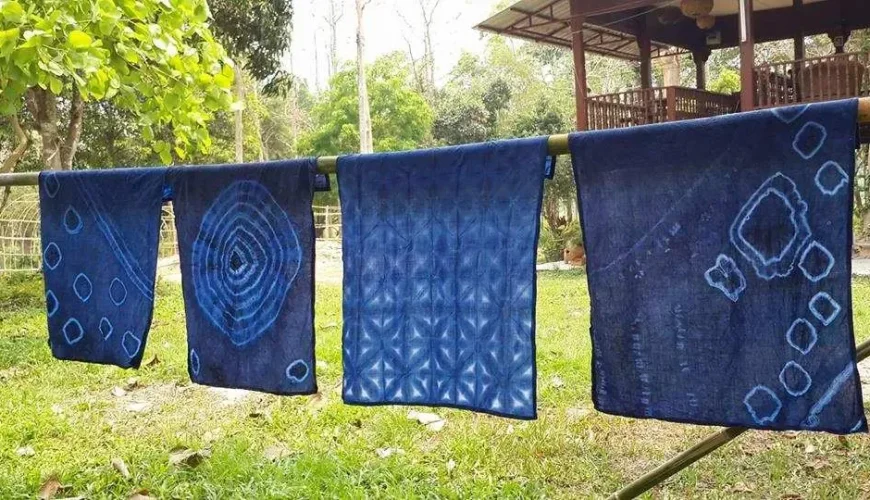
Experience #23: Mae Rim Indigo Dyeing Workshops

The Blue Alchemy: A Guide to Mae Rim Indigo Dyeing and Sustainable Fashion in Chiang Mai In the lush valleys of Mae Rim, visitors can learn the traditional art of indigo dyeing from local artisans. This activity supports the use of natural, plant-based dyes over harmful chemical alternatives. Engaging with sustainable fashion in Chiang Mai […]

Read More

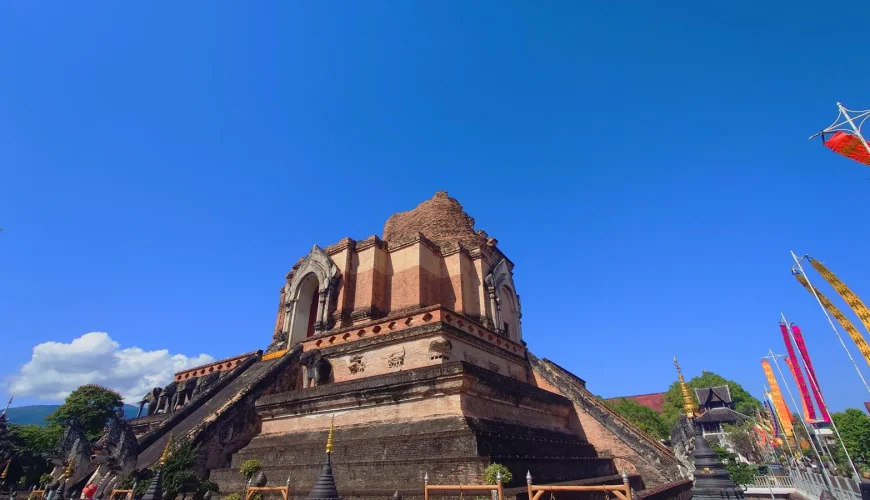
Experience #22: Wat Chedi Luang Monk Chat

The Dialogue of Peace: A Guide to Wat Chedi Luang and Spiritual Exchange in Chiang Mai This program allows for direct cultural exchange between visitors and monks. It fosters mutual understanding and provides monks with an opportunity to practice English while sharing Buddhist philosophy on mindfulness and nature. Engaging with the Wat Chedi Luang monk […]

Read More

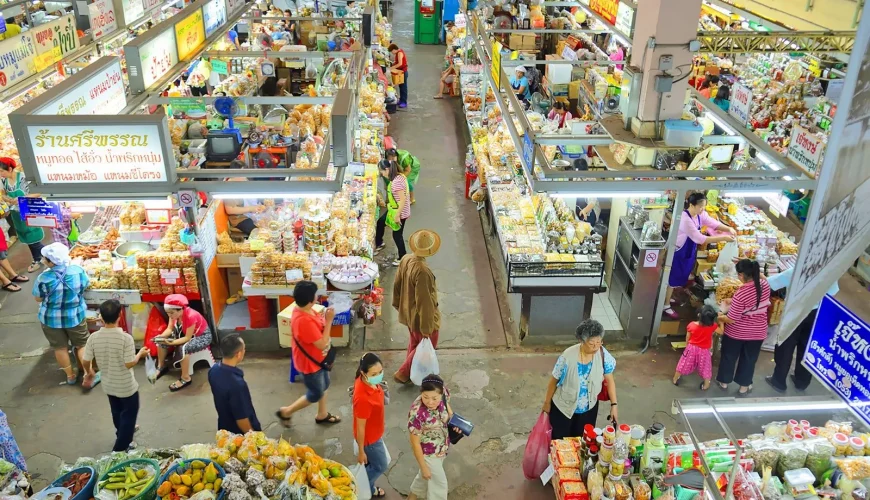
Experience #21: Muang Mai Market Local Sourcing

The Harvest of the North: A Guide to Muang Mai Market and Sustainable Sourcing in Chiang Mai Muang Mai Market is a massive hub where locals shop daily for seasonal produce. Encouraging travelers to visit here promotes the consumption of regional fruits and vegetables, reducing the carbon footprint associated with imported foods. As a cornerstone […]

Read More