Experience #20: Lanna Traditional House Museum

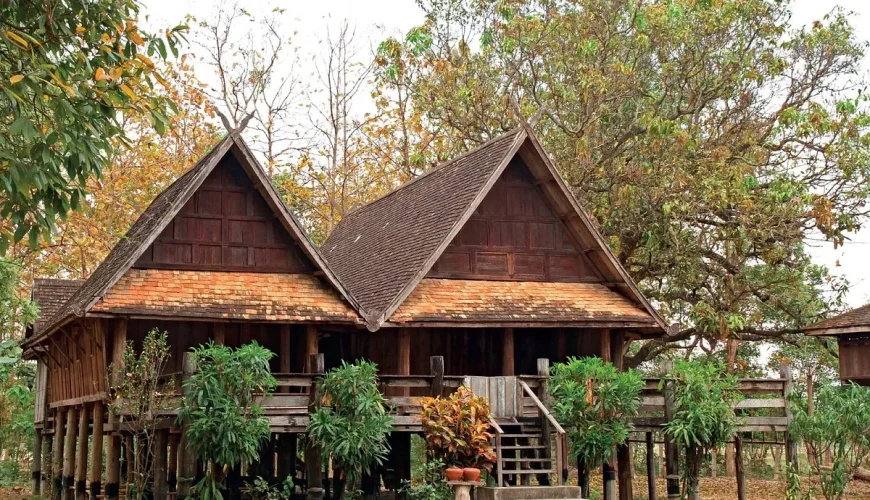
Architecture of Wisdom: A Guide to the Lanna Traditional House Museum and Cultural Heritage in Chiang Mai Located at Chiang Mai University, this site preserves 10 traditional Lanna houses and 4 rice granaries, serving as a repository for historical architectural wisdom and craftsmanship. The Lanna Traditional House Museum is more than just a collection of […]
Read More

Experience #19: Chiang Mai Samlor (Trishaw) Heritage Tours

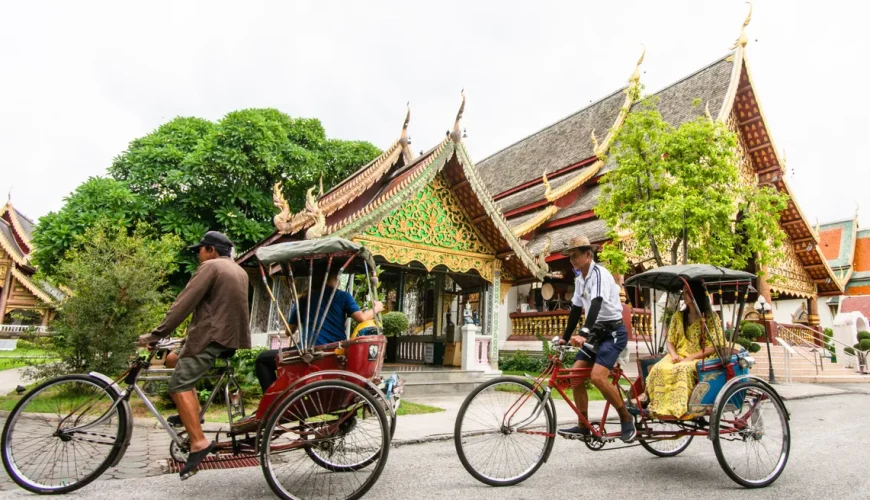
Pedaling Through the Past: A Guide to Chiang Mai Samlor Heritage Tours and Sustainable Transport Supporting the elderly drivers of traditional three-wheeled bike taxis, the Chiang Mai Samlor (Trishaw) heritage tours are a vital initiative to help preserve an iconic, eco-friendly mode of transport while providing a steady income for one of the city’s most […]

Read More

Experience #18: The Bush Camp Chiang Mai

Wilderness and Well-being: A Guide to The Bush Camp and Ethical Wildlife Tourism in Chiang Mai Located in the serene hills of the Mae Ping valley, The Bush Camp Chiang Mai represents the evolution of luxury travel into the realm of social and environmental impact. This ethical glamping experience supports local conservation projects, including habitat […]

Read More

Experience #17: Elephant PooPooPaper Park (Chiang Mai)

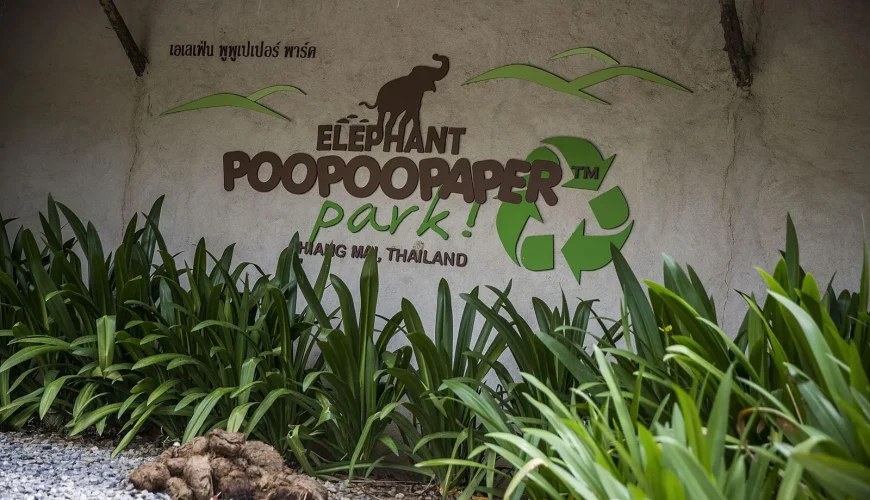
The Art of the Circle: A Guide to Elephant PooPooPaper Park and Eco-Friendly Activities in Chiang Mai Located just north of the city in Mae Rim, the Elephant PooPooPaper Park is an eco-friendly outdoor museum that demonstrates the principles of the circular economy in a way that is both educational and whimsical. This unique center […]

Read More

Experience #16: Ban Mae Klang Luang (Doi Inthanon)

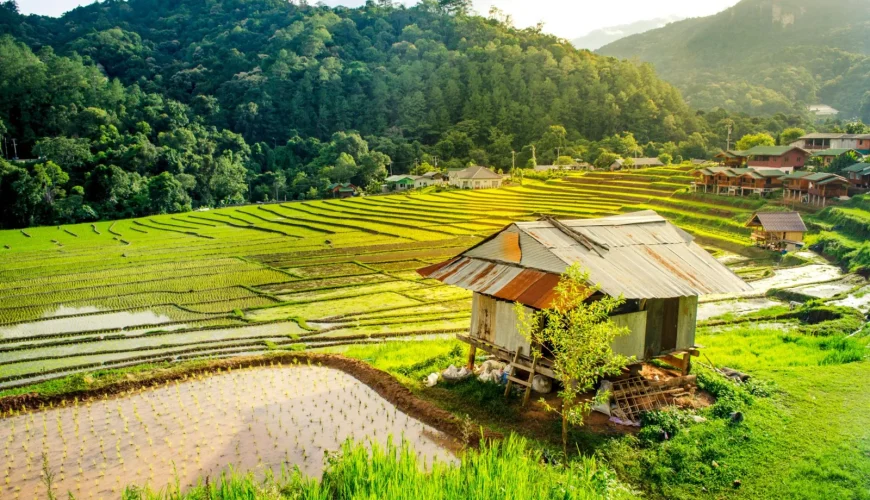
Beyond the Clouds: A Guide to Ban Mae Klang Luang and Sustainable Travel in Doi Inthanon Nestled in the lush valleys of Thailand’s highest peak, Ban Mae Klang Luang is a Karen village that has undergone a remarkable transformation from opium cultivation to sustainable rice and coffee farming. As a cornerstone of sustainable travel in […]

Read More

Experience #15: Wat Pha Lat Jungle Hike

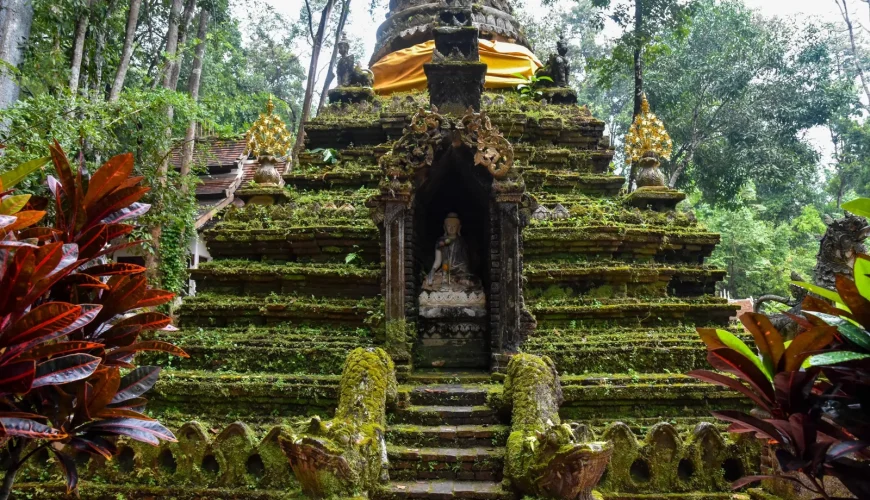
The Pilgrim’s Silence: A Guide to the Wat Pha Lat Jungle Hike and Sustainable Hiking in Chiang Mai Hidden in the forest along the “Monk’s Trail” on Doi Suthep mountain, Wat Pha Lat offers a serene alternative to the crowded temple at the peak. This “Pilgrim’s Path” hike emphasizes the symbiotic relationship between Buddhism and […]

Read More

Experience #14: Bua Tong Sticky Waterfalls (Chiang Mai)

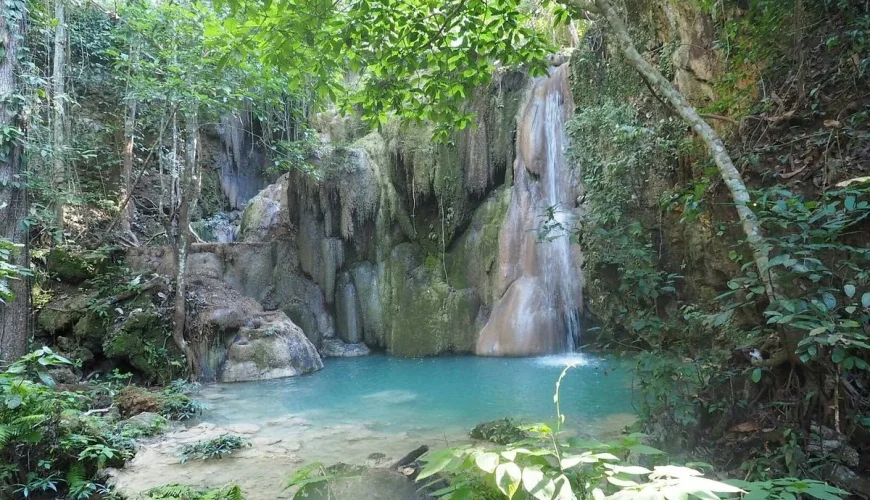
Defying Gravity: A Guide to the Bua Tong Sticky Waterfalls and Sustainable Nature Travel in Chiang Mai Located about 90 minutes north of Chiang Mai, the Bua Tong Waterfalls offer a geological marvel where mineral deposits allow visitors to climb directly up the rushing water. Management focuses on maintaining the surrounding forest and preventing commercial […]

Read More

Experience #13: Hloyo Akha Hill Tribe Experience (Chiang Rai)

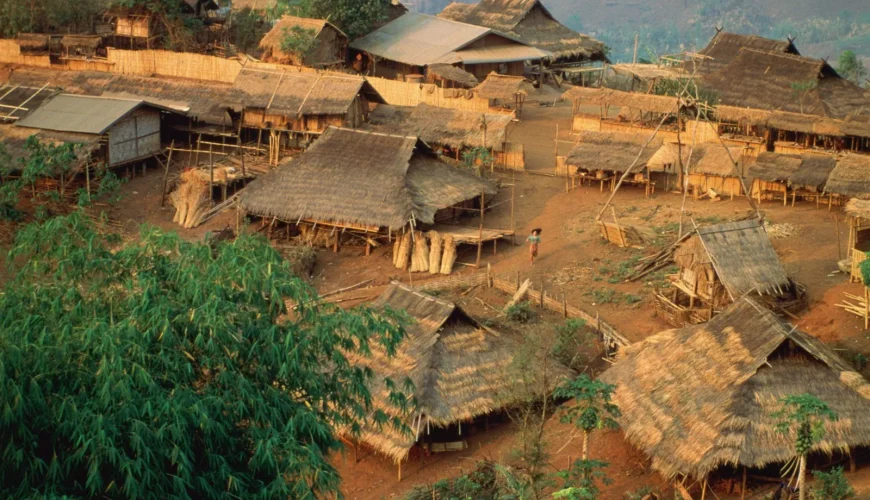
High-Altitude Heritage: A Guide to the Hloyo Akha Hill Tribe Experience and Sustainable Travel in Chiang Rai Perched high in the Doi Mae Salong mountain range, the community of Hloyo offers a profound look at the Akha way of life. This mountain-top homestay allows travelers to live in traditional houses and learn about Akha culture […]

Read More

Experience #12: Elephant Nature Park (Chiang Mai)

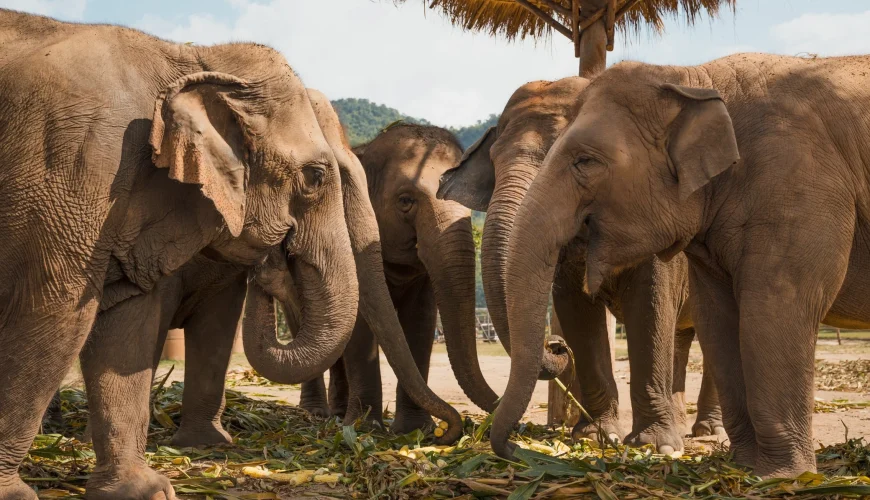
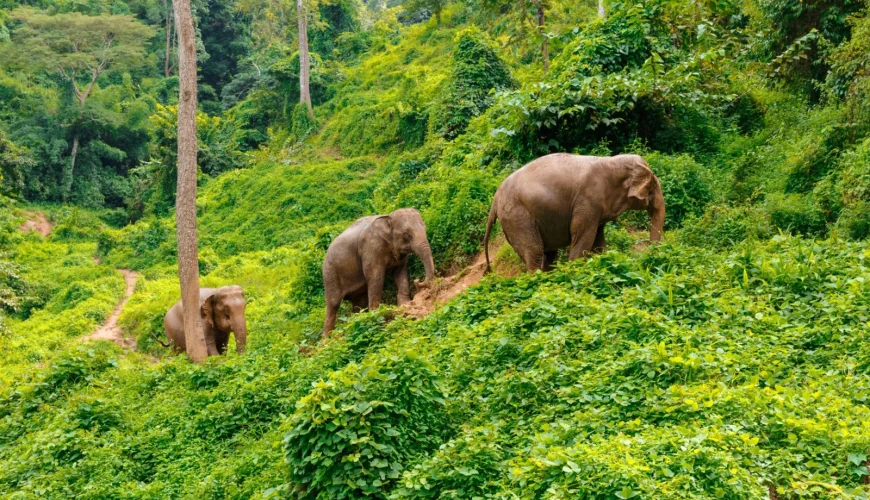
The Ethical Standard: A Guide to Elephant Nature Park and Sustainable Wildlife Tourism in Chiang Mai The Tour in Thailand project adheres to a strict “observation-only” policy for wildlife. Elephant Nature Park (ENP), founded by award-winning conservationist Lek Chailert, is the gold standard for this model. Home to over 100 rescued elephants, ENP prohibits riding […]

Read More

Experience #11: Mae Kampong Village (Chiang Mai)

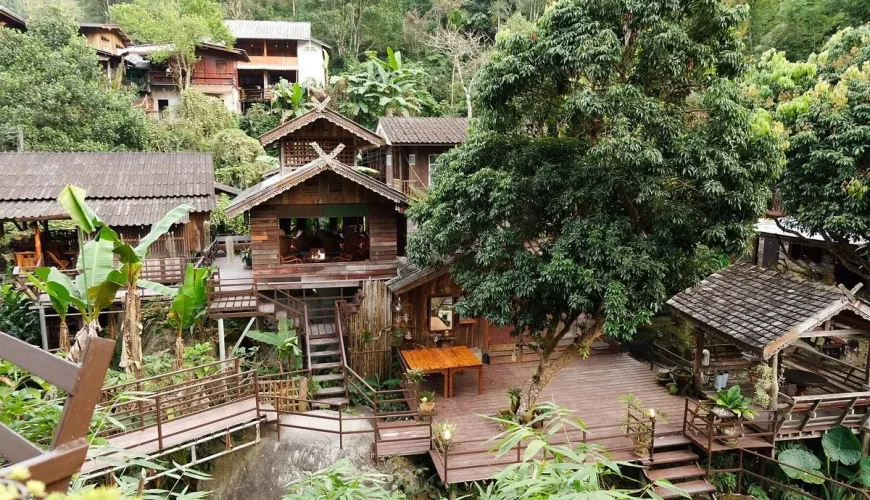
The Highland Blueprint: A Guide to Mae Kampong Village and Community Based Tourism in Chiang Mai Mae Kampong is a mountain village that has successfully balanced tourism with ecological limits. With only 500 residents, the community manages its own hydroelectric system and recycles grey water for agricultural irrigation. To prevent over-tourism, the village limits the […]

Read More