
The Harvest of the North: A Guide to Muang Mai Market and Sustainable Sourcing in Chiang Mai
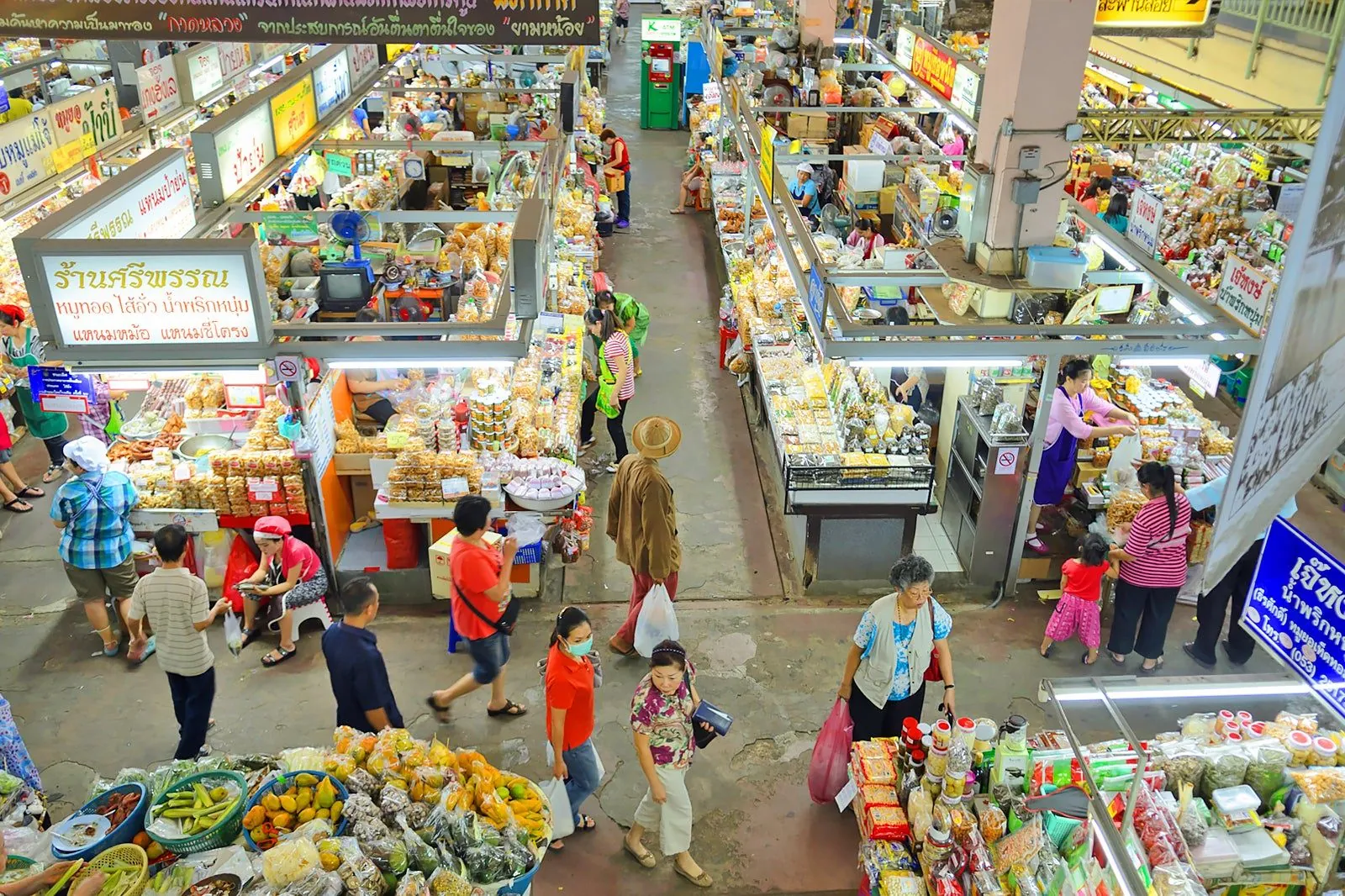
Muang Mai Market is a massive hub where locals shop daily for seasonal produce. Encouraging travelers to visit here promotes the consumption of regional fruits and vegetables, reducing the carbon footprint associated with imported foods. As a cornerstone of sustainable sourcing in Chiang Mai, this market offers more than just food; it offers a sensory education on the “Circular Economy” of the Lanna highlands. By prioritizing local ingredients, you are directly supporting the grassroots economy and ensuring that your journey contributes to the preservation of Thailand’s agricultural biodiversity.
I remember the first time I entered Muang Mai at 4:00 AM. The air was heavy with the sweet, musky scent of ripening durian and the sharp, clean aroma of freshly cut lemongrass. Wholesale trucks from the surrounding mountains were unloading crates of “royal project” strawberries and mountain-grown cabbage. A local fruit vendor, Uncle Wichai, handed me a slice of honey-sweet mangosteen. “In the city, people buy what looks perfect,” he told me. “But here, we buy what the season gives us. That is how the land stays strong.” In fifteen years of covering global food systems, I’ve found that Muang Mai is the most authentic place to see the direct link between the forest and the fork. It is a “Must Taste” experience that defines the soul of Northern Thai gastronomy.
Why Local Sourcing and Gastronomy Should Be on Your List Right Now
As Thailand moves toward its “Thailand Tourism Next 2026” goals, “Sustainable Gastronomy” has become a central pillar of the “Life Economy” strategy. The objective is to shift travelers away from generic international menus and toward “Fascinating Experiences” rooted in regional flavors.
Muang Mai Market is the engine of this shift. While modern supermarkets rely on long supply chains, Muang Mai connects consumers directly with the farmers of the Doi Inthanon and Mae Rim valleys. By visiting, you are participating in a model that minimizes “food miles” and supports the “7 Greens” initiative—specifically Green Activity and Green Community. As conscious travelers increasingly prioritize destinations that offer healthy, ethical food choices, Muang Mai serves as a living laboratory for how urban centers can sustain their rural counterparts.
Best Time to Visit & Practical Planning Tips
To experience the market’s true rhythm without being overwhelmed by the wholesale rush, strategy is essential.
- When to Go: The market is technically open 24/7, but the best time for sustainable sourcing in Chiang Mai is between 07:00 AM and 09:30 AM. This is when the freshest retail produce is available, and the morning light is perfect for seeing the vibrant colors of the highland harvest.
- Weather: During the “Cool Season” (November to February), the market overflows with temperate crops like avocados and strawberries. In the “Rainy Season” (June to October), look for wild mushrooms and exotic shoots.
- Getting There: Skip the car. Take a shared “Songthaew” (red truck) to the riverside area near the US Consulate. Using public transport is the most sustainable way to reach the market.
- Sample Budgets:
Top 5 Must-Experience Highlights at Muang Mai Market
1. The Durian “Stock Exchange”
Visit the specialized stalls during June and July. You’ll learn how to identify different varieties like Monthong and Chanee by scent and sound. It’s a “Must Taste” education in Thailand’s most controversial and celebrated fruit.
2. The Royal Project Produce Section
Look for the stalls selling goods from the King’s Royal Projects. These initiatives have successfully replaced opium cultivation with sustainable high-value crops, and buying here supports highland community resilience.
3. Traditional Herb and Spice “Pharmacies”
Explore the narrow alleys dedicated to dry goods. You’ll find fresh turmeric, galangal, and rare forest herbs used in “Life Economy” traditional medicine. It’s a masterclass in “Nature-Based Learning.”
4. Zero-Waste Fruit Tasting
Many vendors will offer samples. Bring your own reusable container and bamboo fork to enjoy the “Must Taste” seasonal specialties without generating plastic waste.
5. The Morning Alms-Giving Connection
Near the market entrance, you’ll often see monks receiving food offerings from vendors. It is a peaceful moment of “Soft Power” that illustrates the spiritual link between the community and the harvest.
Detailed 5-Day “Lanna Gastronomy” Itinerary
Day 1: The Source
- 07:30 AM: Morning tour of Muang Mai Market with a local guide.
- 09:30 AM: Tasting session focusing on seasonal highland fruits.
- 11:30 AM: Visit a local “Zero Waste” café that sources 100% of its greens from Muang Mai.
- 01:00 PM: Community Voting: Use the Tour in Thailand app to vote for the next agricultural heritage project funded by the Environmental Fund.
- Cost: ~1,200 THB.
Day 2: The Forest Pantry
- 08:00 AM: Head to the Mae Kampong Village (a fellow Tour in Thailand partner) to see where the market’s wild herbs are foraged.
- 12:30 PM: “Sustainable Gastronomy” lunch in the mountains.
- Cost: ~1,800 THB.
Day 3: Seed to Plate
- 09:00 AM: Join a “Local Alike” organic farm tour in the Mae Rim valley.
- 12:00 PM: Farm-to-table lunch featuring heirloom rice varieties.
- Cost: ~1,500 THB.
Day 4: Highland Heritage
- 09:30 AM: Visit the Lanna Traditional House Museum to learn how northern Thai families historically stored and managed their harvests.
- Cost: ~500 THB.
Day 5: The Market Legacy
- 04:00 PM: Visit the Warorot Market to see how Muang Mai’s fresh goods are processed into “Must Buy” traditional snacks and textiles.
- Cost: ~800 THB.
Where to Stay: Best Eco-Friendly & Authentic Accommodations
- Luxury: Raya Heritage Chiang Mai: A boutique riverside hotel that prioritizes local sourcing and zero-waste dining, making it the perfect high-value base for your market trips.
- Mid-Range: Maraya Hotel & Resort: Located on the Ping River, this SHA Plus certified hotel has strong sustainability standards and is within walking distance of the city’s green zones.
- Budget: Eco Resort Chiang Mai: Built in a former school, this hostel features massive gardens and a commitment to low-impact urban living.
Food & Local Cuisine Guide: Tasting the Season
In the North, the market is the menu.
- Must-Try Dish: Nam Phrik Num (Northern Green Chili Dip). Made with roasted chilies and garlic sourced from the market, it is the ultimate example of “Life Economy” healthy eating.
- The “Must Taste” Drink: Freshly pressed passion fruit or orange juice, served in a reusable cup—look for the vendors who source directly from the Royal Projects.
- Etiquette: When buying from Muang Mai, always carry your own cloth bag. Most wholesale vendors still use large plastic bags; your choice to use a reusable one is a direct act of “Circular Economy” leadership.
Sustainable & Responsible Travel Tips
- Bring Your Own Kit: Muang Mai is a functional market, not a tourist attraction. Bring a cloth bag, reusable containers, and bamboo cutlery to avoid the “single-use” cycle.
- Support Small-Scale: Buy from the vendors with smaller baskets. These are often individual farmers who have brought their own garden surplus to town.
- Mind the Trucks: This is a working wholesale hub. Stay to the side of the paths and be mindful of the trolleys and motorbikes delivering produce.
- Support the Fund: Every booking made via the Tour in Thailand marketplace includes a contribution to the Thailand Environmental Fund. Don’t forget to vote for local projects like “Organic Seed Banks” or “Highland Reforestation.”
Packing List & What to Know Before You Go
- Sturdy, Washable Shoes: The market floors can be wet and muddy, especially in the early morning.
- Reusable Shopping Bags: Essential for carrying your “Must Buy” seasonal finds.
- Cash: While QR codes are growing, small-scale farmers in the market still prefer cash for small transactions.
- Camera: The colors are incredible, but always ask permission before taking a close-up photo of a vendor.
Frequently Asked Questions (FAQ)
Is Muang Mai better than the Sunday Walking Street?
If you want to see the authentic agricultural life of Chiang Mai, yes. While the walking street is for crafts and souvenirs, Muang Mai is for the food that sustains the city.
Can I buy durian to take back to my hotel?
Most hotels in Thailand have a strict “No Durian” policy due to the smell. We recommend enjoying it at one of the market’s specialized seating areas.
How much of my money goes to the farmers?
Under the Tour in Thailand model, 100% of your produce purchases go directly to the vendors. If you book a guided tour, over 70% of the fee stays in the local community.
Conclusion: A Greener Shade of Fresh
Choosing to visit Muang Mai Market is an act of supporting a city that is trying to reconnect with its soil. It is a way to say that the value of a meal isn’t just in its presentation, but in its origin. By sourcing locally and seasonally, you aren’t just a visitor; you are a guardian of Chiang Mai’s agricultural heritage. You’ll leave the market with a full bag and a deeper understanding of the “Value over Volume” movement that is making the “Land of Smiles” a more resilient home for everyone.
Ready to taste the future of sourcing? Book your Muang Mai market experience today and cast your vote for local seed preservation!

Comment (0)