
At the Peak of the Kingdom: A Guide to Doi Inthanon Nature Trails and Cloud Forest Conservation
These trails are managed in collaboration with local Karen guides. They offer insights into the unique cloud forest ecosystem and the importance of preserving Thailand’s highest peak as a critical water source. Engaging with the Doi Inthanon nature trails is more than just a hike; it is an act of cloud forest conservation in Thailand that honors the “Soft Power” of indigenous knowledge while promoting a “Value over Volume” approach to nature travel. By walking these paths, you gain the context needed to understand why Doi Inthanon is considered the “Mother Mountain” of the north.
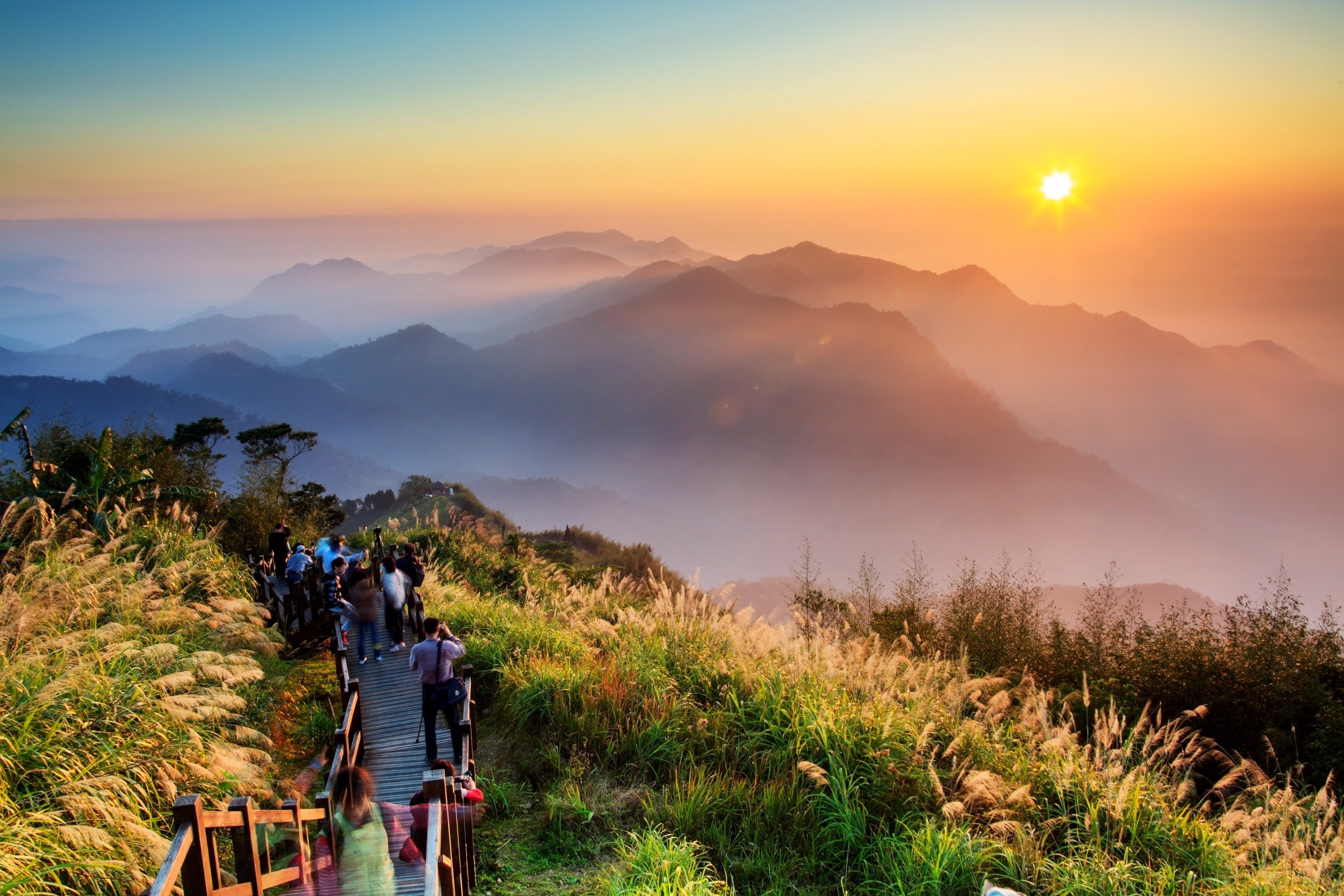
I remember my first morning on the Kew Mae Pan trail at 6:30 AM. The temperature was a bracing 10°C, and the mist was so thick it felt like the mountains were breathing. As I stepped onto the wooden boardwalk, my Karen guide, P’Somchai, pointed to a patch of vibrant green sphagnum moss. “This is the sponge of Thailand,” he said. “It holds the water that feeds the entire central plain. If we lose the forest at the top, the rice dies at the bottom.” In fifteen years of covering Southeast Asian ecology, I’ve found that few places illustrate the “Circular Economy” of water as vividly as these highland trails. It is a “Must See” experience that defines the ecological soul of the kingdom.
Why Nature Conservation Should Be on Your List Right Now
As Thailand implements its “Thailand Tourism Next 2026” strategy, the focus has shifted toward the “Life Economy” and regional income distribution. The objective is to move away from mass-market crowds and toward “Fascinating Experiences” where the locals are the primary guides and decision-makers.
The Doi Inthanon nature trails are the lighthouse for this movement. While the summit can draw thousands of visitors daily, the managed trails like Kew Mae Pan limit numbers to preserve the delicate ecosystem. By visiting, you are participating in a model of regenerative tourism that directly supports the “7 Greens” initiative—specifically Green Heart and Green Community. The revenue generated from guided treks stays within the local Karen villages, ensuring that the “Soft Power” of northern Thai forest culture continues to be shared respectfully. As conscious travelers increasingly seek out “Must Seek” hidden gems that offer health benefits and cultural depth, these trails offer a way to experience the spiritual heart of Chiang Mai without the environmental footprint of heavy transport.
Best Time to Visit & Practical Planning Tips
To experience the “Sea of Mist” and the rhododendrons in bloom, timing is everything.
- When to Go: The Kew Mae Pan Nature Trail is open only from November 1 to May 31 to allow for ecosystem recovery during the rainy season. The Ang Ka Nature Trail is open year-round. Aim to arrive at the trailhead by 06:30 AM to catch the sunrise and enjoy the trails at their coolest.
- Weather: In the cool season (November to February), temperatures at the summit can drop to 0°C. Be prepared with layers.
- Getting There: The trails are located about 2 hours from Chiang Mai city. For a truly sustainable arrival, use the “Green Logistics” shared transport options or hire a local driver through the Tour in Thailand platform to ensure the transport fee stays in the regional economy.
- Sample Budgets:
Top 5 Must-Experience Highlights on the Doi Inthanon Trails
1. The Kew Mae Pan Cloud Forest Ridge
Walk along the exposed ridge of Thailand’s highest peak. On a clear morning, you’ll see the “Sea of Mist” stretching toward Myanmar—a serene connection with nature that honors the “Soft Power” of the highlands.
2. The Ang Ka “Ancient Forest” Boardwalk
Explore the highest wetland in Thailand. You’ll see the rare sphagnum moss and unique bird species that only exist in this cool, moist microclimate—a masterclass in “Nature-Based Learning.”
3. Indigenous Storytelling with Karen Guides
Your hike isn’t complete without the stories of your guide. They will share how their community protects the forest and the mountain’s role in traditional Karen spirituality and water management.
4. The Winter Rhododendrons (Red Roses of the Peak)
If you visit between December and February, look for the brilliant red rhododendrons that bloom along the Kew Mae Pan trail. They are a “Must See” botanical highlight of the north.
5. The “Circular Economy” Refreshment Stop
Near the park office, visit the Royal Project food stalls. Buying organic strawberries or mountain-grown coffee directly supports the transition from opium to sustainable farming.
Detailed 1-Day “Mother Mountain” Itinerary
- 06:30 AM: Meet your Karen guide at the Kew Mae Pan trailhead.
- 07:00 AM: Full 2.5-hour guided hike—focus on cloud forest biodiversity and conservation.
- 10:00 AM: Visit the summit of Doi Inthanon and the Ang Ka Nature Trail for “Forest Bathing.”
- 12:30 PM: “Sustainable Gastronomy” lunch at the Royal Project café—try the Phad Phak made with mountain-grown greens.
- 02:30 PM: Community Voting: Use the Tour in Thailand app to vote for the next forest patrol or trail maintenance project funded by the Environmental Fund.
- Cost: ~1,800 THB.
Where to Stay: Best Eco-Friendly & Authentic Accommodations
- Luxury: Raya Heritage Chiang Mai (Regional Base): While in Chiang Mai, they partner with the park for exclusive cultural tours that prioritize ethical engagement and fair pay for Karen guides.
- Mid-Range: Inthanon Eco Hut: Located near the park entrance, these huts focus on low-impact design and use solar energy for lighting.
- Budget: Ban Mae Klang Luang Homestays: Stay with a local Karen agricultural community. Your stay supports rural income distribution and offers a truly authentic highland experience.
Food & Local Cuisine Guide: Highland Healing
In the highlands, food is often viewed as “Forest Medicine.”
- Must-Try Dish: Moo Sa-ngia (Karen-style smoked pork) served with organic red rice from the Royal Projects.
- The “Must Taste” Drink: Fresh mountain coffee, shade-grown under the forest canopy to protect biodiversity.
- Etiquette: When visiting the park, never bring single-use plastics. Thailand has a strict “No Foam, No Plastic” policy in all national parks.
Sustainable & Responsible Travel Tips
- Respect the Guide: Hiring a Karen guide is mandatory for Kew Mae Pan. They are the guardians of this land; listen to their stories and follow their lead.
- Stay on the Path: The highland ecosystem is incredibly fragile. Never step off the wooden boardwalks or marked trails to protect the rare moss and soil.
- No Plastic, No Problem: Use the water refill stations located at the park office and avoid buying single-use plastic bottles from street vendors.
- Support the Fund: When you book your trek through the platform, a portion of the fee goes to the Thailand Environmental Fund. Don’t forget to vote for the next forest protection project.
Packing List & What to Know Before You Go
- Warm Layers: Even in summer, the summit can be chilly. In winter, it is cold.
- Sturdy Trail Shoes: Essential for the steep and potentially slippery sections of Kew Mae Pan.
- Reusable Kit: A cloth bag for your trash and a sturdy water bottle.
- Connectivity: The summit has limited Wi-Fi; download your maps and the Tour in Thailand app beforehand.
Frequently Asked Questions (FAQ)
Is the hike difficult?
The Kew Mae Pan trail is a “moderate” 3km walk that takes about 2.5 hours. It involves some steep steps and uneven ground, so a basic level of fitness is required.
Why is Kew Mae Pan closed in the rainy season?
The trail is closed to allow the forest to regenerate and to ensure visitor safety, as the mountain ridge can be dangerous during heavy rains and high winds.
Are the Karen guides professional?
Yes. The guides are local residents who have undergone extensive training in trail safety and ecological interpretation. Their income from guiding is a vital part of the community’s sustainable economy.
Conclusion: Reclaiming the Rhythm of the Mountain
Hiking the nature trails of Doi Inthanon is an invitation to reconnect with the rhythms of the forest and the human spirit. In a world that often prioritizes the “view from the top,” Doi Inthanon offers a different path—one rooted in balance, mindfulness, and the preservation of ancient wisdom. By choosing this sustainable travel in Chiang Mai experience, you aren’t just a traveler; you are a guardian of Thailand’s ecological heritage. You’ll leave the peak not just with tired legs, but with a deeper appreciation for the “Soft Power” of a nation that has spent centuries learning how to heal.
Ready to find your breath? Book your Doi Inthanon trail adventure today and cast your vote for cloud forest conservation!

Comment (0)