
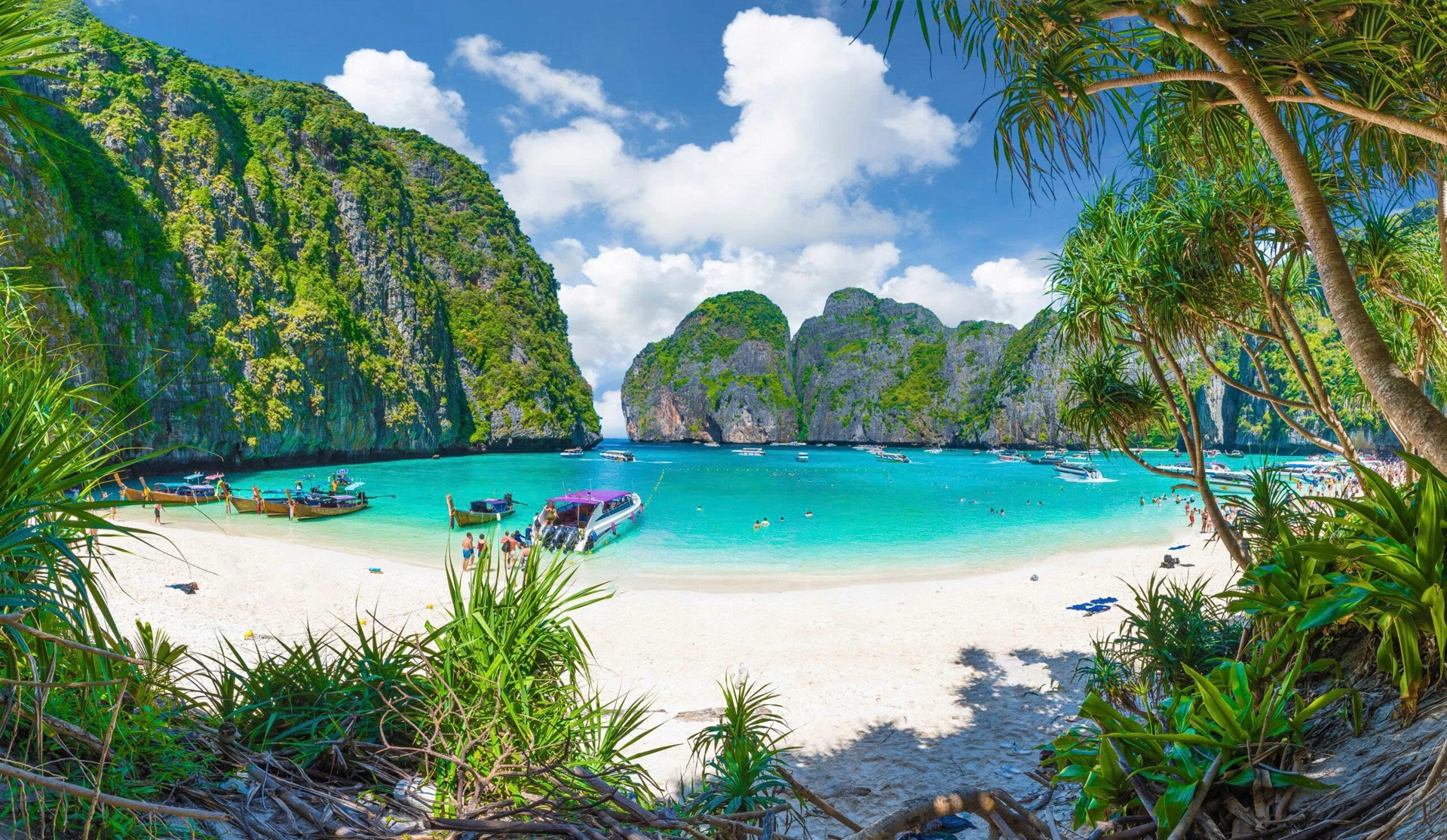
Coastal Resilience: A Guide to Ban Talae Nok Homestay and Sustainable Travel on the Andaman Coast
Nestled on the quiet shores of the North Andaman Coast, Ban Talae Nok is a Muslim fishing village that offers a profound look at coastal life and resilience. Following the 2004 tsunami, this community rebuilt itself with a focus on collective strength and ecological preservation. Activities include batik making, traditional fishing, and mangrove forest tours, with the village managing tourism as a collective to ensure benefits are shared across all households. Engaging with sustainable travel in Phang Nga through this homestay is an act of supporting a community that has turned tragedy into a blueprint for regenerative tourism.
I remember walking along the golden sands of Ban Talae Nok just as the fishing boats were returning at dawn. The air was salty and filled with the scent of woodsmoke from breakfast fires. A local elder, Uncle Mad, pointed to the mangrove line that had saved part of the village years ago. “The trees are our family,” he said. “They protect us, so we protect them.” In my years of reporting on community resilience, Ban Talae Nok stands out because it isn’t a performance for visitors; it is an invitation to join the daily rhythm of a community that lives in complete harmony with the sea.
Why Sustainable Travel on the Andaman Coast Should Be on Your List Right Now
As Thailand moves toward its “Thailand Tourism Next 2026” goals, the focus has shifted toward “Regional Income Distribution” and “Circular Economy” measures to spread activity across regions. The North Andaman coast, spanning Phang Nga and Ranong, is the focus of these efforts, moving away from mass-market crowds toward meaningful engagement with Thai identity.
Ban Talae Nok is a lighthouse for this movement. While many coastal areas have been developed into high-density resorts, this village has maintained its small-scale, community-led model. By visiting, you are participating in a “Blue Economy” initiative that protects the RAMSAR-designated wetlands and supports traditional livelihoods. As conscious travelers increasingly seek out “soul-satisfying escapes” instead of “overtourism hotspots,” Ban Talae Nok offers a way to experience the Andaman Sea as it was meant to be—tranquil, authentic, and regenerative.
Best Time to Visit & Practical Planning Tips
To experience the best of coastal life, timing is essential.
- When to Go: The best time for sustainable travel in Phang Nga is from mid-October to mid-May. This is when the seas are calm and the mangrove channels are easily accessible.
- Weather: During the monsoon season (June–September), boat activities are limited, but the community still welcomes guests for batik workshops and inland tours.
- Getting There: The village is accessible via Kuraburi. For a sustainable arrival, use shared transport options from Phuket or Ranong, or arrange a transfer through the Tour in Thailand platform to ensure the revenue stays local.
- Sample Budgets:
Top 5 Must-Experience Highlights at Ban Talae Nok
1. Hands-on Batik Dyeing Workshop
Learn the intricate art of wax-resist dyeing from the village’s women-led cooperative. You’ll create your own “Must Buy” textile using patterns inspired by the local marine life.
2. Guided Mangrove Kayak Exploration
Paddle through the dense mangrove forests that fringe the village. Your local guide will point out monitor lizards and exotic birds while explaining the role of mangroves as “blue carbon” sinks.
3. Traditional Fishing and Crab Catching
Join a local fisherman on a longtail boat to learn small-scale fishing techniques. You might try your hand at catching “voy vai” (mini octopus) or releasing berried female crabs back to nature.
4. Coastal Barbecue Dinner
Enjoy a feast of freshly caught seafood grilled over coconut husks on the beach. It is a “Must Taste” experience that reflects the village’s zero-waste culinary traditions.
5. Tsunami Resilience Walking Tour
Listen to the stories of community members who survived the 2004 tsunami and learn how the village used traditional knowledge to rebuild sustainably.
Detailed 3-Day “Andaman Resilience” Itinerary
Day 1: The Warm Welcome
- 10:30 AM: Arrive at Ban Talae Nok; welcome drink of fresh coconut water.
- 11:30 AM: Walking tour of the village and the tsunami memorial sites.
- 01:00 PM: “Must Taste” lunch of spicy southern curry and organic greens.
- 03:00 PM: Batik making workshop—design your own sarong.
- 06:30 PM: Traditional dinner with your host family.
- Cost: Part of homestay package.
Day 2: The Blue Economy
- 08:30 AM: Longtail boat trip to the undeveloped Gam Islands for snorkeling.
- 12:30 PM: Picnic lunch on a deserted beach using biodegradable containers.
- 03:00 PM: Mangrove reforestation activity—plant a seedling to protect the coast.
- 05:30 PM: Crab release activity at the village pier.
- Cost: Part of homestay package.
Day 3: Impact and Reflection
- 09:00 AM: Visit the village “Trash to Treasure” center to see upcycled marine waste.
- 11:30 AM: Community Voting: Use the Tour in Thailand app to vote for the next youth scholarship or mangrove patrol project funded by the Environmental Fund.
- Cost: ~500 THB for extra workshops.
Where to Stay: Best Eco-Friendly & Authentic Accommodations
- Authentic Choice: Ban Talae Nok Homestays: Stay in traditional stilted houses. Your stay supports local hospitality training and ensures 100% of revenue stays in the village.
- Eco-Luxe Base: Kiri Private Reserve (Regional Partner): While on Koh Kood, they partner with Andaman communities for exchange programs on zero-waste and sustainable stays.
- Sustainable Base: Anurak Community Lodge (Khao Sok): An award-winning eco-resort that serves as a perfect stopover before heading to the coast.
Food & Local Cuisine Guide: Tasting the Tides
In Ban Talae Nok, the sea is the kitchen.
- Must-Try Dish: Gaeng Som (Sour Spicy Curry) made with the catch of the day and locally grown turmeric.
- The “Must Taste” Snack: Freshly made Khanom Jak (grilled sweet coconut in palm leaves).
- Etiquette: This is a Muslim community. Avoid bringing alcohol or pork into the village. Dress modestly (shoulders and knees covered) when in public areas.
Sustainable & Responsible Travel Tips
- Respect the Faith: Always ask before taking photos near the mosque or of residents in prayer.
- No Plastic on the Beach: The community runs a “No Foam, No Plastic” initiative. Carry a reusable bottle; the homestays provide filtered water refills.
- Support Local Makers: Buy a batik handbag or a jar of traditional shrimp paste directly from the village cooperative.
- Support the Fund: A portion of your booking goes to the Thailand Environmental Fund. Don’t forget to vote on the platform for local coastal protection projects.
Packing List & What to Know Before You Go
- Modest Swimwear: Wear a T-shirt and shorts over your swimsuit to respect local customs.
- Sun & Bug Protection: Reef-safe sunscreen and natural insect repellent are essential.
- Dry Bag: Essential for boat trips and keeping your electronics safe during the monsoon.
- Cash: While PromptPay is growing, small-scale boatmen and artisans prefer cash for small transactions.
FAQ
Is Ban Talae Nok safe for solo female travelers?
Extremely. The community is very welcoming and has a dedicated tourism committee that ensures the safety and comfort of all guests.
Do I need to speak Thai?
Most homestay families speak basic English, and your package usually includes a bilingual translator from Andaman Discoveries to facilitate deeper cultural exchange.
How much of my money goes to the community?
Under the Tour in Thailand model, over 70% of the booking fee remains in the village, with an additional percentage flowing into the transparent Thailand Environmental Fund.
Conclusion: A Future Built on Stewardship
Visiting Ban Talae Nok is an invitation to see the Andaman Coast with new eyes. It’s an acknowledgment that the “Soft Power” of a nation isn’t found in its resorts, but in its resilience and its heart. By choosing sustainable travel in Phang Nga, you aren’t just a visitor; you are a partner in the preservation of Thailand’s coastal identity. You’ll leave the village not just with a batik scarf, but with the wisdom needed to travel responsibly into the future.
Ready to support coastal resilience? Book your Ban Talae Nok experience today and cast your vote for local mangrove protection!

Comment (0)