
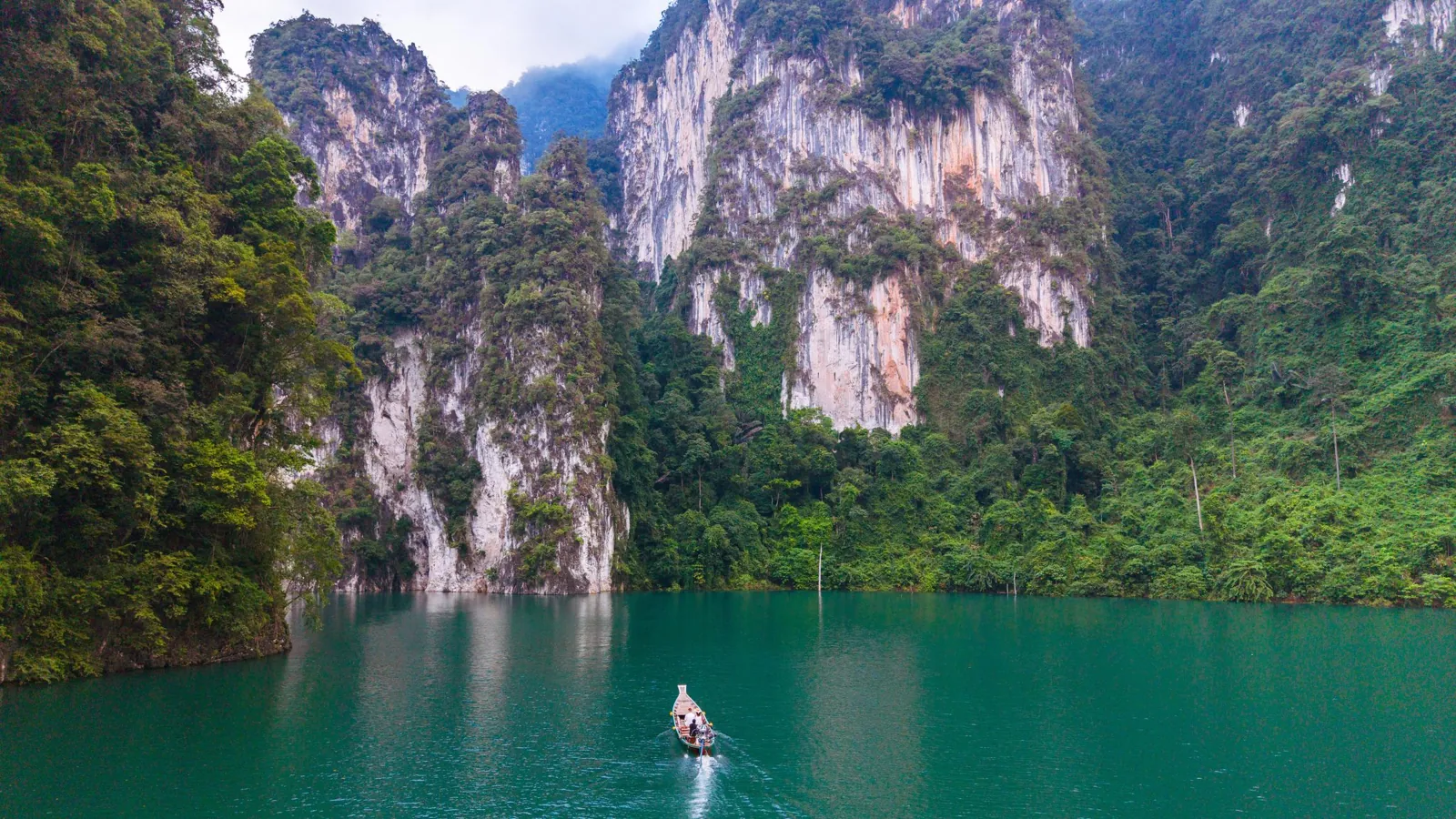
The Junction of Cultures: A Guide to Laem Sak Eco-Tourism and Sustainable Travel in Krabi
Located in the Ao Luek district, Laem Sak is a quiet coastal community where three distinct cultures—Buddhist, Muslim, and Hokkien Chinese—have lived side-by-side in harmony for generations. This “green tourism prototype” city is a highlight of sustainable travel in Krabi, offering experiences that range from kayaking through prehistoric cave paintings to visiting sea-grape farms. By choosing Laem Sak eco-tourism, you are directly supporting the “Circular Economy” of this multicultural cape and participating in a model of regenerative tourism that honors the “Soft Power” of Thailand’s southern diversity.
I remember standing at the panoramic viewpoint of Wat Laem Sak, where the limestone karsts of Phang Nga Bay stretch toward the horizon. My guide, Khun Somsak, pointed out the roofs of the Chinese shrine, the mosque, and the temple, all within walking distance of each other. “In Laem Sak, we don’t have borders, only shared tides,” he said. In my decade of reporting on cultural coexistence, Laem Sak stands out as a “Must Seek” destination because it isn’t a performance—it is a living example of how diversity can be the foundation of a sustainable community.
Why Laem Sak Eco-Tourism Should Be on Your List Right Now
As Thailand moves toward its 2026 goals under the Thailand Tourism Next framework, Laem Sak has been designated as a flagship for “Fascinating Experiences” and regional income distribution. The community is a core case study for the “Krabi Prototype,” proving that tourism can protect ecosystems while revitalizing local traditions.
By participating in Laem Sak eco-tourism, you are supporting a “Blue Economy” model that preserves the mangrove forests and monitors the health of the local reefs. The revenue generated from your visit stays within the 10-village cooperative, ensuring that the next generation sees the value in protecting their shared heritage. Furthermore, every booking contributes to the Thailand Environmental Fund, currently financing the planting of local Paphiopedilum exul orchids in the surrounding forest.
Best Time to Visit & Practical Planning Tips
To enjoy the calmest waters and most vibrant culture, strategy is key.
- Weather & Seasons: The Andaman dry season (November to April) offers the clearest skies and best kayaking conditions. However, because the bay is protected by limestone islands, Laem Sak is a year-round destination where “Green Season” rains bring dramatic mist to the cliffs.
- Logistics: Laem Sak is an hour’s drive north of Krabi Town or Ao Nang. For a sustainable arrival, book an electric shuttle via the Tour in Thailand platform or use a shared “Green Logistics” minivan.
- Sample Daily Budgets:
Top 5 Must-Experience Highlights in Laem Sak
1. Three Cultures Walking Tour
Visit the Sok Po Si Aey Chinese Shrine, the Solahuddin Mosque, and Wat Maha Tat Laem Sak in a single morning. You’ll learn the history of how these communities migrated and merged during the Rattanakosin period.
2. Sea-Grape “Green Caviar” Farm
Visit a local farm to see how villagers cultivate sea grapes—a highly nutritious marine plant. You can sample them fresh from the water, a “Must Taste” example of sustainable aquaculture.
3. Kayaking to Prehistoric Cave Paintings
Paddle through the emerald channels to discover ancient rock art hidden in the limestone cliffs. These paintings are part of Thailand’s “Intangible Cultural Heritage” and offer a window into the region’s prehistoric maritime life.
4. Traditional Shrimp Paste Workshop
Learn the meticulous process of making Kapi (shrimp paste) from fresh krill. This activity supports the livelihoods of local fishing families and preserves a core ingredient of southern Thai gastronomy.
5. Planting Local Orchids (CSR)
Participate in the community’s reforestation program by planting the rare Paphiopedilum exul orchid in the Khao Chang Mob forest. It’s a hands-on way to contribute to the “Life on Land” (SDG 15) goal.
Detailed 3-Day “Three Cultures” Itinerary
Day 1: The Cultural Tapestry
- 09:30 AM: Arrive at Laem Sak; welcome drink of local herbal tea.
- 10:30 AM: Guided walking tour of the temple, mosque, and shrine.
- 12:30 PM: “Sustainable Gastronomy” lunch featuring Pla Jook Krueng (spice-stuffed fish).
- 02:30 PM: Traditional dessert-making workshop—learn to make Khanom Chak in palm leaves.
- 06:30 PM: Dinner with a local host family.
- Cost: Part of homestay package.
Day 2: The Blue Economy
- 08:30 AM: Kayaking safari to see prehistoric cave paintings and mangroves.
- 12:30 PM: Picnic lunch at a hidden beach using zero-waste containers.
- 02:30 PM: Visit the sea-grape farm and learn about sustainable marine sourcing.
- 05:30 PM: Community storytelling session with village elders.
- Cost: Part of homestay package.
Day 3: Impact and Giving Back
- 09:00 AM: Participate in the orchid-planting CSR activity at Khao Chang Mob.
- 11:30 AM: Community Voting: Use the Tour in Thailand app to vote for the next reef restoration or youth language program.
- Cost: ~500 THB for workshops.
Where to Stay: Best Eco-Friendly & Authentic Accommodations
- Authentic Choice: Bulan Anda Baba Resort: A community-partnered resort designed in the Sino-Portuguese style that reflects the island’s Baba-Nyonya heritage. They prioritize zero-waste and local hiring.
- Eco-Luxe Base: Kiri Private Reserve (Regional Partner): A SHA Plus certified retreat that emphasizes high-value, low-impact models and partners with Laem Sak for sustainable seafood sourcing.
- Sustainable Base: Anurak Community Lodge (Khao Sok): An award-winning eco-resort that serves as a perfect stopover before heading to the coast.
Food & Local Cuisine Guide: The Flavors of Coexistence
Eating in Laem Sak is a lesson in cultural fusion.
- Must-Try Dish: Kao-Kluk Ka-pi (Shrimp paste rice) made with local planktonic farmed shrimp.
- Unique Treat: Ko Sui (brown sugar rice cakes) flavored with pandan juice and topped with organic coconut.
- Etiquette: When visiting the Muslim community, please avoid bringing alcohol or pork. Dress modestly (shoulders and knees covered) to respect local traditions.
Sustainable & Responsible Travel Tips
- Respect the Faith: Always ask before taking photos near the mosque or of residents in prayer.
- No Plastic on the Water: Thailand has a “No Foam, No Plastic” policy for all marine parks. Carry a reusable bottle; the community provides water refill stations.
- Mind the Corals: When kayaking, never touch or step on the reef. Follow the “Green Fins” standard for responsible ocean use.
- Support the Fund: A portion of your booking fee goes to the Thailand Environmental Fund. Don’t forget to vote on the platform for local water management projects.
Packing List & What to Know Before You Go
- Quick-Dry Clothing: Essential for kayaking and the tropical humidity.
- Sun & Bug Protection: Reef-safe sunscreen and natural citronella-based insect repellent.
- Dry Bag: Essential for boat trips to protect your camera and phone.
- Learning Mindset: Learn a few basic Thai-Chinese or Muslim greetings to build a quick connection with your hosts.
FAQ
Is kayaking at Laem Sak better than at Ao Nang?
If you want more tranquility and fewer crowds, Laem Sak is far superior. The bay is sheltered, making it safer for beginners and families year-round.
Can I visit the Chinese shrine and Mosque as a foreigner?
Yes! The community is very welcoming. Just ensure you are dressed respectfully and remove your shoes before entering any sacred space.
How much of my money goes to the community?
Under the Tour in Thailand model, over 70% of the booking fee remains within the local 10-village cooperative.
Conclusion: Reclaiming the Soul of Krabi
Choosing Laem Sak eco-tourism is an act of supporting a Krabi that is as culturally rich as it is naturally beautiful. It is a way to say that the value of a destination isn’t in its nightlife, but in its stories and its stewardship. By walking the junction of cultures, you aren’t just a visitor; you are a partner in the preservation of Thailand’s southern heritage. You’ll leave the cape not just with a batik scarf, but with the peace of mind that comes from knowing your journey helped keep the harmony of Laem Sak alive.
Ready to find your cultural connection? Book your Laem Sak adventure today and cast your vote for local heritage preservation!

Comment (0)