
Wisdom of the Kingdom: A Guide to the Rattanakosin Exhibition Hall and Responsible Cultural Tourism in Bangkok
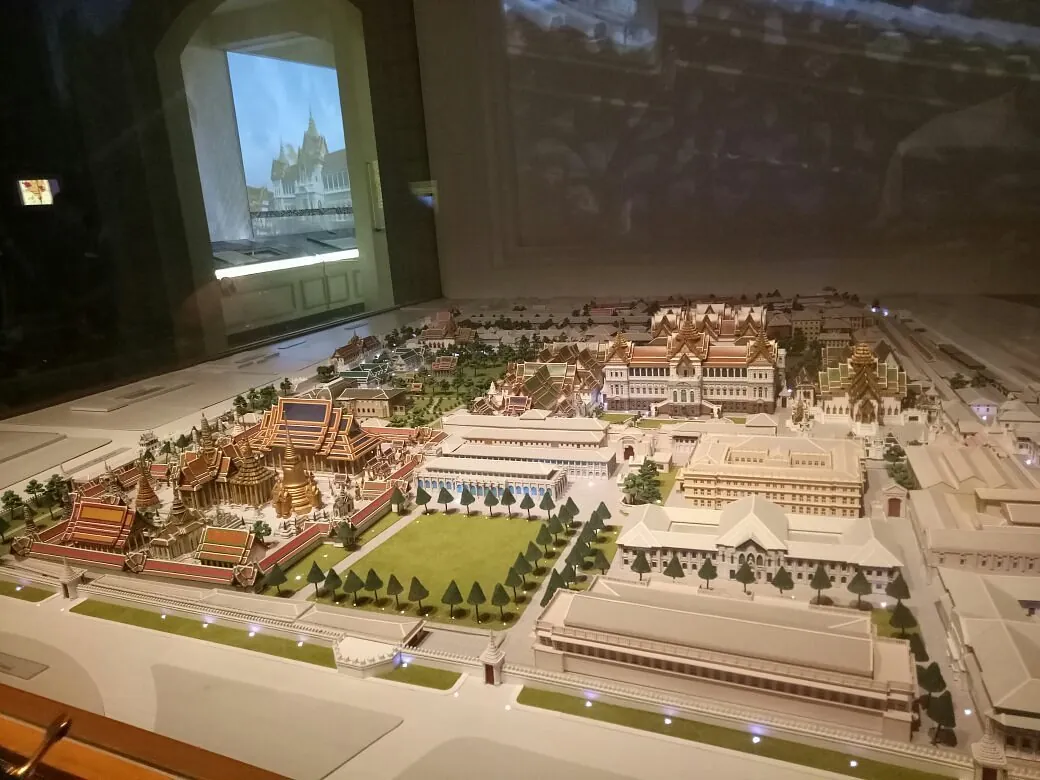
This museum uses interactive technology to teach the history of the Thai kingdom responsibly. It serves as an educational foundation for understanding the cultural significance of the Grand Palace and surrounding shrines. Engaging with the Rattanakosin Exhibition Hall cultural learning experience is more than just a history lesson; it is an act of cultural tourism in Bangkok that honors the “Soft Power” of the nation while promoting a “Value over Volume” approach to sightseeing. By starting your journey here, you gain the context needed to visit sacred sites with the respect and understanding they deserve.
I remember the first time I stood in the “Grandeur of the Great Chakri Dynasty” room. The floor-to-ceiling panoramic screens didn’t just show images of the past; they transported me into the heart of a royal procession. In my fifteen years of covering Southeast Asian heritage, I’ve found that travelers often rush into temples without understanding the philosophy behind the architecture. At the Rattanakosin Exhibition Hall, a local guide—trained in the “Fascinating Experience” framework—shared a secret with me: “We don’t want you to just look at our history; we want you to feel the resilience of the Thai spirit.” This museum is the antidote to the “check-in” style of tourism, turning a simple visit into a transformative educational journey.
Why Cultural Tourism in Bangkok Should Be on Your List Right Now
Bangkok’s historic district, Rattanakosin Island, is undergoing a profound “Green Transformation.” Under the national “Thailand Tourism Next 2026” strategy, the focus has shifted toward the “Sub-Culture Economy” and the preservation of intangible heritage. The goal is to move away from mass-market crowds and toward meaningful engagement with Thai identity.
The Rattanakosin Exhibition Hall is the lighthouse for this movement. While many traditional museums struggle with static displays, this hall utilizes state-of-the-art interactive technology to reduce the physical impact on the district’s historical documents and artifacts. By visiting, you are participating in a “Circular Economy” model where your ticket fee supports local heritage conservators and community-led restoration projects within the Old City. As global travelers increasingly prioritize “Conscious Travel,” this site offers a way to explore the kingdom’s history without the environmental footprint of heavy infrastructure.
Best Time to Visit & Practical Planning Tips
To experience the hall without the school-group rush, strategy is essential.
- When to Go: The hall is open Tuesday to Sunday (Closed on Mondays). Aim for the 10:00 AM slot on a weekday. The guided tours run every 20 minutes, and the experience is strictly capacity-controlled to ensure a peaceful atmosphere.
- Weather: Being fully air-conditioned, this is the perfect mid-day refuge during the hot season (March–May).
- Getting There: Skip the traffic. Take the MRT Blue Line to Sam Yot Station. From there, it’s a 10-minute walk through the historic Rommaninat Park. Alternatively, use a “Green Logistics” option like an electric Tuk-Tuk from the nearby Phra Nakhon hubs.
- Sample Budgets:
Top 5 Must-Experience Highlights at Rattanakosin Exhibition Hall
1. The Grandeur of the Great Chakri Dynasty
Experience a 360-degree digital immersion into the history of the current royal house. This room explains the “Soft Power” of the monarchy and its role in modern Thai development, providing essential context for your visit to the Grand Palace.
2. The Sight-Seeing Tour Room
A high-tech mock-up of an old tram takes you on a digital ride through the historical landmarks of Rattanakosin Island. It teaches you which sites are “Must See” and how to visit them without contributing to over-tourism.
3. The Traditional Thai Arts and Entertainment
Learn about the UNESCO-listed Khon (masked dance) and Hoon Lakorn Lek (puppetry). The interactive stations allow you to try the movements yourself, supporting the preservation of “Intangible Cultural Heritage.”
4. The Lifestyles of the Riverine People
This section recreates the old canals (Khlongs) of Bangkok. It highlights the importance of the “Blue Economy” and the current efforts to restore the city’s waterways under the “Green Bangkok 2030” project.
5. The Rooftop Library and Viewpoint
After the tour, head to the fourth floor. The viewpoint offers the best panoramic shot of the Loha Prasat (Metal Castle) and the Golden Mount—without the crowds. It’s a prime spot for “Forest Bathing” your eyes on the city’s green canopies.
Detailed 2-Day “Old City Wisdom” Itinerary
Day 1: The Foundations of the Kingdom
- 09:30 AM: Arrive at Rattanakosin Exhibition Hall via MRT Sam Yot.
- 10:00 AM: Full 2-hour guided tour of the nine exhibition rooms.
- 12:30 PM: “Sustainable Gastronomy” lunch at a nearby riverside café—try the Phad Thai made with local farm ingredients.
- 02:30 PM: Visit the Loha Prasat (Wat Ratchanatdaram) across the street to see the architecture discussed in the museum.
- 04:30 PM: Sunset walk to the Golden Mount (Wat Saket) for a panoramic view of the Old City.
- Cost: ~800 THB.
Day 2: Crafts and Communities
- 09:00 AM: Join a “Local Alike” walking tour of the nearby Ban Bat community, where the last remaining artisans make monk bowls by hand.
- 12:00 PM: Community lunch with a host family in the Pom Prap Sattru Phai district.
- 02:00 PM: Visit the Museum of Siam (a sister site) to see the evolution of “Thai-ness.”
- 04:00 PM: Community Voting: Use the Tour in Thailand app to vote for a local heritage restoration project in the Phra Nakhon district.
- Cost: ~1,800 THB.
Where to Stay: Best Eco-Friendly & Authentic Accommodations
- Luxury: The Raweekanlaya Bangkok: A restored 19th-century manor that prioritizes zero-waste and organic gardening.
- Mid-Range: Riva Surya Bangkok: An SHA Plus certified riverside hotel that uses renewable energy and supports local waste management initiatives.
- Budget: Inn A Day: A boutique stay in a converted coconut sugar warehouse. It uses upcycled materials and is located within walking distance of all major Rattanakosin sites, reducing your carbon footprint.
Food & Local Cuisine Guide: Tasting History
The area around the hall is a “Must Taste” destination for authentic royal and street food.
- Must-Try Dish: Khao Chae (Rice in scented water). This seasonal royal dish is the ultimate example of “Life Economy” wellness food—cooling, light, and intricately prepared.
- Street Food Gem: Khanom Bueang (Thai crepes) from the vendors near the Giant Swing. Look for those using traditional recipes and avoiding plastic packaging.
- Etiquette: When dining in the historic district, always look for the “Thailand Good Travel” mark, certifying that the restaurant supports local farmers and manages waste responsibly.
Sustainable & Responsible Travel Tips
- Respect the Story: The exhibition hall is a place of learning. Keep your phone on silent and engage with the digital displays to understand the “Soft Power” of the kingdom.
- Minimize Your Footprint: Use the water refill stations located throughout the museum and avoid buying single-use plastic bottles from street vendors.
- Support the Fund: When you book your Rattanakosin experience through the platform, a portion of the fee goes to the Thailand Environmental Fund. Don’t forget to cast your vote on which forest or heritage project should receive funding.
- Dressing for Respect: Although it’s a museum, it’s located on sacred royal grounds. Ensure your shoulders and knees are covered as a sign of respect for the culture.
Packing List & What to Know Before You Go
- Comfortable Walking Shoes: You’ll be exploring the “Green Paths” of the Old City after your museum visit.
- Light Sweater: The museum’s air-conditioning can be quite cold—a necessary evil for preserving digital equipment!
- Reusable Kit: A cloth bag for souvenirs and a sturdy water bottle.
- Digital Prep: Download the Tour in Thailand app to access the AI-powered chatbot that provides real-time historical facts about the surrounding landmarks.
Frequently Asked Questions (FAQ)
Do I need to book in advance?
While walk-ins are allowed, we highly recommend booking via the Tour in Thailand marketplace to secure your preferred tour time and contribute to the community fund.
Is the museum child-friendly?
Yes! The interactive digital displays and mock-up tram ride make it one of the most engaging museums for children in Bangkok. It’s a great place for “Nature-Based Learning” through digital storytelling.
Is it accessible for travelers with mobility issues?
The hall is fully equipped with elevators and ramps. Operators like Tripseed can arrange specialized accessible tours to ensure everyone can enjoy the heritage of the kingdom.
Conclusion: A Journey of Understanding
Visiting the Rattanakosin Exhibition Hall is an invitation to see Bangkok with new eyes. It’s an acknowledgment that the “Soft Power” of a nation isn’t found in its skyscrapers, but in its history and its heart. By choosing this cultural tourism in Bangkok experience, you aren’t just a visitor; you are a partner in the preservation of Thailand’s identity. You’ll leave the hall not just with a sense of the past, but with the wisdom needed to travel responsibly into the future.
Ready to uncover the heart of the kingdom? Book your Rattanakosin learning experience today and cast your vote for local heritage preservation!

Comment (0)