Pakad Festival Chiang Rai August 2026 Travel Guide
Learn how to safely experience Chiang Rai’s Pakad festival in August 2026, with transport tips, timing, and health precautions.
Title: Pakad Festival Chiang Rai August 2026 Travel Guide
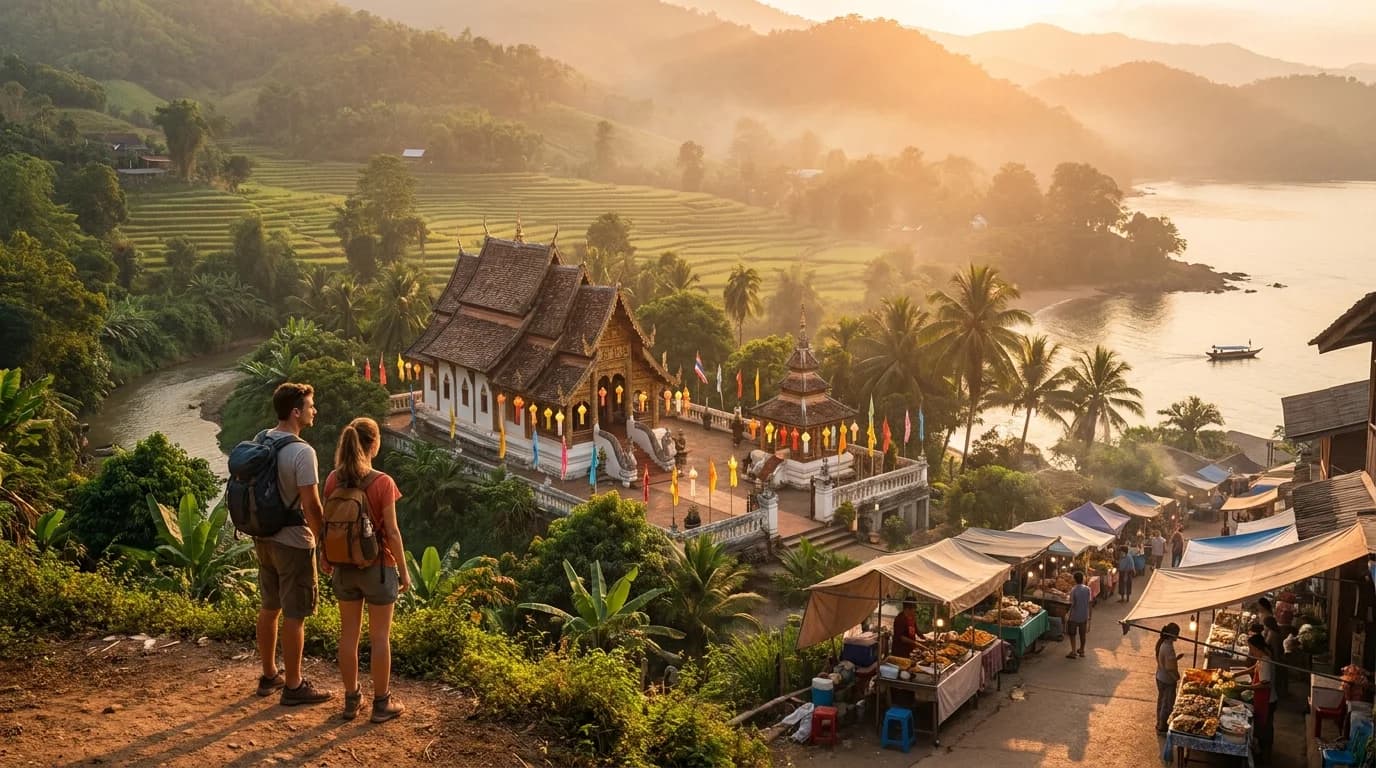
The Pakad festival in Chiang Rai returns for its second year from July 24 to August 2, 2026, transforming the historic Chiang Rai City Municipality Fresh Market 1 into a nightly showcase of Lanna art, live music, and regional food. Source: [Pakad: [Pakad Year 2 brings Chiang Rai’s Grand Market to Life](https://www.chi Year 2 brings Chiang Rai’s Grand Market to Life](https://www.chiangraitimes.com/news/chiang-rai/pakad-year-2-chiang-rai). At the same time, Thailand’s Department of Disease Control has issued an urgent warning about a surge in bacterial infections linked to the rainy season, with over 100 deaths reported nationwide. Source: Thailand DDC Issues Urgent Warning as Rainy Season Bacterial Infections Claim Over 100 Lives. For travelers who want to experience the festival without compromising safety, the combination of precise event dates and clear health guidance creates a concrete planning window. This guide enables you to book transport, choose accommodation, and structure your days around the festival while following proven precautions against water‑borne illness. Who this is for: independent travelers interested in cultural festivals, comfortable navigating Thailand’s transport network, and willing to adopt simple health measures such as drinking bottled water and avoiding raw street food. The primary keyword — Pakad festival Chiang Rai — appears here to signal the focus of the following steps.
Why It Matters Right Now
The festival’s second edition is scheduled for a fixed window in late July and early August 2026, a period that coincides with the peak of the southwest monsoon. Source: August 2026 Event and Calendar. Because the dates are set months in advance, travelers can lock in flights and accommodation now, avoiding last‑minute price spikes or sold‑out options. Simultaneously, the DDC’s urgent health warning is tied to the current rainy season, meaning the risk of bacterial infection is elevated right now. Source: Thailand DDC Issues Urgent Warning as Rainy Season Bacterial Infections Claim Over 100 Lives. Acting today lets you incorporate the latest health advice into your packing list and itinerary, rather than reacting after an outbreak spreads. The combination of a time‑bound cultural event and a season‑specific health advisory creates a narrow but actionable window: you can enjoy the Pakad festival while the weather is still warm enough for evening market walks, yet you have concrete steps to stay safe. Delaying until September would mean missing the festival entirely and facing a different set of monsoon‑related challenges.
Concrete planning details: Based on historical data, a round‑trip flight from Bangkok’s Don Mueang to Chiang Rai in late July typically costs between 1,200 THB ($35) and 2,500 THB ($70) if booked 6–8 weeks ahead; last‑minute fares can jump 40–60%. A nightly stay in a guesthouse within walking distance of Fresh Market 1 averages 800 THB ($22) for a fan room or 1,300 THB ($36) for air‑conditioned, private‑bathroom options. Monsoon rainfall in Chiang Rai during late July averages 180 mm, with daytime highs around 31 °C and evenings cooling to 24 °C—comfortable for market strolls if you stay dry.
The Play: Step-by-Step
- Verify the exact festival schedule and any last‑minute changes. Why: The Pakad program may shift due to weather or logistics. Tool: Check the Chiang Rai Times events page and the official Tourism Authority of Thailand August 2026 calendar. Action: Open the two links, note the daily program, and save a screenshot or PDF for offline reference.
- Review the current DDC health advisory for rainy season bacterial infections. Why: The advisory outlines specific precautions that reduce risk of illness. Tool: Visit the DDC website or the Chiang Rai Times health news article. Action: Read the bullet points on water safety, food handling, and symptom recognition, then write a short checklist.
- Choose and book your transport to Chiang Rai. Why: Early booking secures preferred departure times and gives you flexibility to adjust if health advice changes. Tool: Use flight search engines (e.g., Skyscanner, Google Flights) or bus booking platforms (e.g., Bangkok Bus Ticket). Action: Look for round‑trip options from Bangkok’s Don Mueang or Suvarnabhumi airports to Chiang Rai International Airport, or consider the northern line train from Bangkok Hua Lamphong to Chiang Rai station. Record the departure and arrival times that align with the festival dates.
Typical options: Direct flights with Nok Air or Thai AirAsia depart Don Mueang at 08:10 and arrive Chiang Rai at 09:40 (flight time ~1h 30m); return flights leave Chiang Rai at 17:20 and land in Bangkok at 18:50. Prices for these flights booked in early June 2026 range from 1,150 THB to 2,300 THB round‑trip. The Green Bus Company offers VIP 24‑seat coaches from Bangkok’s Mo Chit terminal to Chiang Rai departing at 20:00 and arriving at 08:00 next day; fare is about 620 THB one‑way. The State Railway of Thailand’s northern line train leaves Hua Lamphong at 19:45, reaches Chiang Rai at 09:30 the following morning; second‑class sleeper costs roughly 820 THB.
- Reserve accommodation within walking distance of the fresh market. Why: Staying close reduces nightly transport needs and lets you return quickly if you feel unwell. Tool: Search on booking sites (Agoda, Booking.com) for guesthouses or hotels in Chiang Rai’s old town, filtering for “free cancellation” and “Wi‑Fi”. Action: Book a room with private bathroom and air conditioning for the nights of July 24–August 2, noting the cancellation policy.
Concrete examples: The Baan Thai Guesthouse (0.3 km from Fresh Market 1) offers a fan room with private bathroom for 750 THB/night, free cancellation until 24 hours before check‑in. The Rai Phuang Hotel (0.5 km) provides an air‑conditioned room with hot shower for 1,350 THB/night, free cancellation up to 48 hours prior. Both include Wi‑Fi and are reachable on foot in under 7 minutes.
- Build a daily itinerary around the festival’s core events and nearby attractions. Why: A structured plan helps you maximize cultural exposure while avoiding overexertion in humid conditions. Tool: Use a simple spreadsheet or notes app to map morning, afternoon, and evening blocks. Action: Allocate mornings to visit the White Temple (Wat Rong Khun) or the Blue Temple (Wat Rong Suea Ten), afternoons to the fresh market for Pakad exhibitions, and evenings to the market’s night‑time performances and food stalls.
Sample timing: Wat Rong Khun opens 08:00–18:00; allocate 08:30–11:30 for a visit (including travel time ~15 min each way). Pakad exhibitions run 12:00–22:00 daily; plan to be at the market from 12:30 to 16:30 for lunch and browsing, then return after an early dinner for the evening program 18:30–22:00.
- Prepare a health kit and follow on‑ground precautions. Why: Even with advance planning, exposure to contaminated water or food can happen. Tool: Pack items listed in the DDC advisory. Action: Include sealed bottled water, water purification tablets, alcohol‑based hand sanitizer, oral rehydration salts, and a basic diarrhea treatment. Upon arrival, drink only bottled or treated water, avoid ice unless you know it’s made from safe water, eat freshly cooked food, and wash hands before each meal.
Kit cost estimate: 500 ml bottled water (10 THB each) × 6 = 60 THB; water purification tablets (pack of 10) = 45 THB; hand sanitizer (50 ml) = 35 THB; oral rehydration salts (10 sachets) = 50 THB; anti‑diarrheal tablets (loperamide) = 40 THB. Total ≈ 230 THB (~$6.5).
Real-World Example
Here is what this looks like in practice: Alex, a freelance photographer from Toronto, decides to attend the Pakad festival after seeing the announcement in the Chiang Rai Times. He first checks the festival schedule on the Chiang Rai Times website and confirms the July 24–August 2 dates, saving the daily program to his phone. Next, he reads the DDC health advisory and creates a checklist that includes bottled water, hand sanitizer, and oral rehydration salts. Alex then searches for flights on Google Flights, finds a round‑trip from Toronto to Bangkok with a connecting flight to Chiang Rai, and books a departure on July 22 and a return on August 4 to allow buffer days. He reserves a guesthouse in Chiang Rai’s old town that offers free cancellation and is within a five‑minute walk of the fresh market, noting the check‑in and check‑out dates. Using a notes app, Alex outlines his days: mornings for temple visits, afternoons for exploring the Pakad exhibitions and market stalls, and evenings for the live music performances and food vendors. He packs his health kit, adds a reusable water filter bottle, and upon arrival drinks only bottled water, avoids ice in beverages, and eats freshly cooked dishes from market stalls that are served hot. Throughout his stay, Alex follows the hand‑washing routine before each meal and uses sanitizer after touching shared surfaces. He experiences the festival’s nightly light shows, enjoys traditional dance performances, and purchases hand‑woven scarves directly from artisans. By the end of his trip, Alex reports no gastrointestinal issues and feels he has safely enjoyed the cultural highlight. A realistic starting target is to allocate at least three full days for the festival core events, based on the workflow described.
Concrete numbers for Alex’s trip: Flight Toronto (YYZ) → Bangkok (BKK) on Air Canada, departing July 22 22:30, arriving July 23 15:45 (+1) – cost ≈ 1,200 CAD (~30,000 THB). Connecting Bangkok → Chiang Rai on Thai AirAsia, departing July 23 18:00, arriving 19:30 – cost ≈ 1,800 THB. Return Chiang Rai → Bangkok on Nok Air, departing August 4 07:00, arriving 08:30 – cost ≈ 1,600 THB; Bangkok → Toronto on same Air Canada flight, departing August 5 00:10, arriving August 5 16:45 – cost ≈ 1,200 CAD. Total airfare ≈ 35,000 THB. Guesthouse (Baan Thai) at 750 THB/night for 10 nights = 7,500 THB. Local transport (songthaews, occasional tuk‑tuk) ≈ 300 THB. Food and market purchases ≈ 400 THB/day × 10 = 4,000 THB. Health kit ≈ 230 THB. Estimated total budget ≈ 48,000 THB (~$1,350).
Caveats
This approach works best for travelers who are comfortable with basic self‑care measures and can adjust plans if health advice changes. It may not suit individuals with compromised immune systems, severe allergies, or those who require constant medical supervision, as the rainy season increases exposure risks beyond what personal precautions can fully mitigate. The sources provide the festival dates and a general health warning but do not detail hour‑by‑hour event schedules, which could shift due to weather or logistical issues; relying solely on the published program without checking for updates close to travel dates could lead to missed activities. Additionally, the DDC advisory focuses on bacterial infections but does not cover vector‑borne diseases like dengue, which also rise during the monsoon, so travelers should consider extra mosquito protection. Finally, booking non‑refundable transport or accommodation too far in advance carries the risk of losing money if a sudden outbreak leads to travel restrictions; selecting flexible rates whenever possible reduces this vulnerability.
Action Items
- Check the official Pakad festival schedule on the Chiang Rai Times website and note the July 24–August 2, 2026 dates.
- Review the latest DDC health advisory for rainy season bacterial infections and pack the recommended protective items.
- Book round‑trip transport to Chiang Rai for travel dates that avoid peak rain periods and confirm accommodation within walking distance of the fresh market.
For more practical travel tips on Thailand, sign up for the newsletter at /newsletter.
Ready to explore Thailand?
Browse tours and activities, or tell us what you're looking for and we'll suggest the best options.
Stay Connected in Thailand
Airalo eSIMs work on arrival — no physical SIM needed. Data plans from $5 for 7 days.
Travel Insurance for Thailand
Medical, trip cancellation, and adventure sports covered. Plans from $1.5/day.